Montenegro may be one of the last affordable places to enjoy a Mediterranean retirement before EU membership begins to reshape the market. After living in Montenegro’s northern neighbor, Croatia, for five years, I’ve lost count of how many times people told me, “Montenegro is like Croatia was 20 years ago.”
Its sparkling Adriatic coastline, affordable cost of living, and growing international community have already tempted several of my expat friends to make the move across the border. Now, with Montenegro aiming to join the EU by 2030, the country is attracting more attention than ever from U.S. retirees. This spring, I spent several weeks road-tripping across Montenegro to discover what life here is really like.
The World’s Best Retirement Havens for 2026
The World’s Best Retirement Havens for 2026
24 Countries Compared, Contrasted, Ranked, and Rated. You don’t have to be rich to enjoy a pampered retirement, you just need to know where to go. With our 35th Annual Global Retirement Index, our experts hand you a detailed roadmap. Details—and a Special Offer—Here

By submitting your email address, you will receive a free subscription to IL Postcards, The Untourist Daily and special offers from International Living and our affiliates. You can unsubscribe at any time, and we encourage you to read more about our Privacy Policy.
Majestic Fjords & UNESCO Heritage
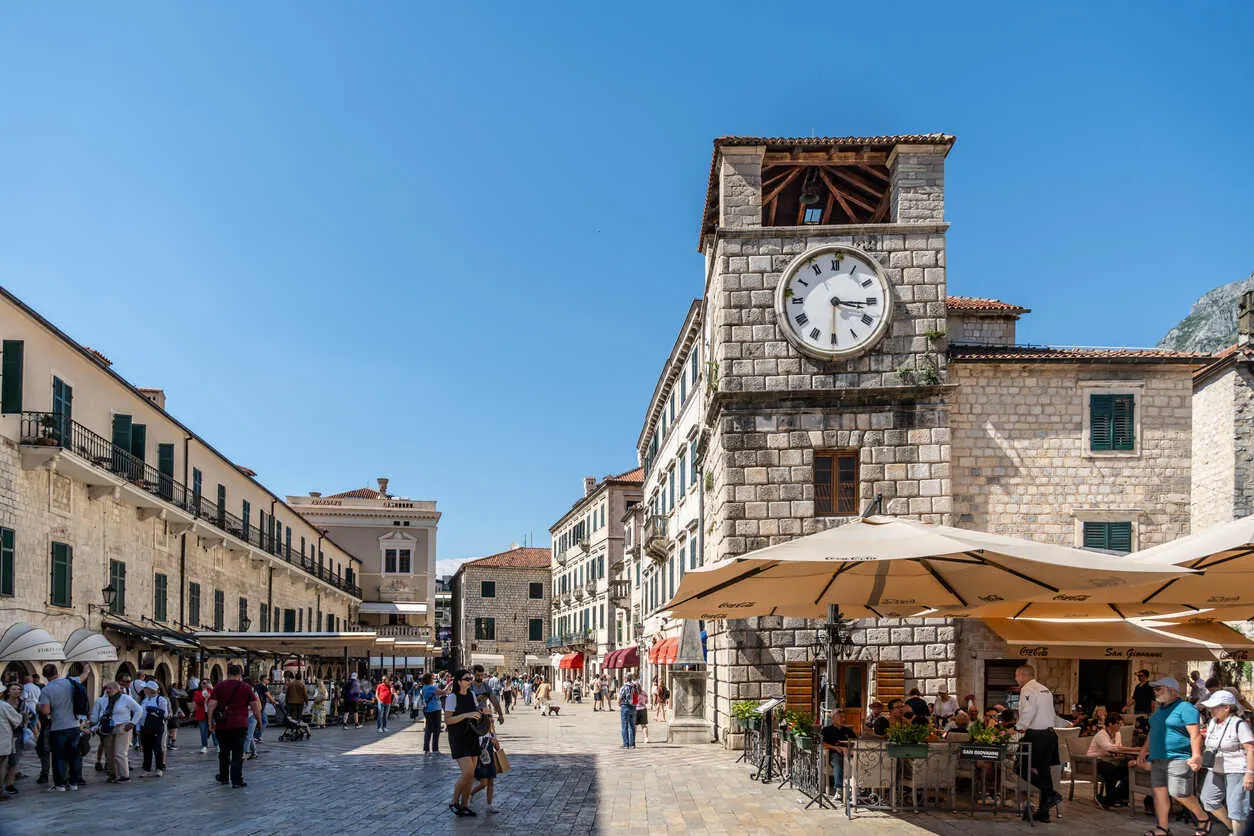
I started my journey in the majestic, fjord-like Bay of Kotor, just over the border from Croatia. Romans, Venetians, and Austro-Hungarians have all left their mark here over the centuries, which is why UNESCO listed the ancient town of Kotor in 1979.
Kotor is a small city packed with history—and tourists during the peak summer season. Most locals either escape to nearby smaller towns or head out on the water. Skimming over the waves on a sunset boat tour to the idyllic Our Lady of the Rocks island, I was already asking myself, “Could I actually live here?”
My next stop was the wild Luštica Peninsula in the southern part of the bay, where I caught up with an American couple who’ve made this gorgeous corner of the world their home. Mike and Lindsay made the move after retiring from busy corporate careers, looking for a peaceful alternative to life in New York City.
“Montenegro is one of the most beautiful places we’ve ever been, and we’ve traveled a lot since Mike retired,” Lindsay told me over a crisp glass of local white wine on their terrace overlooking the Adriatic Sea. “In the summer, our families come to visit, and we spend every day at the beach with the grandkids.
“In the winter, we often go skiing in the mountains. We spend every sunny day outside, even if it’s just a trip to our local café. It feels incredibly safe. Seeing children playing outside together reminds me of how neighborhoods used to be.”
A Sense of Ease and Peace
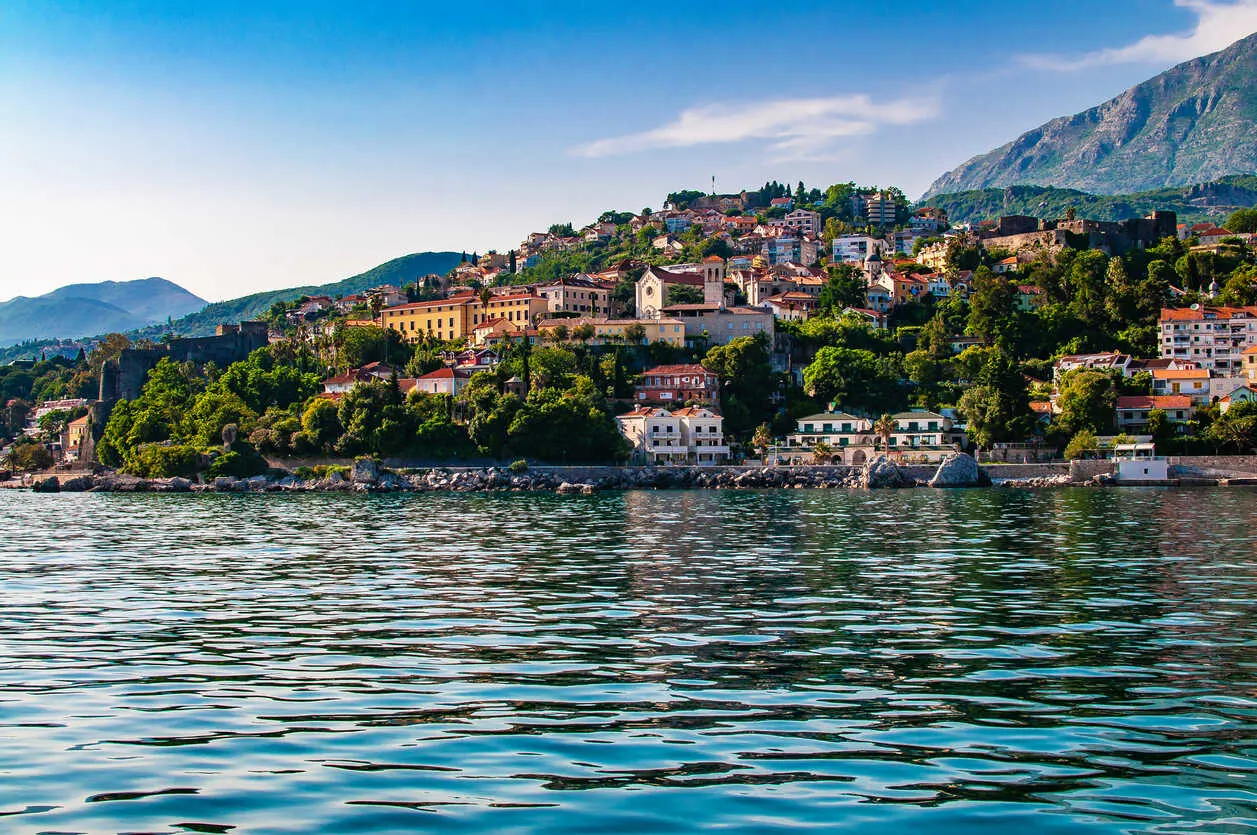
With regular cruise ships and day-trippers, Kotor felt more like a place to visit than somewhere I’d want to live. Mike and Lindsay suggested I head west around the bay to Herceg Novi, a small seaside city popular with both local residents and summer visitors.
As I struggled to find my apartment in the historic center of town, I experienced my first taste of Montenegrin kindness. A woman with a small child in tow called my landlord and led me through a series of tiny alleys to the correct address. Later, the owner of a bakery pulled out her phone and pointed out her favorite places to eat and swim after selling us some divine French-style pastries.
It struck me as the kind of place where you could quickly settle into a routine and find your place in the local community. After a morning swim and a relaxed coffee by the sea, I stopped at the market to pick up freshly caught fish for lunch.
Many places only accept cash, and international food options can be limited. But most restaurants serve delicious Mediterranean cuisine made with seasonal local ingredients. My personal favorite was fried calamari served simply with lemon and chunky fries.
Nightlife in Herceg Novi is quieter than in buzzing resorts like Budva, but we still found several lively bars open on a weeknight. Smoking in cafés and bars can be a big issue across the Balkans, but, surprisingly, patrons at both bars we visited stepped outside to smoke. I also noticed people leaving their phones on the bar. I had to remind myself that people here still trust one another. There’s a palpable sense of ease and peace in public spaces that’s increasingly hard to find in many busy Western cities.
How to Get a European Passport in Three Months
... Getting Citizenship in as Little as 3 Months? (even if you don’t have a European parent or grandparent)
... How to Live in Europe Year-Round on an American Passport Alone (no visa or second citizenship required)
... Why 2026 May Be the Last Year for Easy European Passports for Americans
Living Well for Less
Passing through the capital, Podgorica, on my way into Montenegro’s rugged, mountainous interior, I was reminded just how far your money can go here. Prices on the coast tend to be in line with those in Croatia, with dinner at a nice restaurant by the sea costing anywhere from €50 to €100 per person. Venture inland to more local establishments, and you’ll often pay half that.
Groceries, rent, and utilities also cost less than in many other parts of Europe. A monthly grocery bill for a couple runs around €400 to €600, depending on your tastes. Local friends told me they pay around €700 to €800 a month for a modern two-bedroom apartment in the capital, rising to €1,000 to €1,200 in popular coastal locations like Budva and Tivat.
U.S., U.K., and EU citizens can buy property and land in Montenegro, as long as it isn’t agricultural land. Property prices on the coast have increased significantly over the past decade, but very affordable homes can still be found in rural areas of northern and central Montenegro. While a luxury seafront villa will cost several million euros, comfortable family homes inland can cost around €120,000 to €250,000. That makes Montenegro an interesting option for retirees looking for an affordable second home.
As I traveled north toward Montenegro’s main ski resorts around Kolašin and Žabljak, charming Alpine-style chalets dotted the dramatic mountain landscape. These attractive homes offer a comfortable and affordable alternative to the coast and could easily be rented during the winter ski season for supplementary income.
Quiet Mountain Life
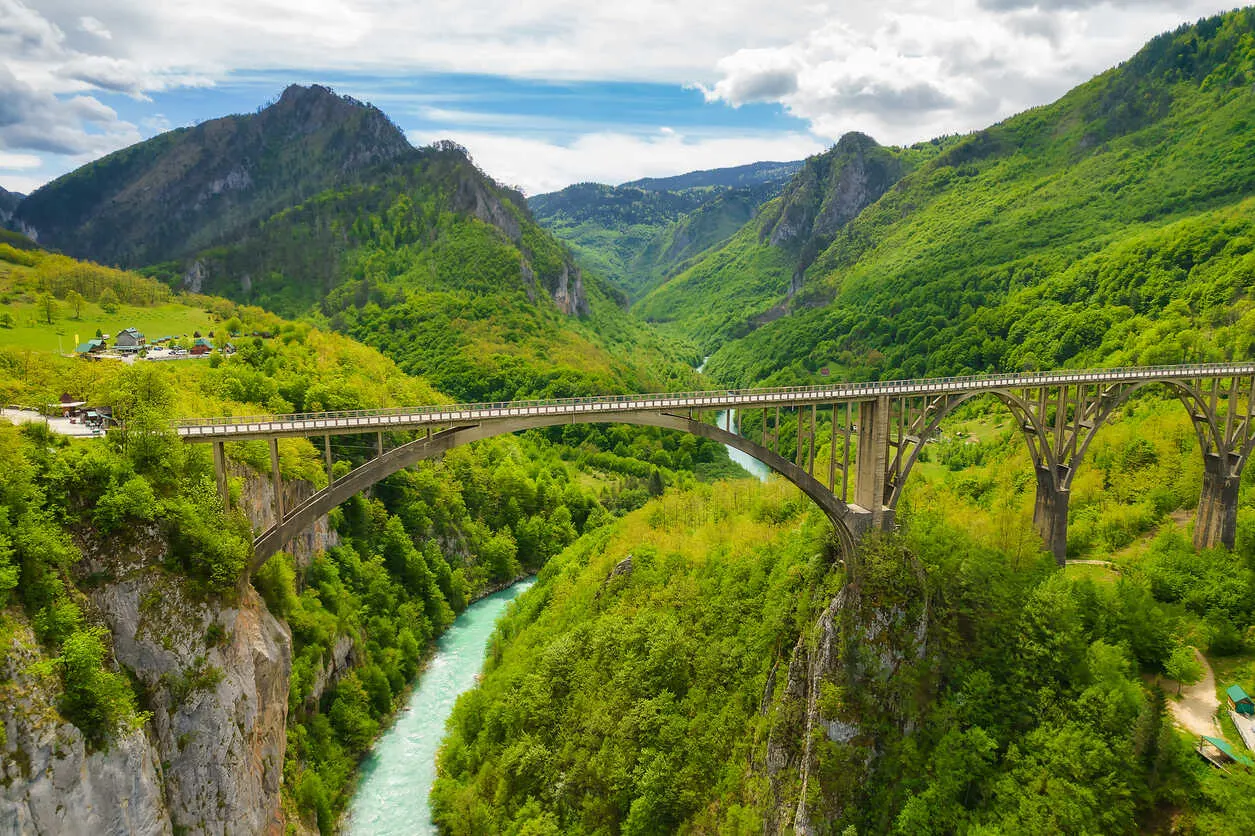
The highlight of my trip inland was a visit to Durmitor National Park, another UNESCO World Heritage Site that’s home to the spectacular Tara River Canyon, 18 glacial lakes, and many of Montenegro’s highest peaks. I was surprised to learn that more than half of Montenegro lies over 3,300 feet (1,000 meters) above sea level.
While Montenegro’s beautiful coast suits expats looking for the classic Mediterranean lifestyle, small mountain towns like Žabljak and Kolašin offer cooler summer temperatures and a slower, more authentic pace of life. In the former royal capital of Cetinje, I met Cathy, a retired American teacher who now runs a small guesthouse and tour agency.
“In the beginning, it was hard because I didn’t speak the language, and I think some of my neighbors wondered why this crazy American had moved in! Montenegrin isn’t an easy language to learn, but after a few years I can speak enough to get by. This is a close-knit community, and people really look out for each other. I’ll often come home to gifts of fresh vegetables or fruit left on my porch. I feel like part of the town, which is a feeling I never had back in the U.S.
“I also love the fact that I can jump in the car and, in an hour, dip my toes in the sea at Kotor. Or, in a couple of hours, breathe in the cool mountain air in Durmitor. It’s a country that has a little bit of everything.”
Retiring to Montenegro
Since Montenegro is not yet part of the EU, it’s relatively straightforward to move here compared with popular retirement destinations like Italy or Spain. Temporary residence permits (TRPs) can be secured through ownership of a property worth more than €150,000 or with a long-term rental contract. These permits can be renewed annually and can include a spouse.
Most U.S. retirees I met in Montenegro purchased property to secure their residency and found the process surprisingly simple and fast. Laura, who relocated from Canada to Tivat and opened a real estate agency, told me, “In most cases, the notary will verify the same legal information that a lawyer would review before preparing the contract. If the property documentation is clean and there are no encumbrances registered on the title deed, the purchase process is usually straightforward and secure.” The whole process often takes just a few weeks.
For those living on a pension and holding modest assets, Montenegro’s tax policies are also more attractive than those of many European neighbors. Capital gains tax is 15%, personal income tax ranges from 9% to 15%, and property taxes tend to be low. Private healthcare is available from €100 to €150 per month, with most expats choosing modern private clinics in larger towns like Podgorica and Tivat.
Montenegro’s Next Chapter
Montenegro is currently in a period of transition as it prepares for possible EU accession by 2030. Some expats I met told me they moved up their plans to settle here before that date.
That sense of change is already palpable on the ground. Driving around Montenegro, I could already see some of the benefits of closer alignment with the EU. Key roads, like the route between Kotor and Budva, are being completely rebuilt to reduce journey times and improve safety.
When Montenegro eventually joins the EU, stricter immigration policies, along with changes to tax structures and property regulations, are likely. Prices may also rise as foreign investment and infrastructure development increase demand.
So… Should You Retire Here?
We don’t know exactly when Montenegro will join the EU, but change is coming. Right now, it offers a rare combination of Mediterranean living, relatively accessible residency options, and affordable property.
If I were a U.S. retiree looking to relocate to Europe, Montenegro would be high on my shortlist. It remains one of the last relatively accessible gateways to a Mediterranean lifestyle.
Join Us in Europe in 2027!
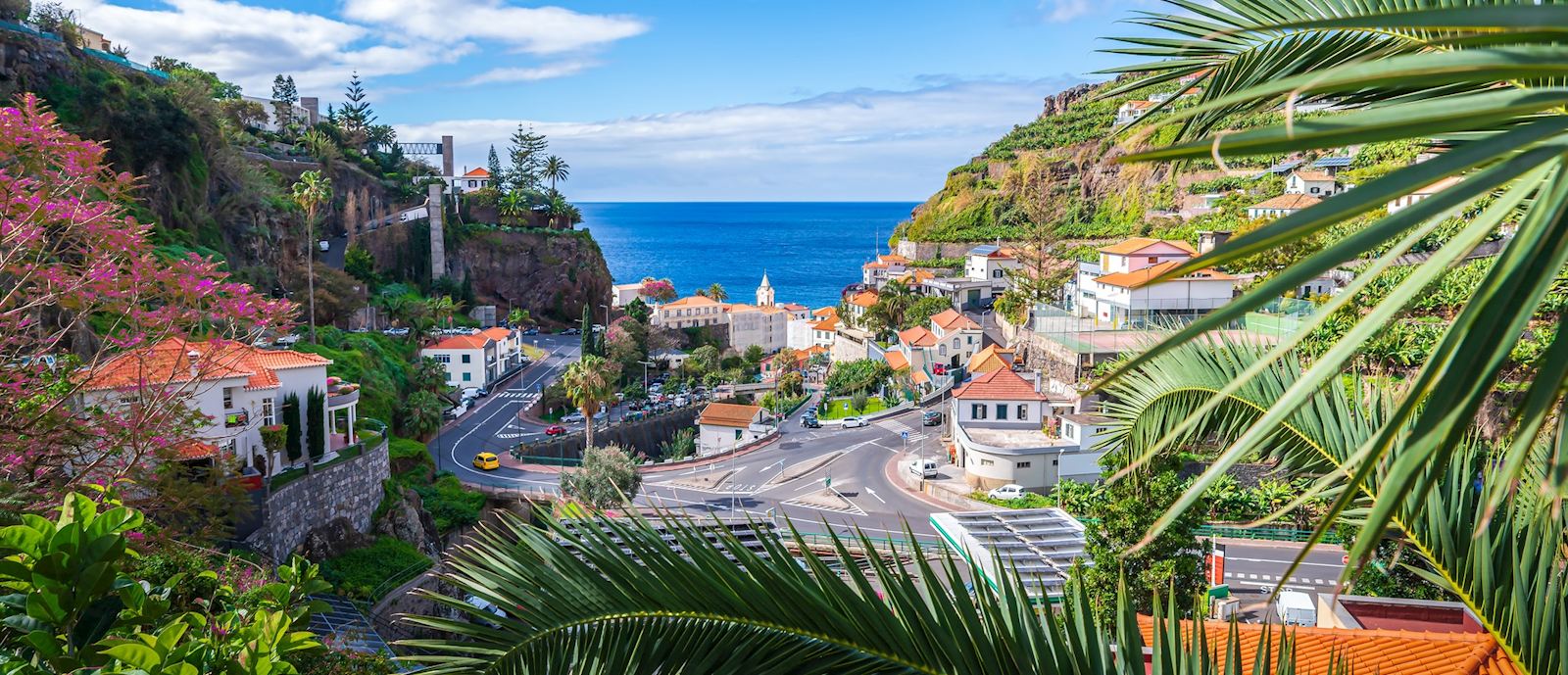
Portugal, Spain, Italy, France, Greece... You’ll find gorgeous, culturally rich cities and towns and beautiful sunny beaches. You can enjoy a high quality of life—yet a surprisingly low cost of living. Starting at $2,500 a month, a couple can live well. With more, you could live large.
If you’ve been dreaming of life in Europe, join us March 20-22, 2027, for International Living’s Fast Track Europe Conference. We’ll meet in Portugal’s sunny Algarve, and our focus will be on Europe’s best destinations to retire better, live well, and spend less.