

Yes, you can get paid to live in Europe. I’ll show you how and fill you in on the backstory and the nuances you need to be aware of.
But bottom line: Any of these opportunities could put thousands of extra dollars in your pocket—in Italy, Spain, Ireland, Greece, or Scotland.
I’m talking about funds delivered in the form of straight-up income, tax breaks, nearly free housing, and carrots to entice you to renovate an old place.
In the mainstream press, you’ll occasionally see clickbait headlines about these incentive programs—touting that Europe will “pay you” to move there.
I always read such things with skepticism—the sort of thing that sounds too good to be true. So I decided to do some research on this.
Not all programs are created equal—and some you’ll still read about elsewhere have, in fact, expired. But you’ve still got some good options. And they will, in fact, effectively pay you to live there. Here’s what you need to know:
First, some caveats. “Country pays you to move” is almost always not an accurate statement. What’s really happening is that “a small town/region pays you.”
Few countries will give you cash to move there. National programs that try to attract immigrants with financial incentives usually involve tax breaks rather than a direct payout.
Above all, it’s important to understand that schemes that do give you cash (or a cheap house, land, etc.) to move somewhere have no link to residency. That’s because they are local programs. And immigration policy is run by national governments. So even if you do acquire a property through one of these special incentive schemes, it’s not a guarantee that you’ll be allowed to live in it, which is often a requirement to get the money.
With that in mind, here are some places that offer financial incentives.
These are places where you really CAN effectively get paid to live in Europe—and the caveats that come with each situation:
The World’s Best Retirement Havens for 2026
The World’s Best Retirement Havens for 2026
24 Countries Compared, Contrasted, Ranked, and Rated. You don’t have to be rich to enjoy a pampered retirement, you just need to know where to go. With our 35th Annual Global Retirement Index, our experts hand you a detailed roadmap. Details—and a Special Offer—Here

By submitting your email address, you will receive a free subscription to IL Postcards, The Untourist Daily and special offers from International Living and our affiliates. You can unsubscribe at any time, and we encourage you to read more about our Privacy Policy.
Italy
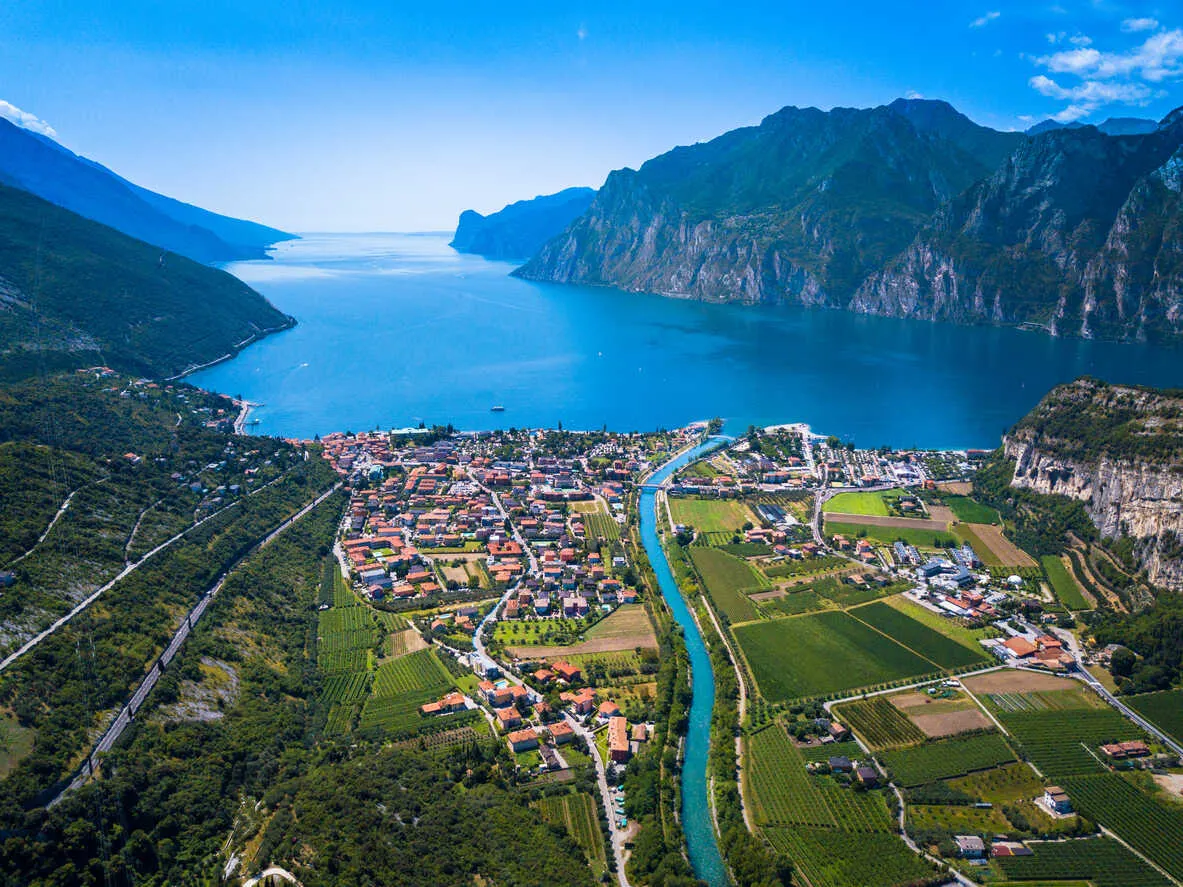
Italy often appears in the news for “€1 house schemes” in out-of-the-way towns. These usually require that you renovate the property within a fixed timeframe, as well as a deposit to ensure that you do so. There are also various approval fees (engineer’s certificates, etc.). Some towns also subsidize rent and energy for newcomers. But if you can combine this with a pathway to residency and you don’t mind living in a rural area, this can be a great option.
Some Italian regions offer big grants to attract new residents. For example, Trentino grants up to €100,000, which can be split between purchase and renovation. But these usually come with a requirement that you live there yourself. For example, Radicondoli, a town an hour south of Florence whose heyday was in the Middle Ages, offers grants and subsidies to new residents. The catch is that you must live there yourself for at least 10 years.
But Italy does have a juicy financial incentive: If you settle in specific southern municipalities and regions, Italy will give you a 7% flat tax concession that lasts 10 years. Given that the country’s top marginal rates are over 40%, this is a hefty incentive.
Spain
Spain also has some rural municipalities that will offer cash grants, free or cheap land, and other financial incentives to people who acquire property there. The catch is that you need to be listed on the municipal register as a resident and taxpayer and promise to make it your main home for a minimum period.
For example, Ponga in Asturias offers about €3,000 to new residents. The Extremadura region, on the other hand, will give relocating digital nomads up to €15,000 to move there.
The big incentive for Spain, like Italy, is “Beckham’s Law,” a special expat tax regime that offers a flat rate on certain employment income up to a cap for a limited period, as well as exemptions on certain foreign-source income.
Ireland
The Emerald Isle has a dire housing shortage, but the national government will offer up to €70,000 to anyone who will refurbish vacant or derelict houses back to livable condition. On certain offshore islands, that can rise to €84,000. The catch is that you must refurbish it to live in as your principal residence or make it available to rent. You must own it in your own name.
As with similar incentives in other countries, this isn’t cash for your own pocket; it’s money that must be used to restore property.
Greece
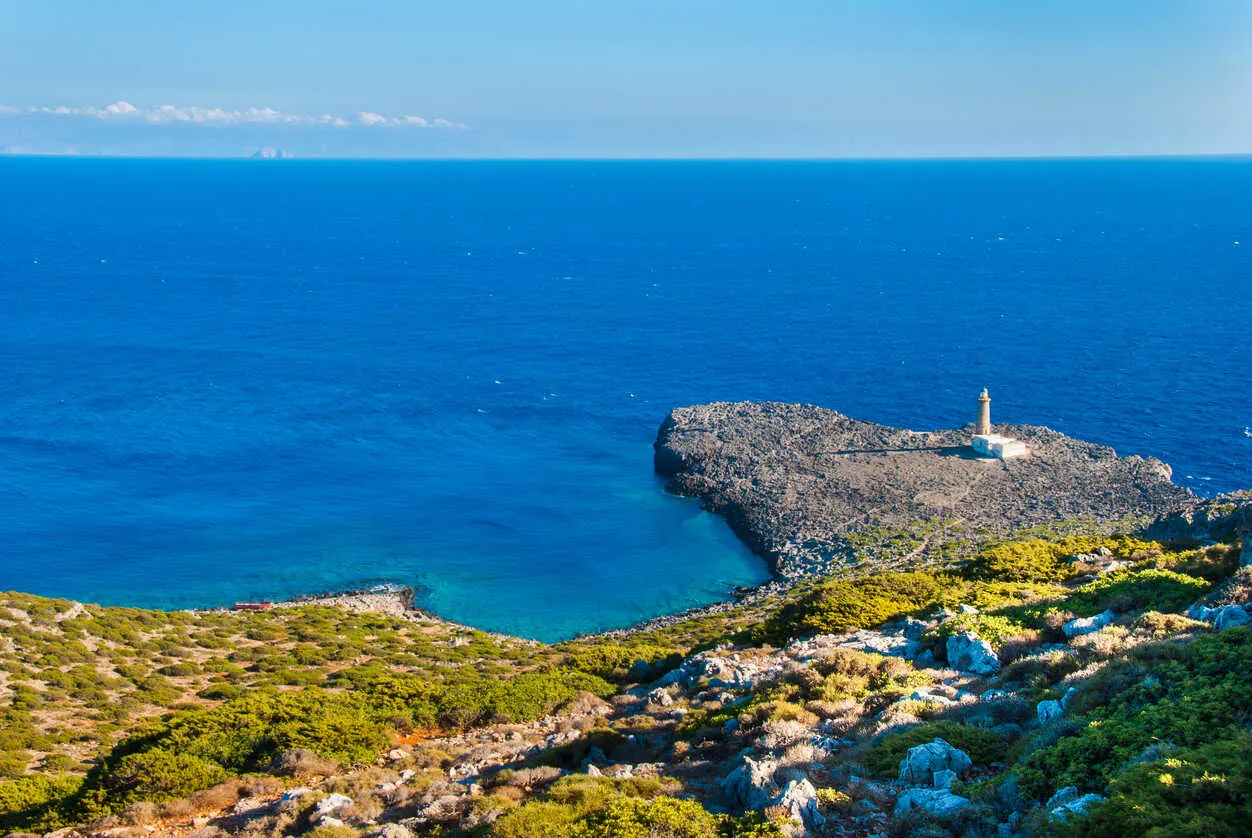
Some tiny islands have offered housing and monthly stipends to attract residents and essential workers. The most famous is Antikythera, which will give you a house and a plot of land, as well as €500 per month for up to five years.
A little-known national program will grant up to €10,000 to those who are willing to move to shrinking regions. For most people, this benefit comes in the form of rent refunds for essential workers like teachers, doctors, and nurses. This is the only confirmed cash incentive from a national government I’ve been able to find.
But the big bonus for anyone relocating to Greece is a 7% flat tax rate for up to 15 years for new residents. Like Spain, this is a major incentive given the country’s high marginal tax rates.
Portugal
Portugal has long been welcoming to foreigners, especially those willing to live or invest in its remote rural areas. Under the country’s Emprego Interior Mais programme, eligible applicants can get a one-off grant of up to €6,000 to cover moving and other costs to relocate to the countryside. You can get an additional 20% per dependent household member who joins you.
If you’re a foreigner, you first need to have residency, which in this case would mean the D8 digital nomad visa—having a job is a prerequisite for the relocation grant. The D8 requires an income of around €3,500 a month.
As I mentioned earlier, taking advantage of one of these programmes doesn't get you residency, but it will certainly help. Particularly if you combine one of these programmes with an income-based residency status, like a retiree or digital nomad visa, this can be an excellent way to start a life overseas with a bit of extra financial support.
The World’s Best Retirement Havens for 2026
The World’s Best Retirement Havens for 2026
24 Countries Compared, Contrasted, Ranked, and Rated. You don’t have to be rich to enjoy a pampered retirement, you just need to know where to go. With our 35th Annual Global Retirement Index, our experts hand you a detailed roadmap. Details—and a Special Offer—Here
By submitting your email address, you will receive a free subscription to IL Postcards, The Untourist Daily and special offers from International Living and our affiliates. You can unsubscribe at any time, and we encourage you to read more about our Privacy Policy.