
“Oh, Tem-ba Ba-vuuuu-maa…”
Table Mountain’s afternoon shadows were lengthening in the session after tea at the Newlands Cricket Ground in Cape Town. But the crowd—fuelled by Castle Lager and our team’s relentless demolishing of our arch-enemies Australia—was just hitting its stride.
You can set your watch by the outbreak of boisterous singing at a test match: 2.30 PM. After a couple of half-hearted attempts at “Sweet Caroline,” a South African fan favourite, the crowd settled on a chant in support of our captain, Capetonian Temba Bavuma.
As I turned to see who was leading the chant, I spotted a pair of fans who would not have been allowed to do what they were doing 40 years ago.
An Unlikely Pairing Works The Crowd
A middle-aged black man and a young white boy about eight years old worked together to rile up the fans in their section. Like a pair of Zulu warriors, they coordinated their arm-waving and leg-kicking to great effect. Inevitably, a TV cameraman somewhere in the stadium spotted them, and flashed them up on the big screen, to a tremendous roar from the crowd.
None of this would have been possible when I first came to South Africa in the 1980s.
To begin with, South Africa had been banned from all international sport because of the pernicious system of apartheid then practised. Under that system, black South Africans were forbidden from being in the same social spaces as whites.
But all that is over. The captain of our cricket team is a highly accomplished black South African, as is our premier bowler. The team and the crowds that follow them are fully integrated. Our current rugby captain, leader of our de facto national sport, is a national hero… a black kid who grew up in a tiny, impoverished farm village in the Eastern Cape.
None of this was inevitable.
In the late 1980s, many observers expected South Africa to descend into a bloody racial civil war. The divisions seemed irreconcilable. Generations of injustice had created enormous bitterness, and neither side appeared willing to surrender its fundamental demands.
Yet South Africa surprised the world. Former Enemies Now Share A Beer at the Cricket
Instead of civil war, it negotiated a democratic transition. Instead of becoming another failed state, it developed a constitutional democracy in which former enemies could share political power—and, eventually, a beer at the cricket.
Of course, South Africa is not without its problems.
Like many countries, crime, corruption, unemployment, and inequality are problems.
The country’s political miracle did not magically produce economic prosperity.
But that’s precisely the point.
Countries Aren’t Condemned to Repeat Their Pasts
For Americans contemplating retirement abroad, it’s easy to dismiss countries based on their troubled histories, political headlines, or the conventional wisdom about where the world is heading.
South Africa offers a useful corrective. Countries aren’t condemned to repeat their pasts. Societies that appear hopelessly divided can find unexpected ways to live together. And they can present some incredible opportunities, too. I bought my current home in 1996, when investors were still afraid to put money into the country.
The most compelling evidence of progress isn’t found in political speeches or economic statistics. It’s a black man and a white boy dancing together at a cricket match, utterly indifferent to the fact that, within living memory, their friendship would have been unthinkable.
The future has a habit of surprising us. That’s worth remembering when deciding where to spend yours.
The World’s Best Retirement Havens for 2026
The World’s Best Retirement Havens for 2026
24 Countries Compared, Contrasted, Ranked, and Rated. You don’t have to be rich to enjoy a pampered retirement, you just need to know where to go. With our 35th Annual Global Retirement Index, our experts hand you a detailed roadmap. Details—and a Special Offer—Here

By submitting your email address, you will receive a free subscription to IL Postcards, The Untourist Daily and special offers from International Living and our affiliates. You can unsubscribe at any time, and we encourage you to read more about our Privacy Policy.
Join Us in Europe in 2027!
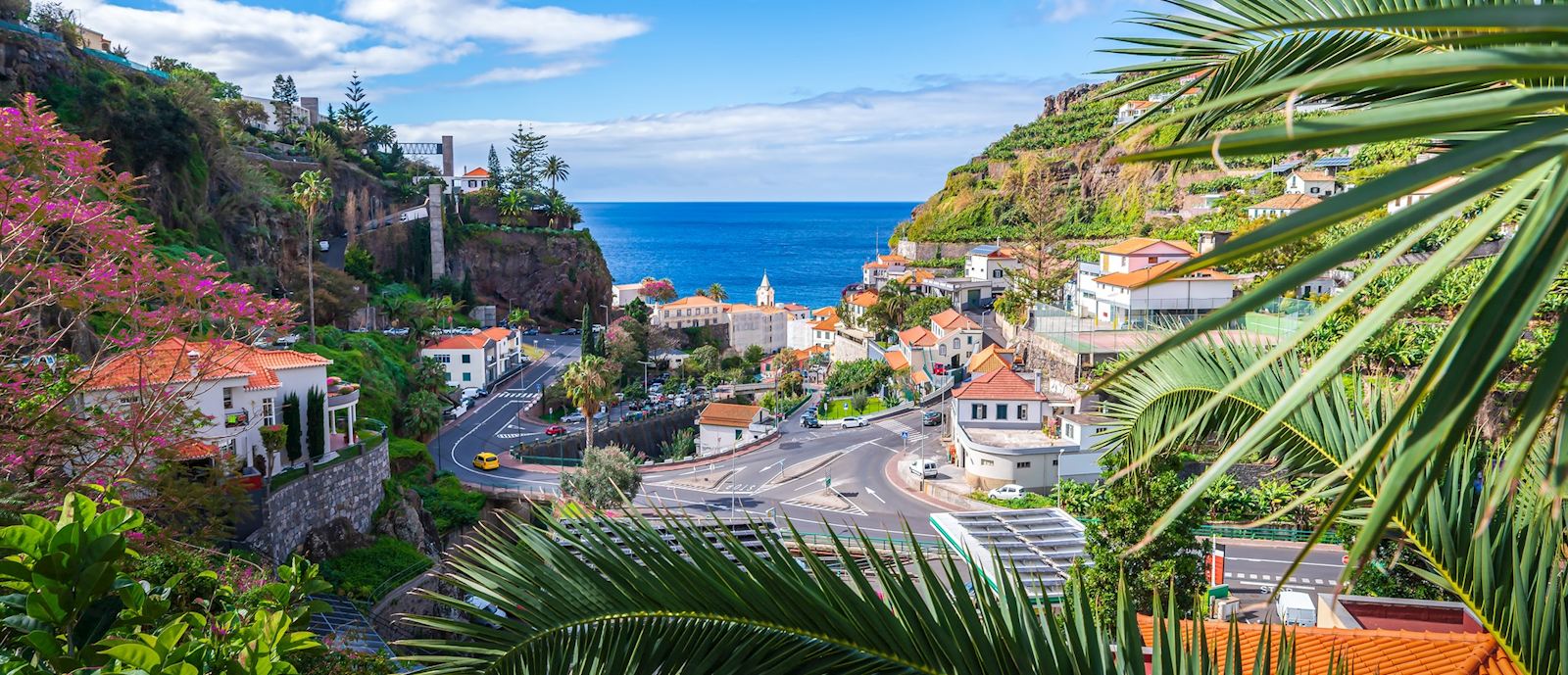
Portugal, Spain, Italy, France, Greece... You’ll find gorgeous, culturally rich cities and towns and beautiful sunny beaches. You can enjoy a high quality of life—yet a surprisingly low cost of living. Starting at $2,500 a month, a couple can live well. With more, you could live large.
If you’ve been dreaming of life in Europe, join us March 20-22, 2027, for International Living’s Fast Track Europe Conference. We’ll meet in Portugal’s sunny Algarve, and our focus will be on Europe’s best destinations to retire better, live well, and spend less.
