Leaving the US to live in a foreign country is a big move and can be a real jolt to your system, especially if you aren’t a veteran traveler. Choosing to live all the way on the other side of the planet, in Asia, significantly compounds the scale of this culture shock. Take someone from the Midwest and drop them off in Bangkok, Bali, or Beijing, and it will surely feel like they’ve been beamed to a galaxy far, far away.
But there’s a charming country in Southeast Asia, full of friendly people, that has its own way of mitigating such a radical change of venue. The Philippines is a massive archipelago of over 7,000 islands and is home to more than 100 million friendly natives. A colorful colonial past has shaped Filipino culture into something truly unique, making it a foreigner-friendly portal to the exotic Far East.
Here are ten reasons why any American considering a move overseas should take a look at this fantastic country.
The World’s Best Retirement Havens for 2026
The World’s Best Retirement Havens for 2026
24 Countries Compared, Contrasted, Ranked, and Rated. You don’t have to be rich to enjoy a pampered retirement, you just need to know where to go. With our 35th Annual Global Retirement Index, our experts hand you a detailed roadmap. Details—and a Special Offer—Here

By submitting your email address, you will receive a free subscription to IL Postcards, The Untourist Daily and special offers from International Living and our affiliates. You can unsubscribe at any time, and we encourage you to read more about our Privacy Policy.
1. Filipinos Speak English
English is one of two official languages recognized throughout the country. It plays an important role in daily life, education, and business throughout the country. There are 2 million Overseas Filipino Workers (OFWs) worldwide who have leveraged their English-language skills into steady, high-income jobs, sending money home to support their families. Remittances from OFWs account for nearly 10% of the country’s GDP.
The Filipino diaspora can be found around the world. Americans who choose to retire in the Philippines won’t need to learn another language.
2. The Cost of Living is Low
The cost of living in upscale Manila is one-third that of New York City. Compare Cebu to Miami and get the same results. The paradise island of Boracay costs one-fourth as much as Honolulu.
You get the idea; everything — rent, food, healthcare, all of it — just costs a lot less. The average U.S. Social Security check ($2,071) affords a comfortable lifestyle in almost any part of the Philippines.
3. Every Lifestyle You Could Imagine is Available
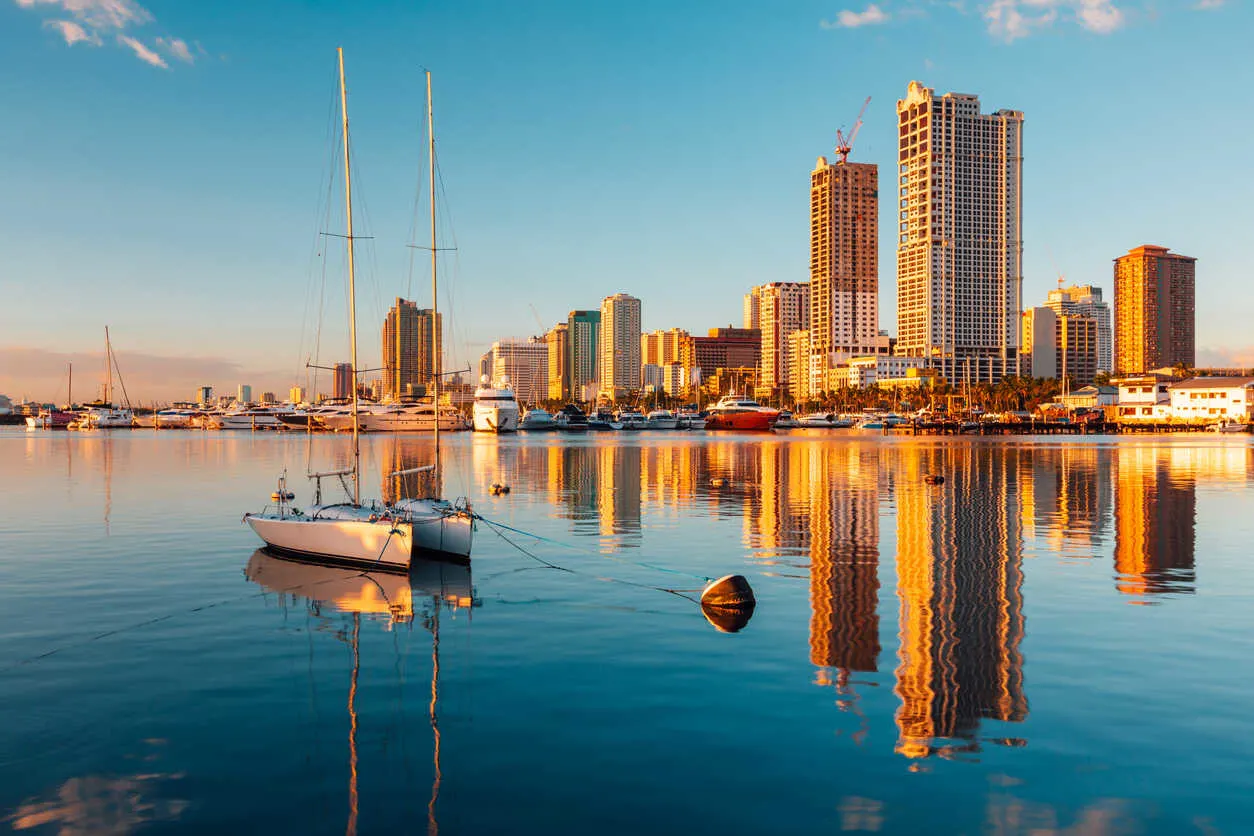
Do you want to live in a luxury glass-and-marble skyscraper in Manila that’s so high up you can almost see Borneo? Maybe you’re more of a rustic one-bedroom bungalow on a Siargao beach, living by the tides, surfer-dude type. Or perhaps you’re a retired couple dreaming of suburban bliss in a pool villa near the golf course, in a gated community in immaculate Iloilo.
Because the country is made up of islands, each one has developed unique characteristics according to its location, weather, ecosystem, commerce, and population density. No two islands are the same. Part of the adventure is hopping around until you find just the right vibe.
In the Philippines, there are just so many more choices; it’s easier to match your budget with your dreams.
4. The Visa Process for Americans is Affordable and Easy
U.S. citizens are not required to obtain a visa to enter the Philippines and are eligible for a 30-day visa waiver upon arrival. That waiver can be extended repeatedly for up to 36 months before the newcomer must leave the country, though they can return and restart the process. Each extension costs between $60 and $90, depending on its length.
The Special Resident Retirement Visa (SRRV) program for those age 50+ requires a bank deposit of about $10,000 for retirees with a pension and $20,000 for those without one. This visa is available for retirees as young as 35, but with significantly higher deposit requirements. Former US military members can obtain the SRRV for a fraction of the normal deposit requirements.
Besides not having to visit the immigration office every year to renew, there are tax benefits and customs fee waivers for importing household goods.
This visa amounts to permanent residency with unlimited multiple re-entry privileges.
5. A Wide Variety of Expat Enclaves to Choose From
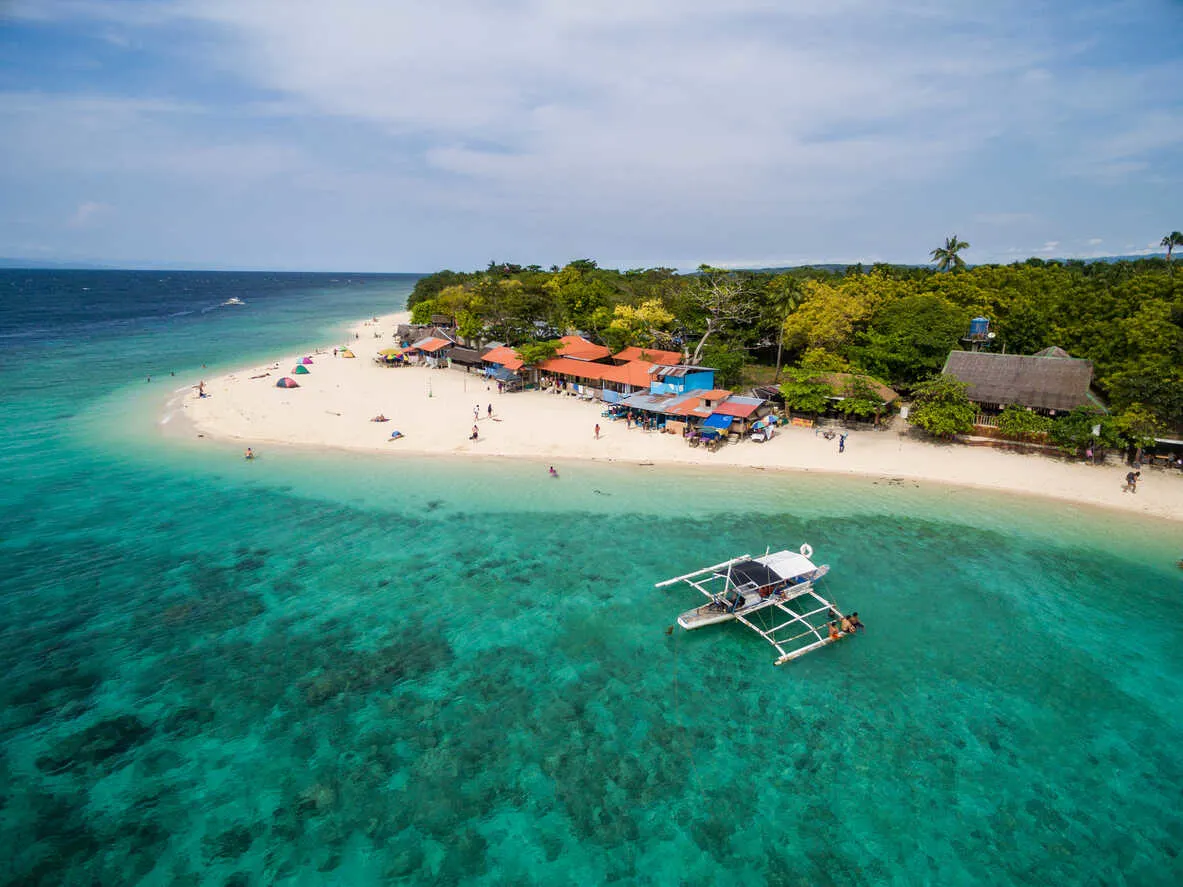
From bright lights and big cities to cozy mountain retreats and sugar-sand beaches, the Philippines has more great places to live than any other place in Asia. Well-established and welcoming expat communities exist all over the country.
Manila is home to vibrant upscale expat hotspots like BGC and Makati. The second-largest city, Cebu City, is ideally located in the middle of the Visayas, where many expats use it as a base to explore the rest of the country. Folks who want to escape the sweltering tropical heat congregate at 5,000 feet above sea level in the serene mountain town of Baguio.
Undersea adventurers are drawn to Puerto Galera for the coral reefs. Surfers like La Union for the steady waves. Retired US military gather near Subic Bay and Angeles City. Nature lovers congregate in primordial Palawan. Wanderers discover the seaside university town of Dumaguete and never leave.
Do a little island-hopping, and you’re sure to find a place where you fit right in.
6. Warm, Welcoming Communities
Read any of those “friendliness surveys” popular on the internet, and you’ll no doubt see Filipinos ranking near the top. They are widely known for their warmth, hospitality, and strong sense of community. Many expats say they find it easier to build friendships and feel welcomed here than in other parts of Asia.
Foreigners often comment on how approachable and helpful locals are, particularly outside major tourist centers.
7. Filipinos Are Christians
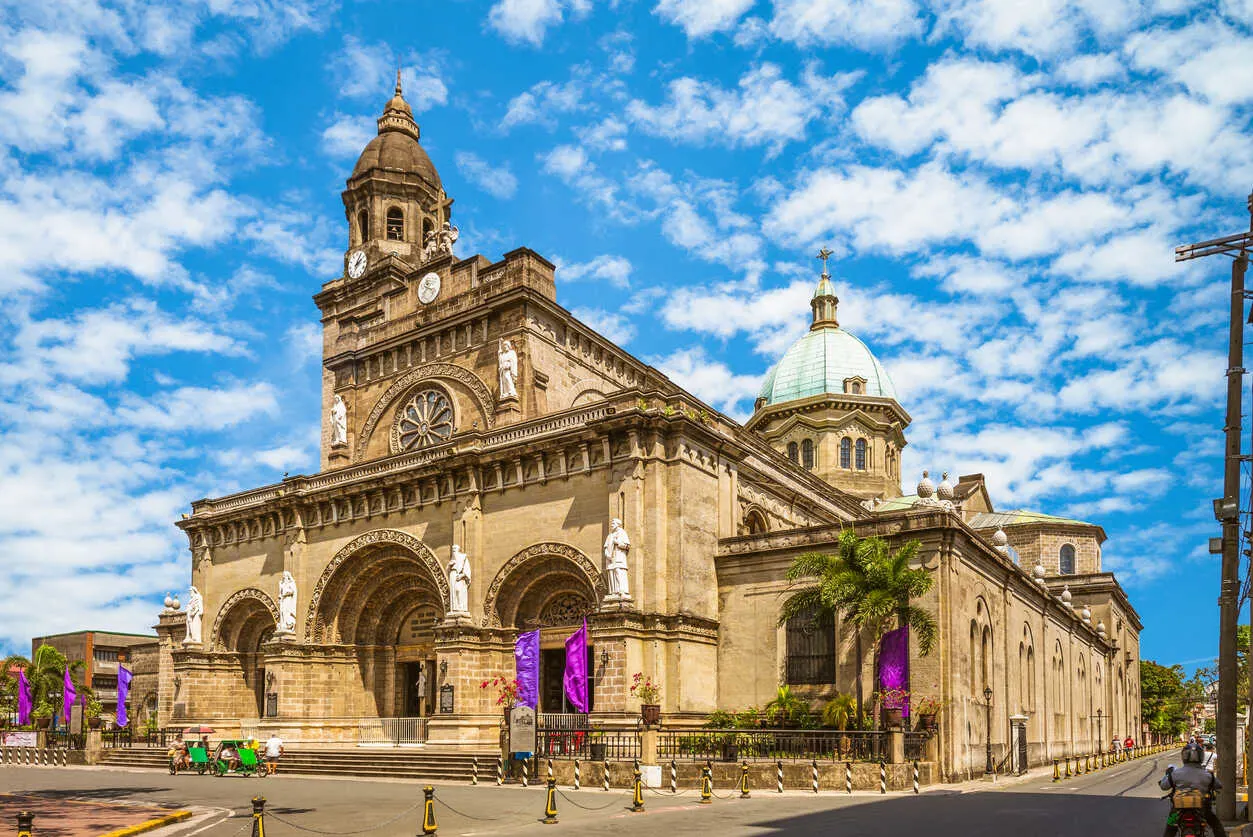
The Filipino people are overwhelmingly Roman Catholic, and religion plays a major role in their lives. If you are a Christian of any denomination, local churches can be a great way to introduce yourself to the local community and make friends and connections.
Even if you aren’t religious yourself, many aspects of Filipino culture and daily life will likely feel easier to understand and adapt to than in other parts of Asia. For many Americans, that can make the transition overseas feel less intimidating.
8. American and Latino Culture Are Everywhere
Spain ruled the Philippines through the Viceroyalty of New Spain (Mexico) for over 300 years, and the country’s Latin culture is palpable. The food, the music, the religion, and the local languages are all colored by this period.
Then the Americans came in for 50 years and laid down another layer of more modern culture. Huge military installations were present for most of the last century, and US citizens make up a large slice of the expat pie. American sports, movies, food, and music are all popular in the Philippines, and sometimes it feels more like home than home ever did. Christmastime is magic in Manila.
Swirl all that together with significant influences from other Asian countries like Japan and Korea, and you end up with sushi at McDonald’s and tacos with kimchi on them.
Filipino culture is comfortably familiar and oddly alien at the same time.
9. Senior Citizens Are Highly Respected
Filipinos are extremely family-oriented, often living with three generations under the same roof. Elders are highly respected and counted on for their experience and wisdom. That means retirees in the Philippines enjoy a revered status in society. What’s more, deep discounts and tax breaks for senior citizens make life easier here.
Many retirees also find it easy to build active social lives and meaningful relationships in the Philippines.
10. The Philippines is a Nature Lover’s Paradise
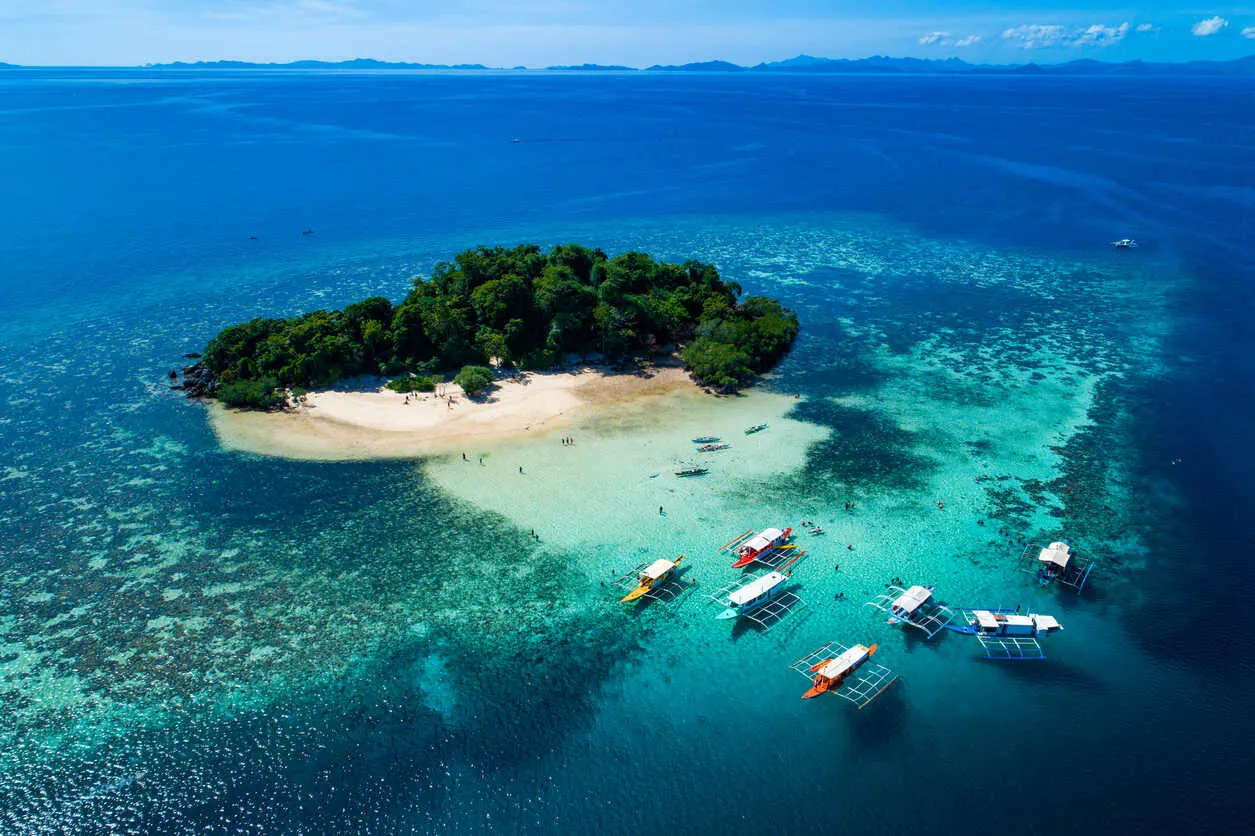
7,670 individual islands … 36,000 kilometers of coastline … mountains … volcanoes … underground rivers … rainforest jungles … coral reefs … waterfalls … bat caves … and so much more.
Tubbataha Reefs is a UNESCO World Heritage-listed marine park protecting nearly 100,000 hectares of high-density coral reefs, making it a bucket-list destination for scuba diving. In Palawan, you’ll find the Subterranean River, another UNESCO World Heritage Site, featuring an 8.2-kilometer navigable underground river winding through a spectacular limestone cave system.
Due to its isolated island geography, the Philippines is also blessed with a unique and highly endemic wildlife population. Over half its mammals and birds are found nowhere else on Earth. See flying lemurs in Mindanao, nocturnal tarsiers in Bohol, and Philippine eagles, among the largest and rarest raptors in the world, patrolling the skies over Samar.
For people who want to plug into nature and feel like part of the planet, no place is better than the Philippines.
The Takeaway
While living in the Philippines is an exciting, exotic adventure, it is also comfortable, easy, and pleasantly familiar. There is no doubt that this unique and friendly country is one of the softest landings for Americans who want to go expat in Asia.
Many who’ve discovered the charms of this region will attest … The Philippines is like a lot of places, but no place is quite like the Philippines.
The World’s Best Retirement Havens for 2026
The World’s Best Retirement Havens for 2026
24 Countries Compared, Contrasted, Ranked, and Rated. You don’t have to be rich to enjoy a pampered retirement, you just need to know where to go. With our 35th Annual Global Retirement Index, our experts hand you a detailed roadmap. Details—and a Special Offer—Here
By submitting your email address, you will receive a free subscription to IL Postcards, The Untourist Daily and special offers from International Living and our affiliates. You can unsubscribe at any time, and we encourage you to read more about our Privacy Policy.