If you are thinking of moving to a new country, Greece has lots of appeal: bright sunshine, amazing islands, a cost of living that makes most Westerners do a double take, and a genuinely friendly population famous for its warm hospitality. For expats, Greece's big cities offer additional practical advantages. English is widely spoken, quality healthcare is accessible, and building a social life is easier because there are already established international communities to plug into.
If you are thinking of a big city in Greece, Athens is the obvious choice. But while the nation’s capital has lots of advantages, there is a second city you might want to add to your list of places to visit when considering which town to make your next home: Thessaloniki.
Located about 310 miles (500 kilometers) from Athens, Thessaloniki is the second largest city in Greece. But while these two cities are the largest, they have totally different vibes.
Let’s take a closer look at how these two cities compare.
Get Your Free Greece Report Today!
Get Your Free Greece Report Today!
Learn more about a slower pace of life in Greece and other countries in our free daily postcard e-letter. Simply enter your email address below and we'll also send you a FREE REPORT — Retire in Greece—Find Your Dream Retirement in This European Archipelago.

By submitting your email address, you will receive a free subscription to IL Postcards, The Untourist Daily and special offers from International Living and our affiliates. You can unsubscribe at any time, and we encourage you to read more about our Privacy Policy.
Population: Does Size Matter?
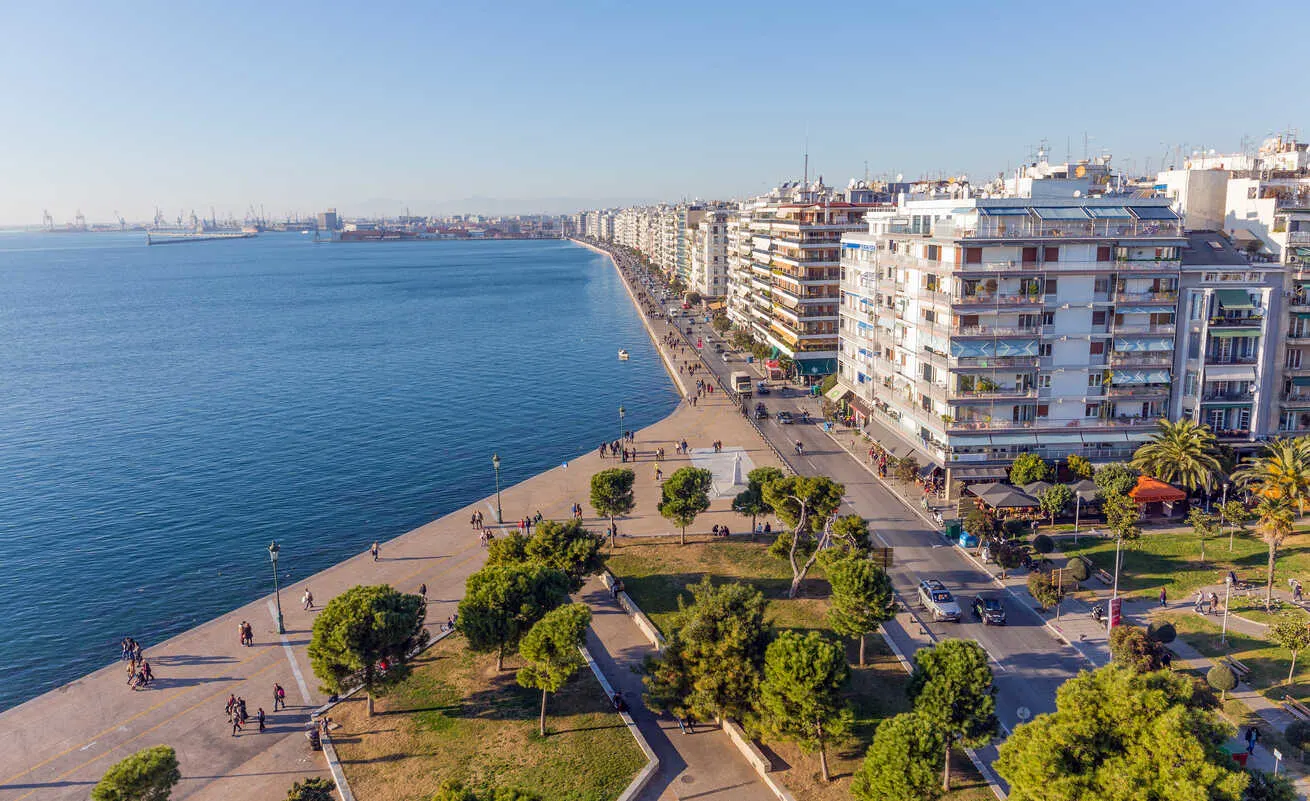
Athens is home to over 3.5 million people in the greater metropolitan area, making it one of the most densely built capitals in Europe. Thessaloniki, Greece's second largest city, has a metropolitan population of around 1.1 million. From a numbers perspective, this looks like a simple size difference, but on the ground, it feels like a completely different relationship with your city.
I love Athens, but it can be relentless, with narrow streets, dense neighborhoods stacked on top of each other, and traffic that tests the patience of even the most seasoned urban dweller. Pedestrians don’t have the right of way, and the scooters and motorcycles weaving through traffic can be overwhelming during rush hour.
Thessaloniki breathes differently. The main boulevards are wide, the waterfront promenade stretches for miles, and you rarely feel the city pressing in on you. For anyone coming from a crowded urban city who is dreaming of a slower, more spacious life, that distinction matters more than any statistic.
Climate Differences
Being from San Francisco, I’ve come to understand that most people picture Greece the way they picture California after watching Baywatch: endless sunshine, warm breezes, and no need for a coat. But like California, that image is true for part of the country and wildly misleading for the rest.
Greece is not one climate. It has several, including Mediterranean, alpine, continental, and arid, and Athens and Thessaloniki illustrate these differences perfectly. Athens sits at the southern part of the Greek mainland and enjoys a classic Mediterranean climate. It has long, hot, dry summers that stretch well into October, mild winters, and roughly 300 days of sunshine a year. If you like the warm temperatures and sunny skies, Athens is a good choice.
Thessaloniki, further north and situated between mountains and sea, tells a different story. Summers are warm but not as oppressive, with lower humidity and a breeze that makes an evening walk along the waterfront genuinely pleasant. Winters, however, are a different proposition entirely.
Thessaloniki gets cold in a way you might not imagine when you think of Greece. There can be occasional snow, and you may feel a biting wind known as the Vardaris that sweeps down from the north and reminds you that you are no longer in the sun-soaked south. Bring your winter coats and gloves if you plan to spend a winter in Thessaloniki. For expats who find Athenian summers punishing, Thessaloniki offers genuine relief. For those who moved to Greece specifically for year-round warmth, Athens is a better choice.
Cost of Living
Northern Greece carries a different economic history than the south, and it shows in the price of your morning coffee. After Greece became independent in 1821, Athens developed as the center of government, international trade, and foreign investment. But the north remained under Ottoman control until 1912, when Thessaloniki was finally incorporated into the Greek state after the Balkan Wars. That nearly century-long head start gave Athens time to build infrastructure, attract capital, and establish itself as the country's economic engine. Thessaloniki and the broader northern region have been catching up ever since.
For you as an expat, that history translates most directly into your housing costs. Rent in Thessaloniki runs 10 to 30 percent lower than in Athens, depending on the neighborhood and apartment size, with the biggest savings found outside the city center. Public transport is also significantly cheaper, roughly half the price of Athens.
Food Culture
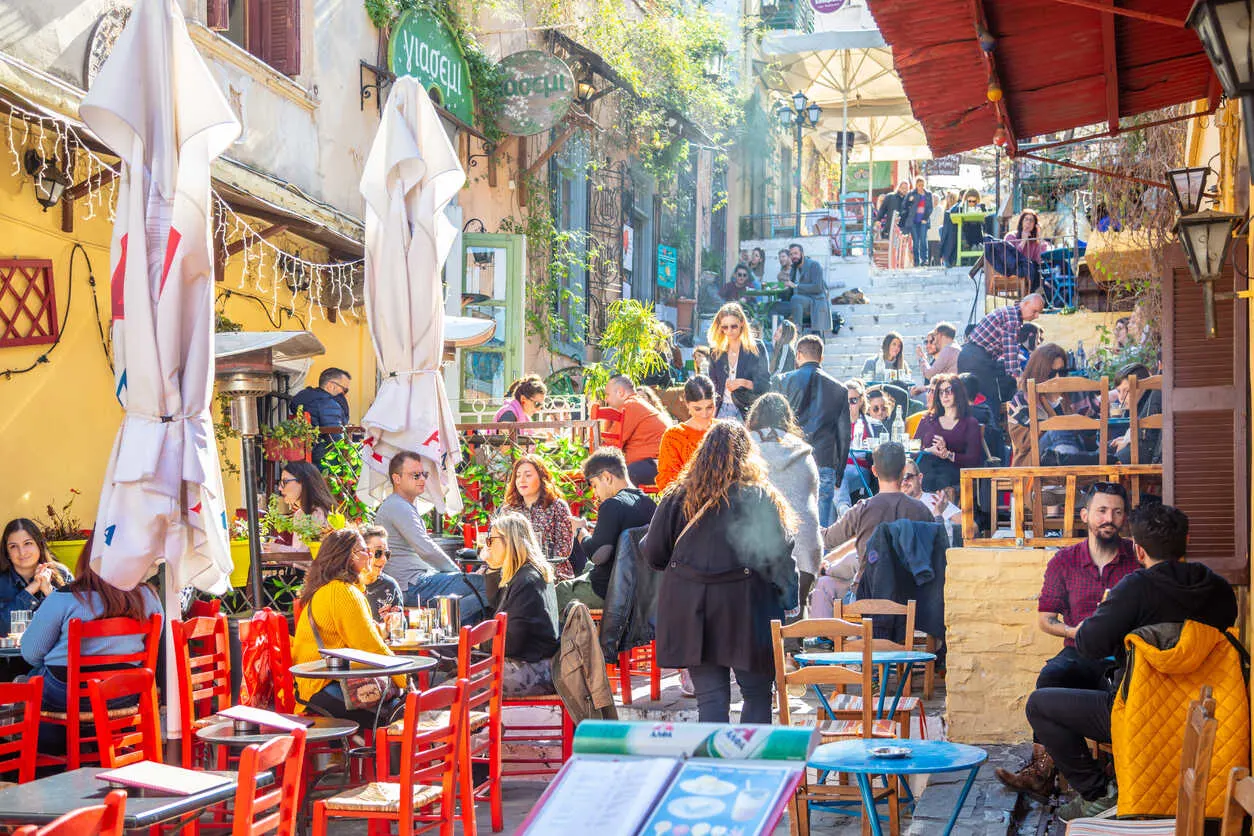
Most people assume Greek food is Greek food wherever you eat, but you’ll find this isn’t the full story. There are culinary differences within the country due to geography, history, and immigration. Athens, as the commercial and political center, developed a broader, more internationalized food scene. You can find excellent food in Athens, but you will also find a lot of mediocre tourist-facing tavernas relying on location rather than quality.
Thessaloniki's food culture is exceptional for specific historical reasons. When the Ottoman Empire collapsed, and population exchanges swept across the region in the early 20th century, Thessaloniki absorbed enormous waves of Greek refugees from Constantinople, Smyrna, and the Black Sea coast. They brought their recipes with them, and northern Greek cuisine is heavily influenced by Byzantine and Ottoman traditions. The food in northern Greece is richer in spices, in contrast to the cleaner, simpler flavors associated with southern Greek cooking. Dishes like pastourma, soutzoukakia, and bougatsa reflect that complex heritage.
Add to this the agricultural richness of Macedonia and Thrace, fertile land producing exceptional cheese, wine, vegetables, and meat, and you have the ingredients for a food culture that Greeks from Athens will quietly admit is something special. If you are someone who lives to eat rather than eats to live, Thessaloniki will surprise you (in a good way).
Healthcare
Both Athens and Thessaloniki have solid public and private healthcare options that meet a reasonable standard of care, but Athens has the edge. As the capital, it offers the most advanced medical infrastructure in the country, the widest range of specialists, and private clinics well-equipped to treat foreign patients. Thessaloniki is perfectly adequate for routine care and has strong medical facilities connected to Aristotle University, but for complex or specialized treatment, you might have to travel south to Athens.
Expat Life
Athens has the advantage for expat infrastructure. It has large established foreign communities, international schools, English-speaking lawyers and accountants, embassies, and a major international airport with direct connections across Europe and beyond. If you arrive speaking no Greek and need an established network to facilitate your transition, Athens is an easier starting point.
Thessaloniki's expat community is smaller and less organized, but that fact cuts both ways. You are more likely to integrate into Greek life than disappear into a foreign bubble. The city has become increasingly attractive to digital nomads and younger expats drawn by the lower cost of living and quality of life, and its international airport connections are growing.
One note that applies to both cities: Greek bureaucracy requires patience, good local advice, and occasionally a sense of humor. Find an English-speaking lawyer before you arrive.
The City Soul: Which One Fits Yours?
Athens and Thessaloniki have distinct personalities, and neither is objectively better. It is more of a question of personal preference.
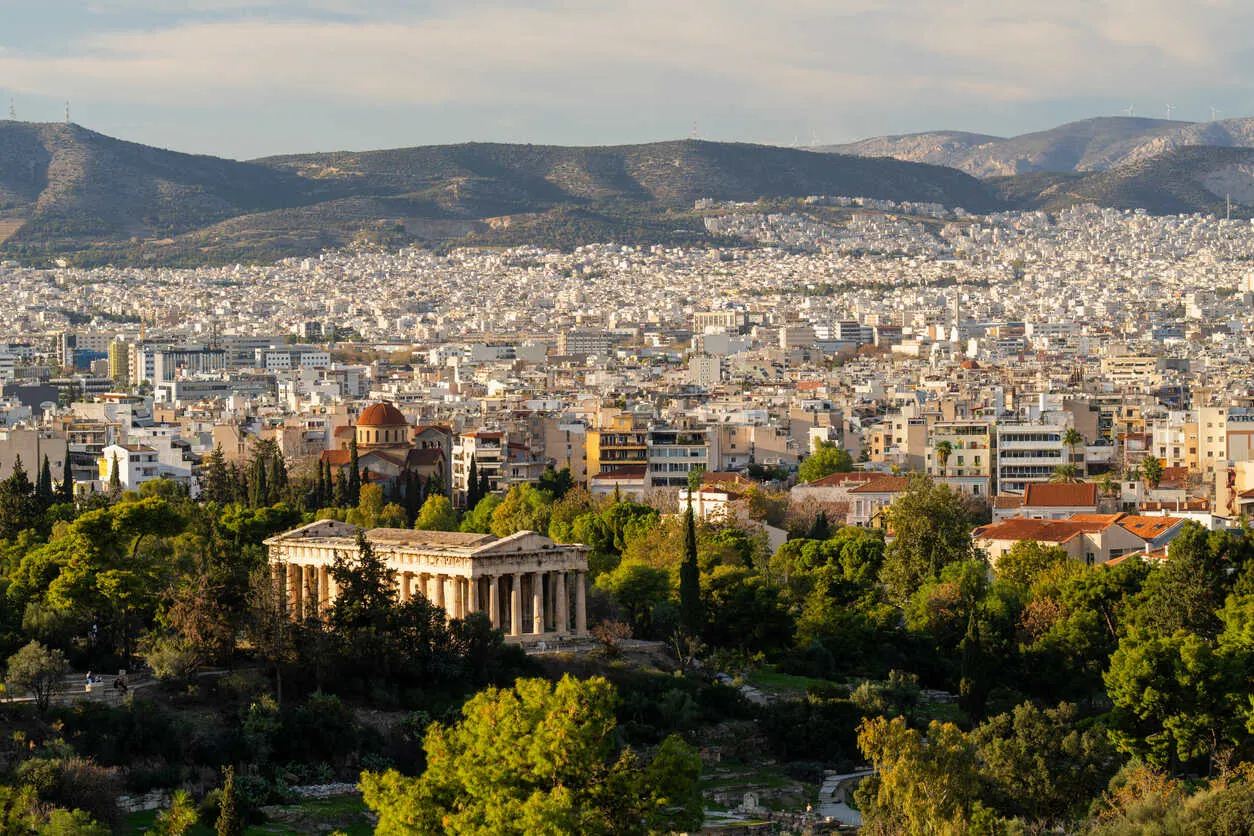
Athens is a world-class city in the fullest sense. It is stimulating, chaotic, historically layered, and offers the most diversity in Greece. The neighborhoods range from gritty to glamorous, the restaurant scene is international, the cultural calendar is packed, and the energy is high. For expats who want urban intensity, easy travel connections, a large English-speaking community, and the feeling of being in the center of things, Athens delivers. The trade-off is noise, pollution, traffic, density, and a pace that can wear you down. The summers can be painfully hot.
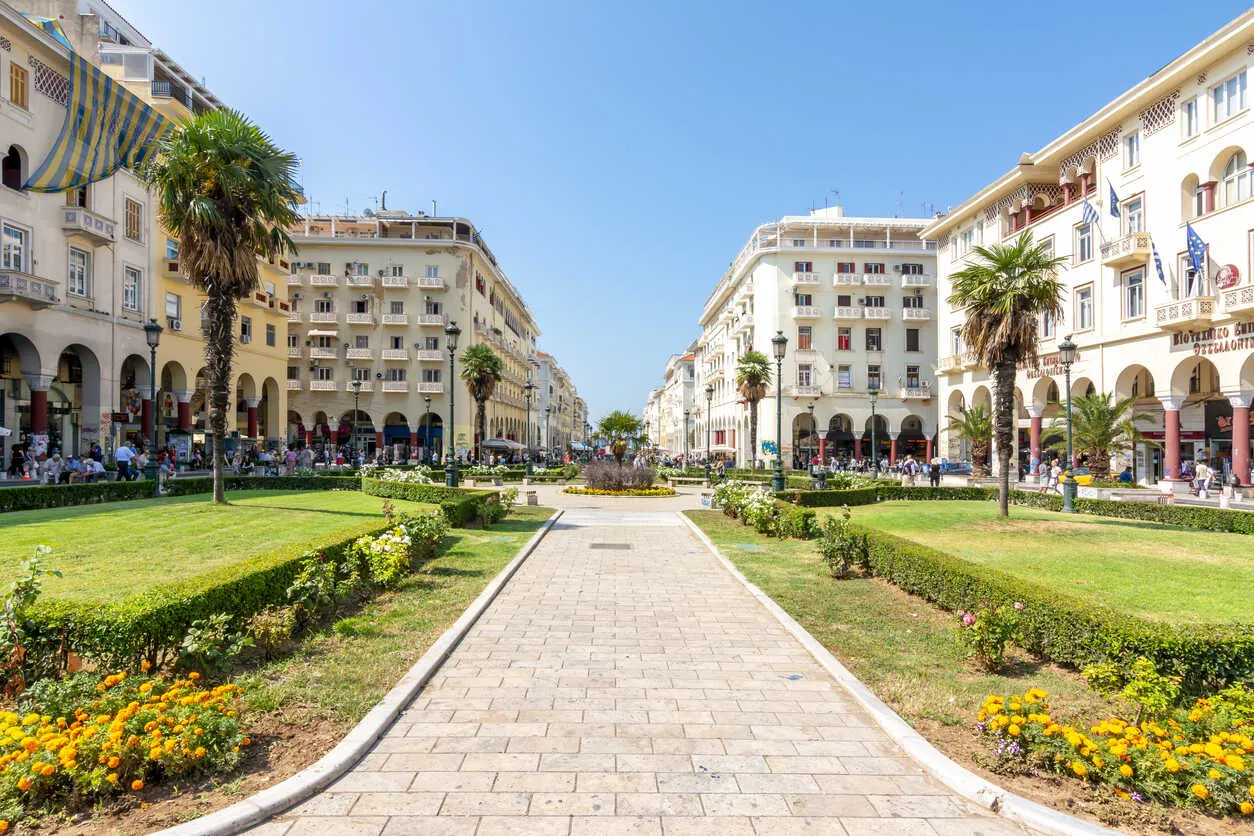
Thessaloniki is warmer in the human sense of the word. The city is more manageable in scale, easier to navigate, and locals are known throughout Greece for their hospitality and their loyalty to their city. The large student population from Aristotle University keeps the energy young, and the cost of living is reasonable. The food culture is arguably the best in Greece, the waterfront is genuinely beautiful, and there is a neighborhood feel even in the city center. The trade-off is fewer international connections, a smaller expat community, and, for some people, a pace that can feel quiet after Athens.
Which City is Right for You?
After living in Greece for over 14 years, I can say that both cities can offer you a wonderful life. The question is what kind of wonderful you are looking for.
Choose Athens if you want the full intensity of a European capital, easy international connections, a large expat community to lean on, and access to the country's best medical care. Be prepared for heat, noise, traffic, and higher prices. Athens rewards people who thrive on energy and stimulation.
Choose Thessaloniki if you want more space, lower costs, extraordinary food, and a city that feels genuinely livable. Be prepared for colder winters, a smaller expat network, and the occasional need to travel to Athens for specialized services. Thessaloniki rewards people who want to slow down and who seek to belong somewhere.
And if you truly cannot decide, Greece has a solution for that, too. It is a small country. Athens and Thessaloniki are five hours apart by car. There is nothing stopping you from trying both.
Get Your Free Greece Report Today!
Get Your Free Greece Report Today!
Learn more about a slower pace of life in Greece and other countries in our free daily postcard e-letter. Simply enter your email address below and we'll also send you a FREE REPORT — Retire in Greece—Find Your Dream Retirement in This European Archipelago.
By submitting your email address, you will receive a free subscription to IL Postcards, The Untourist Daily and special offers from International Living and our affiliates. You can unsubscribe at any time, and we encourage you to read more about our Privacy Policy.