
Last week, while scouting Uruguay, I stood in the foyer of Montevideo’s Sofitel, looking out over the Río de la Plata. I was thinking about Argentina, across the water.
Uruguay is awash with Argentine money. And I see the Argentine diaspora everywhere I go, from Dublin to Miami to Playa del Carmen. What happens if some of those people, and some of that money, start coming home?
A hundred years ago, there was a saying in Europe: “Rich as an Argentine.” Back then, Argentina had a higher GDP per capita than Germany, France, or Italy. When Harrods opened its first store outside Britain in 1914, it didn’t choose Paris or New York. It chose Buenos Aires.
How to Get a European Passport in Three Months
... Getting Citizenship in as Little as 3 Months? (even if you don’t have a European parent or grandparent)
... How to Live in Europe Year-Round on an American Passport Alone (no visa or second citizenship required)
... Why 2026 May Be the Last Year for Easy European Passports for Americans
Then came decades of crisis. Debt defaults. Frozen bank accounts. Inflation that, at its worst, ran into the thousands of percent.
And yet, today something is happening in Argentina that I haven’t seen in all my years tracking and scouting this country.
It’s trying to fix itself properly.
If Argentina turns around, its cosmopolitan capital, Buenos Aires could be one of the great real estate plays of our lifetime…
What’s Changing in Argentina
Argentina has almost everything a country could want: fertile farmland, huge reserves of oil and gas, lithium, copper, and an educated population.
Buenos Aires reflects the wealth this country once enjoyed. Wide boulevards, grand opera houses, Belle Époque mansions designed by French architects…
What held Argentina back was a succession of governments that spent money they didn’t have, printed more, borrowed, and defaulted.
Argentines learned not to trust the banks, the peso, or the government. Instead, they put their savings into US dollars and bricks and mortar. Others built lives overseas.
Now President Javier Milei is attempting to break that cycle.
His government has cut spending, slashed subsidies, and reduced the size of the state. Inflation has fallen sharply from its crisis levels. A new regime for large investments offers tax incentives and legal guarantees intended to attract capital into industries like energy and mining.
The adjustment has been painful. Argentina remains fragile, and it has had plenty of false dawns in the past.
But greater stability could unlock investment in resources that have long been held back by uncertainty—and give Argentines more reasons to build their futures at home.
Buenos Aires sits on the Río de la Plata, across the estuary from safe and stable Uruguay.
What a Recovery Could Mean for Real Estate
If Argentina’s recovery takes hold, I’d watch for two shifts that could bring more buyers into the Buenos Aires market.
First, there’s the diaspora.
I grew up in Ireland in the 1980s, when young people were leaving by the boatload. Then, as the economy turned around in the 1990s, people started coming home.
They brought skills and savings. They started businesses, staffed multinationals, and needed somewhere to live.
Argentina has far more entrenched problems. But there’s an important parallel.
Successful Argentines living in Madrid, Miami, or London could begin thinking about a home back in Buenos Aires. Some might return permanently. Others might buy an apartment with a view to coming back later.
That’s potential demand for established neighborhoods like Palermo and Recoleta.
Then there’s credit…
At the end of 2023, Argentina had about $280 million of mortgages outstanding in a $650 billion economy. Minuscule. Even now, mortgages only add up to around 1% of the economy. Next door in Chile, it’s 28%
For years, buying a home in Argentina has largely meant having enough cash to pay outright. Prices have been set by what that small pool of buyers could afford.
Imagine what happens if ordinary Argentines gain reliable access to mortgages.
Credit has begun returning, although progress has been uneven. If it becomes widely available, the number of people able to buy could expand dramatically.
Why Buenos Aires?
Of all the places that could benefit from a recovery, Buenos Aires is where I’d look to buy first.
In Buenos Aires, you can find spacious apartments in historic buildings, with marble staircases, carved doors, and soaring ceilings, for a fraction of what comparable properties would cost in major European or North American cities.
There’s a finite supply of these homes. You can’t build another century-old apartment building in Recoleta.
If investment grows, credit expands, and Argentines return, I’d want to own prime real estate in the capital, where jobs, businesses, and returning talent concentrate.
And if the turnaround stalls?
You could still own a beautiful apartment in one of the world’s great cities—a place to enjoy its cafés, restaurants, architecture, and walkable neighborhoods.
I recorded a video to explain the full case. In it, I show you three ways to buy in Buenos Aires, from an apartment with private patios in Palermo Soho to a spacious three-bed in Recoleta. Watch the video here.
Join Us in Europe in 2027!
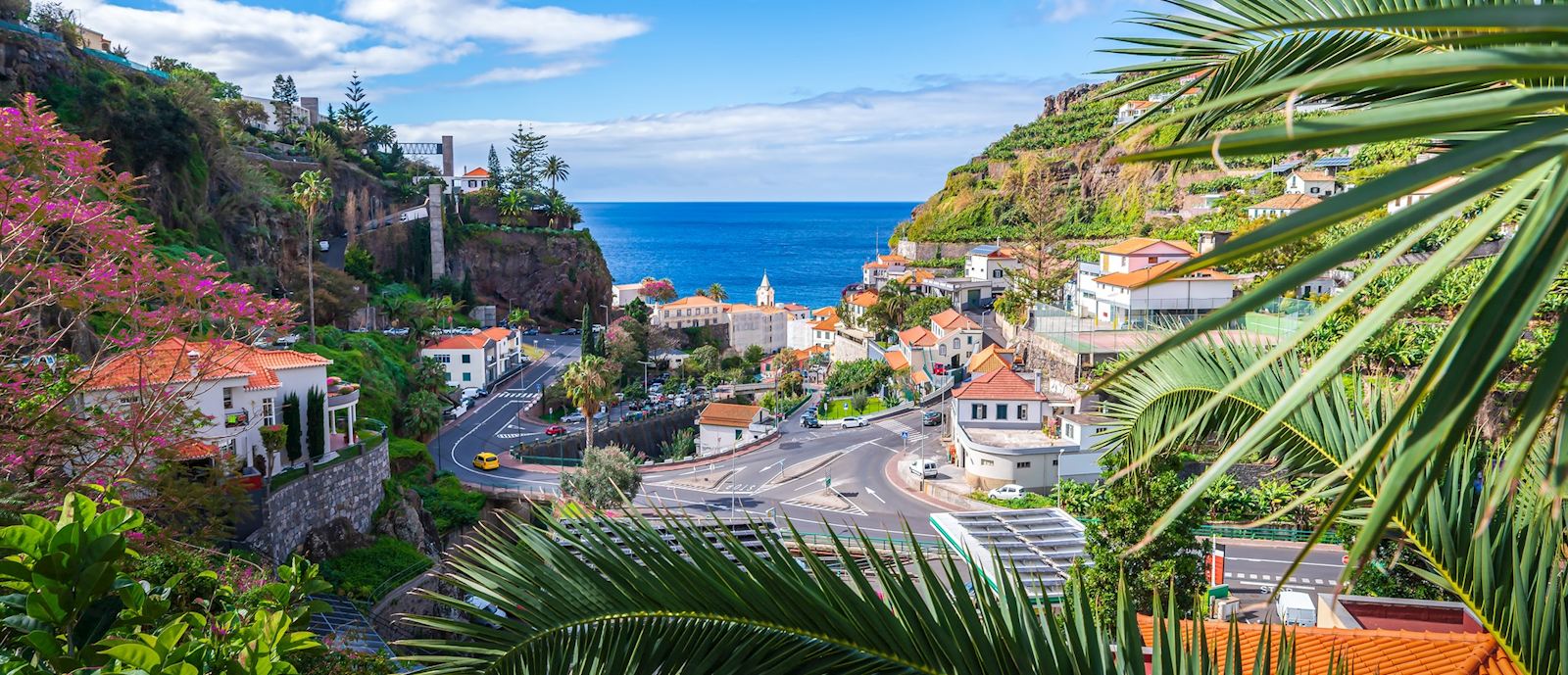
Portugal, Spain, Italy, France, Greece... You’ll find gorgeous, culturally rich cities and towns and beautiful sunny beaches. You can enjoy a high quality of life—yet a surprisingly low cost of living. Starting at $2,500 a month, a couple can live well. With more, you could live large.
If you’ve been dreaming of life in Europe, join us March 20-22, 2027, for International Living’s Fast Track Europe Conference. We’ll meet in Portugal’s sunny Algarve, and our focus will be on Europe’s best destinations to retire better, live well, and spend less.
The World’s Best Retirement Havens for 2026
The World’s Best Retirement Havens for 2026
24 Countries Compared, Contrasted, Ranked, and Rated. You don’t have to be rich to enjoy a pampered retirement, you just need to know where to go. With our 35th Annual Global Retirement Index, our experts hand you a detailed roadmap. Details—and a Special Offer—Here

By submitting your email address, you will receive a free subscription to IL Postcards, The Untourist Daily and special offers from International Living and our affiliates. You can unsubscribe at any time, and we encourage you to read more about our Privacy Policy.
