Reggae music, cold beer, and Russian girls in bikinis playing volleyball on beaches with sand so white it could snowblind you.
In 2001, the Cambodian beach town of Sihanoukville was a pure tropical paradise—a hedonistic haven for backpackers, yoga-hippies, and young men gone L.I.A.—Lost in Asia. On my first visit to Serendipity Beach, I learned to lash a hammock to a coconut tree, fall asleep in a bungalow full of noisy geckos, and say “Yes, I’m single” in five languages.
Fast forward 20+ years, and the scene looked ripped from a dystopian sci-fi movie, complete with abandoned towers, packs of snarling dogs, and hungry children with hollow eyes watching from the shadows. Driving through the city’s north side last summer, I muttered the only words that fit: “What the hell happened here?”
Yet even among the ruins, as we worked our way southward down the coast, I could see that the seeds of a comeback were already sprouting.
The World’s Best Retirement Havens for 2026
The World’s Best Retirement Havens for 2026
24 Countries Compared, Contrasted, Ranked, and Rated. You don’t have to be rich to enjoy a pampered retirement, you just need to know where to go. With our 35th Annual Global Retirement Index, our experts hand you a detailed roadmap. Details—and a Special Offer—Here

By submitting your email address, you will receive a free subscription to IL Postcards, The Untourist Daily and special offers from International Living and our affiliates. You can unsubscribe at any time, and we encourage you to read more about our Privacy Policy.
The Casino Boom
Sihanoukville began a dramatic transformation in the early 2010s. Drawn by the promise of 1.4 billion potential tourists, the government welcomed Chinese investors with relaxed regulations and generous incentives. The result: Sihanoukville quickly became the epicenter of China’s overseas casino push, soon dubbed “Little Macau.”
With gambling banned in China but wildly popular, mainland investors poured in billions, erecting high-rises, casinos, hotels, and entertainment venues almost overnight. The skyline shifted as cranes dotted the coast and casino complexes lined the beaches.
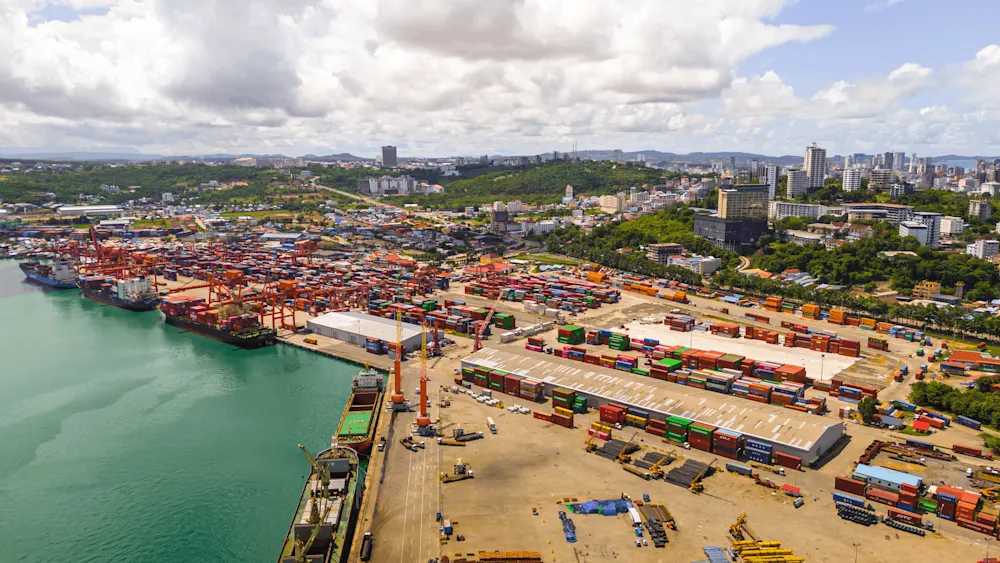
Improved roads, a deep-water port, and an upgraded airport fueled the influx. By mid-2022, more than 100 Chinese-run casinos operated in the city, drawing gamblers from across Asia. The boom reshaped the local economy—tourism surged, GDP growth accelerated, and construction created thousands of jobs. In just a few years, Sihanoukville evolved from a sleepy beach village to a raucous boomtown.
The Turning Point
But the boom didn’t last. Between 2022 and 2024, economic, political, and regulatory pressures triggered a sharp downturn.
Beijing renewed its crackdown on outbound gambling—arresting citizens abroad, freezing assets, and warning tour operators. Cambodia followed with its own measures, citing crime, trafficking, and money laundering. In 2023, Phnom Penh froze new casino licenses in Sihanoukville and revoked many existing ones, limiting operations to border zones and islands.
Even at its peak, the market was overcrowded and poorly managed. With too few high-rollers and rising costs, nearly half the casinos were losing money by late 2023. Many developers, weighed down by state-backed loans, defaulted on and abandoned projects. The skyline of half-finished towers stood like monuments to ambition run amok—waiting for someone with vision to breathe new life into them.
From Bust to Reset
The abrupt withdrawal left Sihanoukville strangely hollow. Casinos shut down, apartment blocks sat vacant, and hotels closed their doors. With construction, hospitality, and services collapsing, cafés, restaurants, and bars went dark. Nightlife vanished, and workers were abruptly dismissed.
Chinese expatriates fled overnight, leaving unpaid bills and half-finished projects. Land prices crashed, triggering loan defaults and a real estate freeze.
The social cost was steep—tens of thousands lost jobs, and public services faltered. But beneath the silence, locals held on, waiting for a chance to rebuild.
Government Intervention and Resurrection
By late 2024, faced with a hollowed-out city, the Cambodian government launched a strategic turnaround. Leaders admitted Sihanoukville needed more than cosmetic fixes—it required a complete reset.
The first step was clearing the slate. The city lost its status as a gaming hub; casino licenses were confined to border and offshore zones, and many operations were shut down. The aim was to halt speculative capital and give urban planners space to chart a new course.
A fresh master plan followed, prioritizing green space, livable residential areas, and small-business corridors over gambling halls. Unfinished towers were told to repurpose, comply, or face demolition.
Stricter environmental reviews also took hold, with coastal erosion, waste management, and stormwater runoff now central to project approval. That breathing room became the foundation for a very different vision.
Reimagining Tourism: Beyond the Slot Machine
For Cambodia, it was like waking from a bad dream. The casino era ended, replaced by a vision to diversify and decentralize tourism.
New investments focus on coastal biodiversity: mangrove replanting, coral rehabilitation, sustainable fisheries, and protected marine zones. Licensing now favors eco-friendly resorts, kayaking, and guided nature tours.
Heritage also took center stage. Funds were redirected to preserve Khmer sites near Ream and Kampot, restore temples, and support village homestays. The new tourism mantra: “make culture, not casinos.” It’s a slogan, yes—but also a promise.
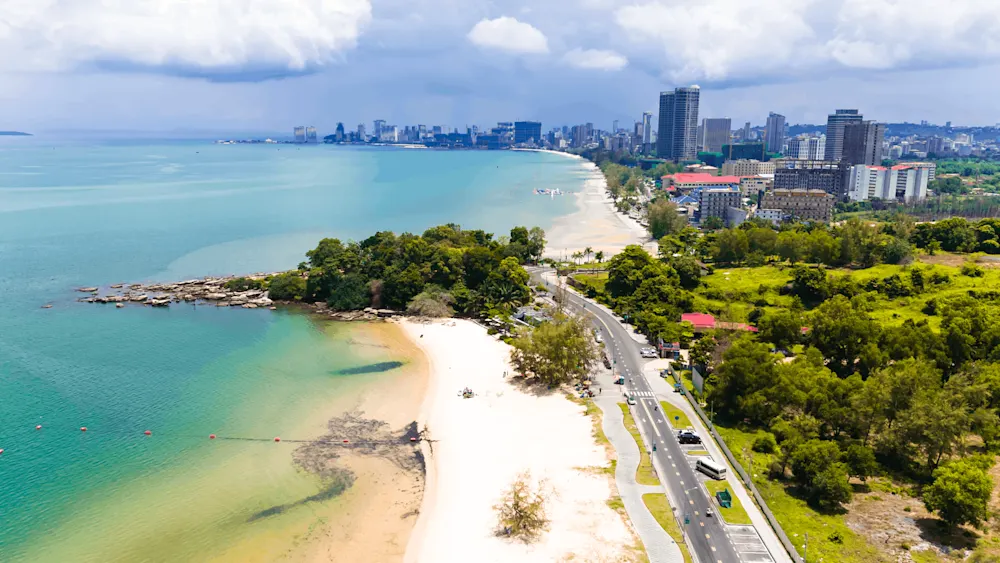
On the ground, beach cleanups, better lighting, and seaside promenades signaled a family-friendly approach. International schools were approved, laying the groundwork for long-term expat residents and digital nomads.
Building a Better Sihanoukville
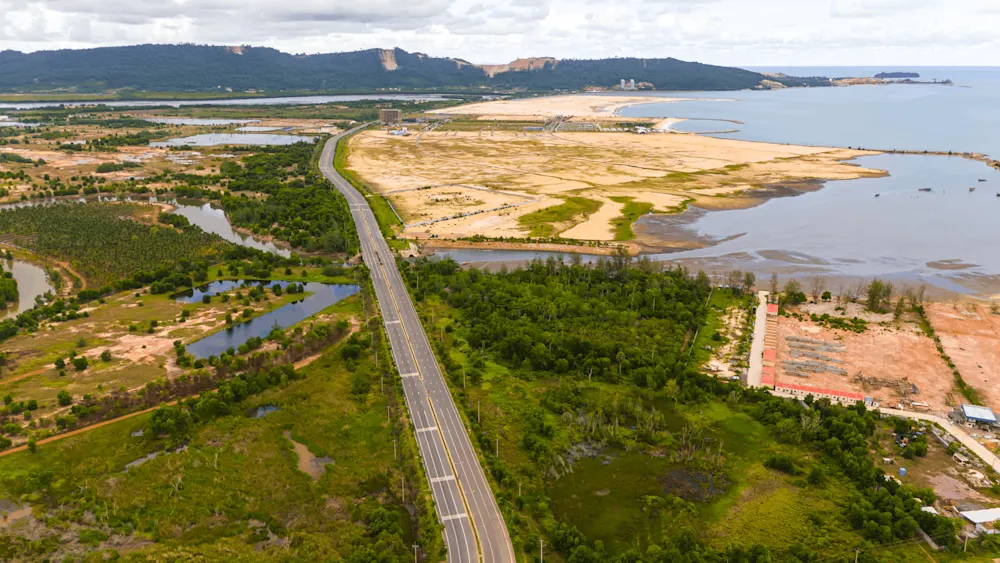
Sihanoukville is being rebuilt with a long-term vision. The Chinese-financed deep-water port expansion is being retooled to serve not just global shipping but also local fishing fleets and domestic logistics, strengthening trade and food security.
New highways now link the city to Phnom Penh and the Thai border, opening the coast to regional tourism and commerce. At the same time, a 5G rollout, nationwide broadband, and upgraded utilities are laying the foundation for Sihanoukville to emerge as a secondary tech and outsourcing hub, backed by ASEAN telecoms and Japanese infrastructure partners.
Real estate is stabilizing. Loan restructuring programs help developers and banks keep projects afloat, while tighter microfinance rules prevent past excesses. Empty casinos are being converted into housing, schools, and clinics. Already, a few towers have reopened as mid-range apartments for teachers and families.
A pilot program with Singaporean planners and Korean builders is even turning abandoned complexes into subsidized housing, with early successes. Transparency reforms, modeled after those in Thailand and Vietnam, provide investors with oversight and boost confidence in the city’s renewal.
Green Shoots of Renewal
Sihanoukville is showing tangible signs of recovery. During my June visit, NGOs and volunteers were clearing debris from Otres and Independence Beach, while mangrove kayaking and dolphin-watching near Ream National Park drew steady Khmer and Vietnamese visitors.
Equally important, locals are embracing the new direction. “Before, everything was too fast. Now, it feels long-term,” said Chan Dara, a café owner who reinvented after the crash.
A real estate agent noted that investor pitches once came from casino junkets; now they come from German hostel groups and Singaporean property trusts. Samnang, a tourism student on the provincial board, put it best: “People laugh at the idea of a second Phuket. But why not? We have beaches, culture, and now we have a plan.”
Environmental Focus: Repairing What Was Lost
Switching from a focus on gambling and nightlife to embracing the natural attractions of this spectacular habitat will require some planning and determination. The Cambodian government has such a plan in place and is moving forward with laser-like focus.
Wetlands, once drained or filled for speculative development, are being restored. Several marshlands near Ream National Park are now protected zones under the new Coastal Watershed Management Plan and are making a strong return to their former state.
Coral reef zones near Koh Rong are under community-led stewardship programs, supported by the Asian Development Bank (ADB) and local fishing cooperatives. A new EU-funded wastewater treatment facility is scheduled for completion in 2026.
Where trash-laden shorelines once stood, children now build sandcastles. The sound of coastal winds howling through half-finished ghost towers is giving way to the splash of paddles and laughter in Kompong Song Bay.
A Good Track Record for Turnarounds: Siem Reap
Say what you will about authoritarian governments, but when they set their mind to something, results can come fast. Just look at Cambodia’s second city, Siem Reap—home to the UNESCO site of Angkor Wat.
During the pandemic lull, Siem Reap reinvented itself, shifting from a sleepy tourist town into a modern hub without losing its cultural soul. Instead of stalling, the government rebuilt an entire city.
The “38 Roads Project” modernized more than 100 km of roads with sidewalks, bike lanes, drainage, and public spaces, improving traffic, flood control, and livability. The opening of Siem Reap–Angkor International Airport in 2023 boosted capacity and global connections.
Two years later, the Siem Reap River Rehabilitation Project—backed by KOICA—added landscaped banks, pedestrian walkways, and lighting, enhancing both sustainability and quality of life.
In addition to its infrastructure, the city is embracing smart growth, featuring AI-driven traffic systems, eco-friendly projects, and a tree-planting initiative that aims to plant 24,000 saplings by 2026. The result is a greener, more efficient city that strikes a balance between progress and heritage.
Once a village straining under three million visitors a year, Siem Reap is now Cambodia’s second-largest metropolis and generates 10% of the nation’s GDP. Expats are taking notice, drawn to a well-planned, welcoming community.
If Cambodia can do it there, it can certainly do it here.
Following Thailand’s Lead
To gauge Sihanoukville’s potential, it helps to examine its neighbor, Thailand, and the ambitious Eastern Economic Corridor (EEC). This mega-project includes a high-speed rail linking Bangkok’s two airports to a third near Rayong, just 220 kilometers from the Cambodian border.
The coastline between Rayong and Sihanoukville is a tropical dreamscape dotted with islands like Koh Chang, Koh Mak, and Koh Kood—soft sands, lush jungles, and thriving wildlife sanctuaries. It’s paradise, whether you’re into snorkeling, monkey-watching, or simply swinging in a hammock.
Sihanoukville is the launch point to Cambodia’s own island gems, led by Koh Rong, with its cinematic beaches, swaying palms, and turquoise waters worthy of a Bond film.
Rather than rivals, these two coasts may well rise together—forming a corridor of protected nature and pristine islands that both countries are intent on developing responsibly.
The New Sihanoukville
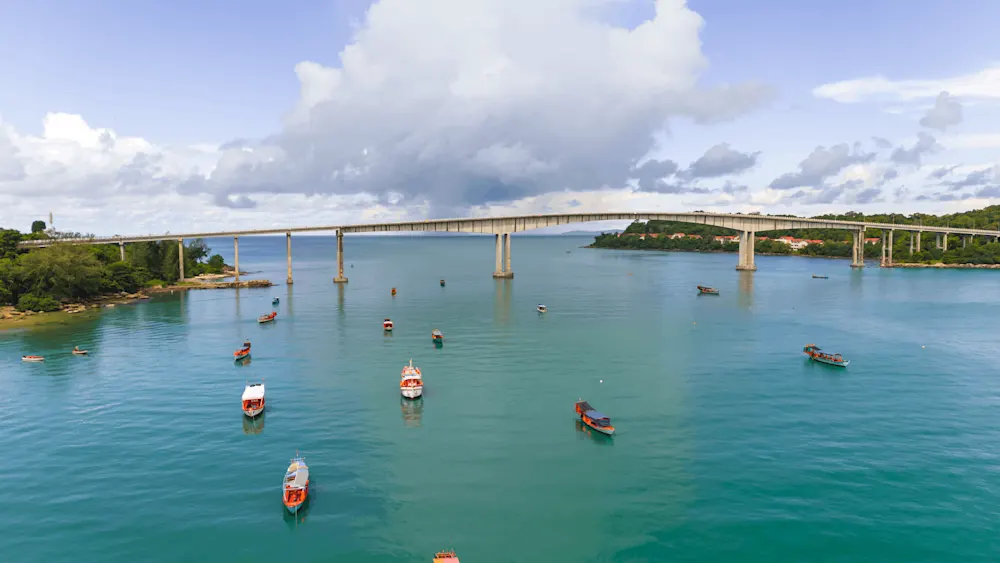
The main streets are repaired, the beaches cleaned, and the city hums with grocery stores, cafés, malls, and restaurants staffed by friendly locals. Sihanoukville isn’t just recovering—it’s reinventing itself.
The change in the property developers’ mindset is impressive. At first glance, it is easy to dismiss the city as “overbuilt,” but in truth, there’s a shortage of livable housing. The Chinese projects of the past weren’t homes at all—just crash pads for gamblers. Today, developers are focused on quality: sustainable designs, modern amenities, and communities built for real lifestyles.
Picture a five-star condo with sweeping sea views, rooftop pools, a fitness center with indoor track, cinema, lounges, kids’ club, meeting rooms—even a cigar bar—all for under $100 per square foot. Add 8%+ rental yields and solid appreciation, and the value becomes clear.
Old shells in the north are being reclaimed while new projects rise, like Times Square 10 at Otres Beach, a modern mixed-use development by seasoned builders.
Shane and Marjorie, Canadians renting a three-bedroom house near the beach for $500 a month, told me: “We bought two units in Times Square 10. It feels like the ground floor of a new city.” Another couple from Texas echoed the sentiment after buying a $130,000 villa: “The past was ugly, but the turnaround is fantastic. We plan to stay and be part of it.”
A Second Chance at Sustainability
Sihanoukville’s story is no longer just about corruption and collapse. It’s proof that even after speculation and greed leave scars, a place worth saving can be nursed back to health.
For travelers chasing nature, this coast is nirvana. For expats, it’s rare ground-floor territory—where a little money, energy, and imagination could go a very long way.
I think back to places I’ve called home that began as promised lands but slowly unraveled. Sihanoukville feels different. Even if a total transformation will take time, the city has seen the worst of it, and rebirth is vigorously underway.
Every tower repurposed, every beach restored, and every kayak slipping into a turquoise bay alive with dolphins brings the city closer to a new future.
Sihanoukville—no longer a tropical Las Vegas, but a paradise rediscovered.
Editor’s Note: This article first appeared in the February 2026 issue of International Living
The World’s Best Retirement Havens for 2026
The World’s Best Retirement Havens for 2026
24 Countries Compared, Contrasted, Ranked, and Rated. You don’t have to be rich to enjoy a pampered retirement, you just need to know where to go. With our 35th Annual Global Retirement Index, our experts hand you a detailed roadmap. Details—and a Special Offer—Here
By submitting your email address, you will receive a free subscription to IL Postcards, The Untourist Daily and special offers from International Living and our affiliates. You can unsubscribe at any time, and we encourage you to read more about our Privacy Policy.