

I hadn’t even heard of Zagreb until I moved to Split on the Croatian coast back in 2021. Dozens of visits later, it’s now one of my favorite Central European capitals.
It’s the kind of city where people stroll unhurriedly through the streets, and there’s an air of peace and safety wherever you go. Summers are packed with festivals, outdoor concerts, beach volleyball, and cooling off in the city’s lakes.
After work, I’ll often grab a beer with friends for a few euros in a quaint local bar or head out for food. Life here is fun, spontaneous, and affordable. Rents are considerably lower than what I’d pay back home in London or on Croatia’s famous Adriatic coast.
Zagreb isn’t flashy or famous like London, Paris, or Barcelona. It’s the kind of place you fall in love with slowly. And for me, that’s exactly why it’s the perfect place to live.
The World’s Best Retirement Havens for 2026
The World’s Best Retirement Havens for 2026
24 Countries Compared, Contrasted, Ranked, and Rated. You don’t have to be rich to enjoy a pampered retirement, you just need to know where to go. With our 35th Annual Global Retirement Index, our experts hand you a detailed roadmap. Details—and a Special Offer—Here

By submitting your email address, you will receive a free subscription to IL Postcards, The Untourist Daily and special offers from International Living and our affiliates. You can unsubscribe at any time, and we encourage you to read more about our Privacy Policy.
Why I Love Zagreb
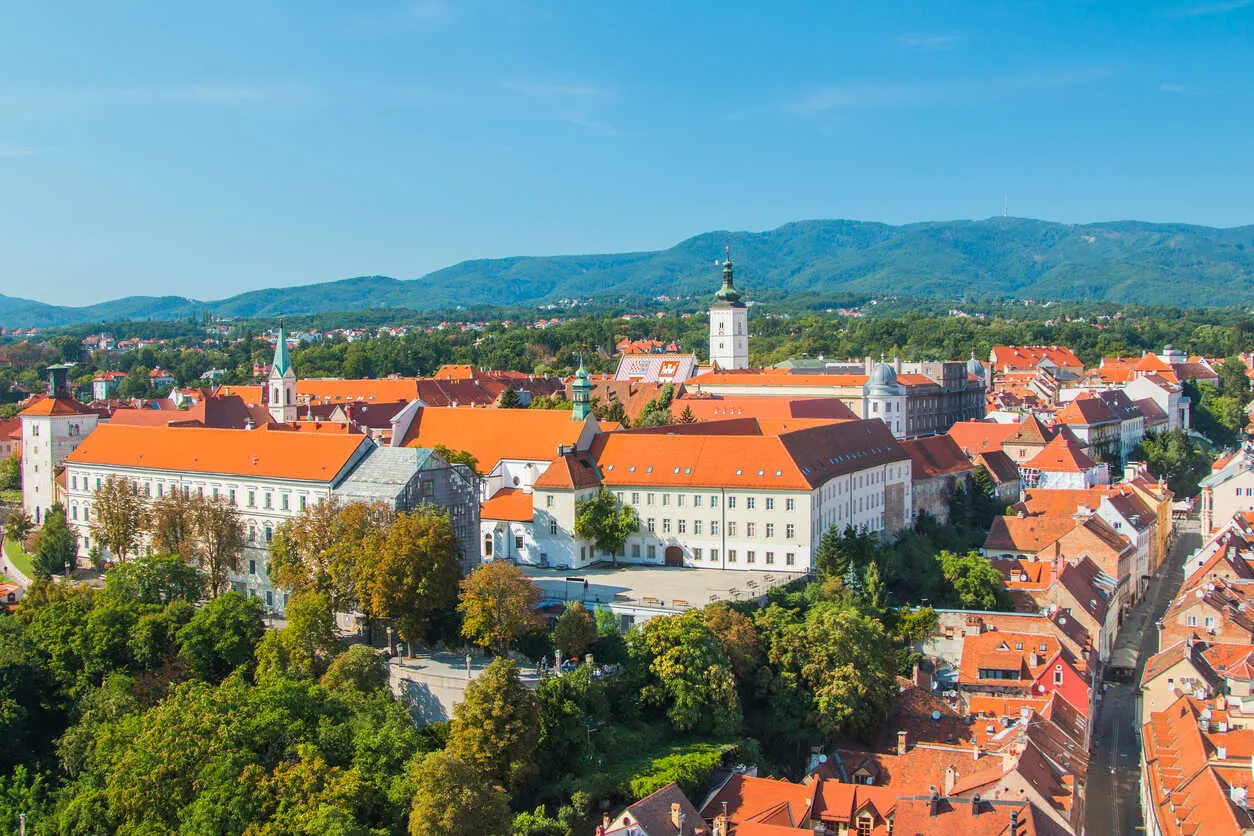
Walk the streets of Croatia’s tourist hotspots like Split or Dubrovnik in winter, and you’ll barely see another soul. But Zagreb is vibrant year-round since it’s the country’s capital and largest city. The streets buzz with students, office workers, and modest numbers of visitors in both summer and winter.
My favorite month is December, when the city decks every street and square with lights for Advent. My weekends are spent catching free concerts by popular Croatian musicians, skating on a large rink in front of the city’s iconic yellow art gallery, or warming up at stalls selling steaming mulled wine and fresh fritule (tiny doughnuts topped with sugar or chocolate sauce).
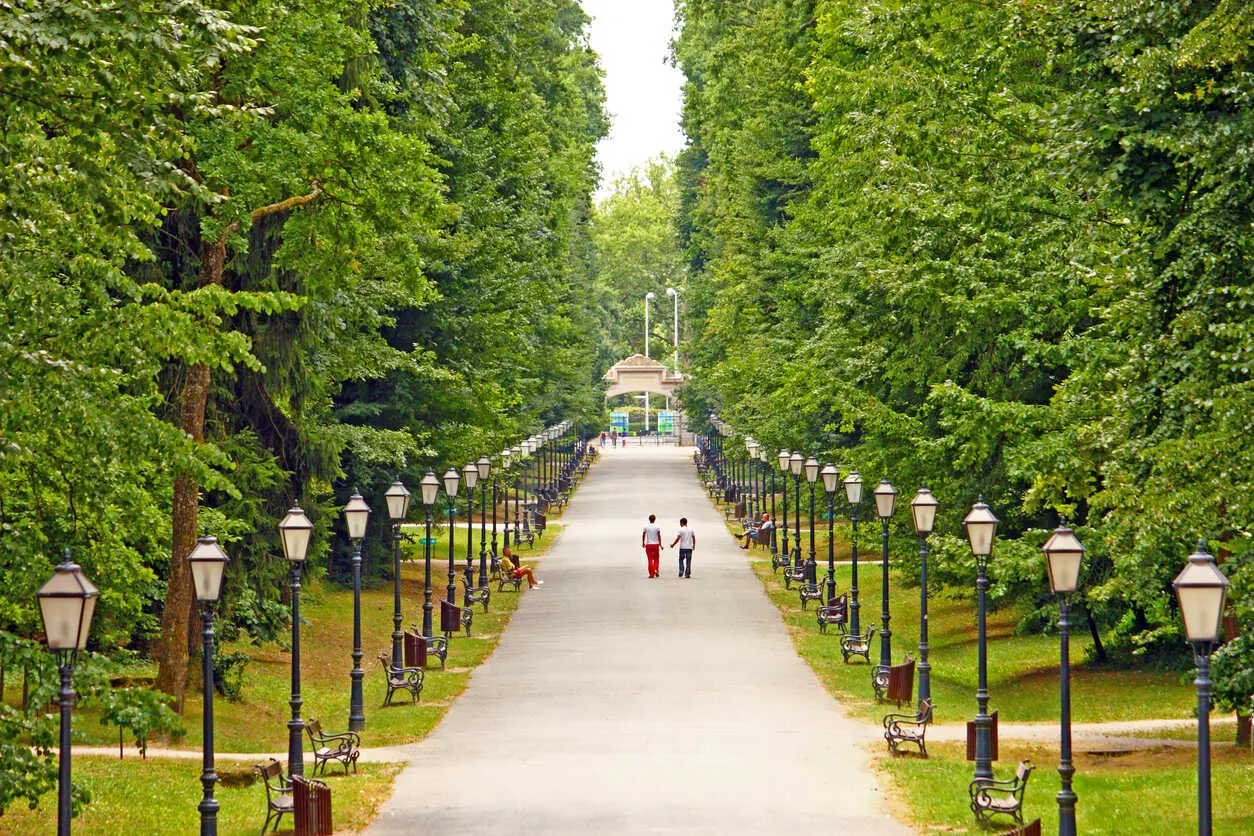
Summer is also lively with open-air concerts, wine festivals, and sports events in the city’s many parks and green spaces. I love wandering through Maksimir Park, opened in 1794 and considered the first public park in southeastern Europe, where paved trails lead to several ponds and pavilions serving ice cream and coffee. It’s even fun in winter, when the lakes freeze, and you can skim chunks of ice across the surface and hear their otherworldly echoes.
International Restaurants and Croatian Comfort Food
If you’re used to eating international food, you’ll find a bit of everything in Zagreb. It’s not London or New York, but I can still find enough spice to keep me happy in between trips home.
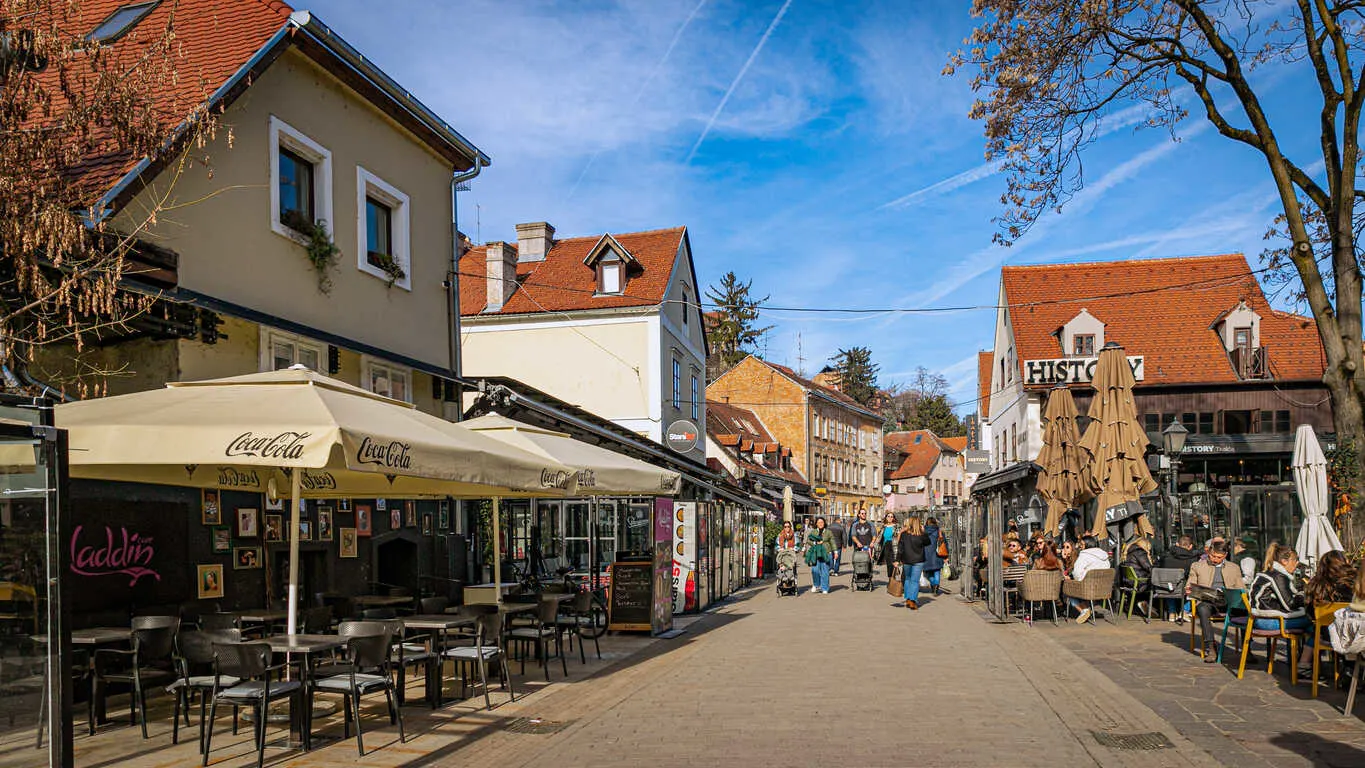
Namaste in the city center is one of the best Indian restaurants I’ve ever been to, and Rosa Thai near the main bus station is a great lunch spot. Kiyomi by Zrinjevac Park is excellent for sushi, while elegant Restoran Izakaya, mentioned in the Michelin Guide, makes a great pick for special occasions.
When I’m craving hearty comfort food, I head to La Štruk, a Zagreb institution dedicated to the art of štrukli—thin dough filled with cottage cheese and sour cream, baked or boiled. It’s best washed down with a shot of rakija at Rakhia Bar on Zagreb’s bustling Tkalčića Street, which offers hundreds of varieties of Croatia’s most famous spirit.
Another favorite local spot is Stari Fijaker (“Old Carriage”), serving Croatian classics since 1848. It’s the perfect place to try dishes like sarma (cabbage leaves filled with minced meat) or punjena paprika (stuffed peppers simmered until tender).
A Packed Schedule of Cultural Events
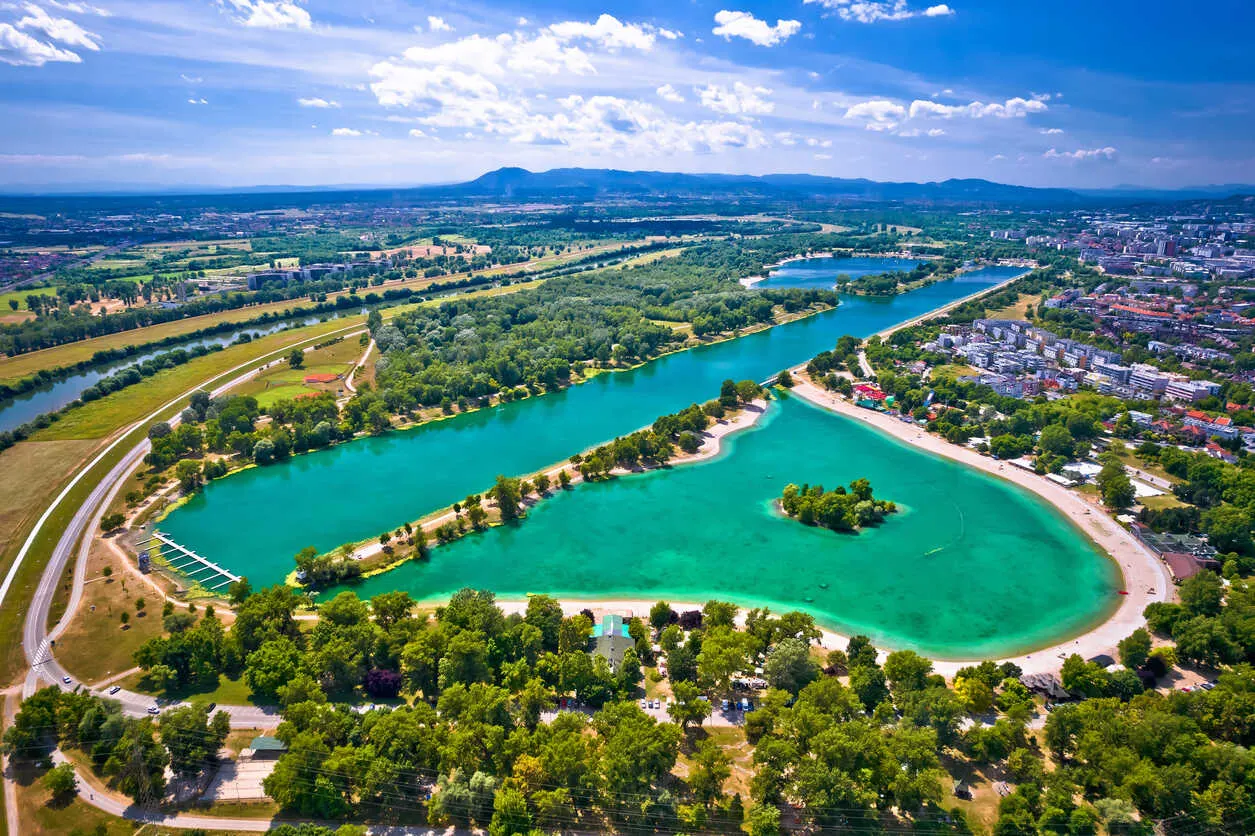
Zagreb is about two and a half hours from the seaside resorts of Opatija or Crikvenica, both great weekend trips. When I don’t feel like leaving town, I head to Jarun Lake, where you can swim in summer, use the public grills for barbecues, and play beach volleyball year-round.
Jarun also hosts big festivals like InMusic in June, which brings major international acts. Next year, Kings of Leon are headlining. Previous performers include The Cure, The Killers, and Nick Cave.
There’s always something happening—Elton John, Coldplay, Ed Sheeran, and Beyoncé have all played at Zagreb Arena. For something smaller, you can catch smooth jazz at Bacchus Bar. Zagreb is also known for its craft beer, and you can visit The Garden Brewery in the center of town for tastings, taproom tours, and live music.
Whenever my sister visits, she loves Zagreb’s quirky museums, like the Museum of Broken Relationships. Their collection is composed of donated items from failed relationships, and it’s surprisingly moving. Other top attractions include the 80s Museum, housed in an original Yugoslav-era apartment, and the enormous Museum of Contemporary Art, which features a double-slide exit by German artist Carsten Höller.
Affordable Cost of Living
Another big bonus for expats and retirees is that life in Zagreb is more affordable than on Croatia’s Adriatic coast. A typical two-bedroom apartment in the city center rents for $900 to $1,000 per month, while a three-bedroom house with a yard a little farther out costs $1,200 to $1,500.
I find everyday expenses similar to Germany or the U.K., with a week’s worth of groceries totaling about $80 to $100 for two people. Coffee is just a couple of dollars, and a beer in a local bar runs $4 to $6. Expect to pay $20 to $30 per plate in nicer restaurants and around $10 for street food like ćevapi (small grilled minced sausages served in flatbread).
For those earning income from abroad, such as a U.S.-based remote job or rental income, Croatia’s Digital Nomad visa offers another perk: you won’t pay tax in Croatia while on this permit. You can stay for up to 18 months with the option to renew for another 18 months. Alternatively, you can apply for a 12-month stay based on prepaid rent and reapply after a six-month break.
Zagreb is One of Europe’s Safest Cities
Safety wasn’t even something I had to think about when choosing where to live in Zagreb, since Croatia is one of the safest countries in Europe. I prefer living close to the city center, where most of the international restaurants and interesting boutiques are located.
My top picks would be Gornji Grad (the Upper Town), with its charming cobblestone streets and historic houses, or Donji Grad (the Lower Town), where you’ll find streets overflowing with bars and restaurants.
Several of my friends have recently relocated to smaller towns close to Zagreb for a slower pace of life or to raise their kids. One of my favorites is Samobor, a historic city with pretty pastel Austro-Hungarian architecture. It’s also famous for kremšnita, a thick and delicious cream-and-custard cake.
Quality Healthcare and Infrastructure
As Croatia’s capital, Zagreb is the best place in the country for medical care, infrastructure, and education. Most expats choose private health insurance, which typically costs $200 to $300 per month, depending on your medical needs and history. Public healthcare is available to those working for Croatian companies, although wait times can be long and facilities are more basic than what you may be used to back home.
Zagreb is a medium-sized city by European standards, with about 800,000 inhabitants. This makes it easy to get around by car or public transport. I love riding the tram, it’s clean, efficient, and perfect for short hops around town. The city center is flat and bike-friendly, and much of the Upper and Lower Town is pedestrianized, making it a pleasure to linger over a coffee or take a slow wander.
Croatia also has an excellent network of highways connecting the capital with the Adriatic coast and nearby countries like Slovenia and Hungary. You could be skiing in the Slovenian Alps in the morning and sunning yourself on a Croatian island in the afternoon, and back in Zagreb by evening. It’s a great base for exploring Central Europe and the Balkans.
Every couple of months, I take a road trip with friends to chase Bosnian waterfalls, check out Albanian beaches, or cozy up in a cabin in the wilds of Serbia. Closer to Zagreb, there are plenty of day-trip options, including the world-famous Plitvice Lakes, the baroque town of Varaždin, or vineyard visits at Zagorje’s many wineries just north of the city.
Should You Move to Zagreb?
When I speak to people who want to move to Europe, almost no one has heard of Zagreb. It’s still an insider’s secret when it comes to safe and affordable European capitals. If you’re an expat or retiree looking for an elegant, cultured city with a relaxed pace of life, Zagreb ticks all the boxes.
Just don’t tell everyone.
The World’s Best Retirement Havens for 2026
The World’s Best Retirement Havens for 2026
24 Countries Compared, Contrasted, Ranked, and Rated. You don’t have to be rich to enjoy a pampered retirement, you just need to know where to go. With our 35th Annual Global Retirement Index, our experts hand you a detailed roadmap. Details—and a Special Offer—Here
By submitting your email address, you will receive a free subscription to IL Postcards, The Untourist Daily and special offers from International Living and our affiliates. You can unsubscribe at any time, and we encourage you to read more about our Privacy Policy.