After 25 years in Thailand, I’ve seen the same mistake over and over: new arrivals pick the wrong place, waste precious time and money, and struggle to recover from that first impression.
In a country this big and diverse, it’s an easy mistake to make.
Thailand is roughly the size of Spain—you’d have to combine California, Oregon, and Washington to match it. From misty mountains to megacities to lush, jungle-clad islands, the sheer number of choices can overwhelm even seasoned travelers.
With so many options, it’s easy to bounce from place to place chasing the “perfect” spot—only to come away frustrated, or worse, ready to write Thailand off entirely.
The solution? Start smart. Before you book your flight or choose your first base, it pays to know which places are the most likely to derail your experience.
In general, they fall into three categories.
Your chance to retire overseas now
Your chance to retire overseas now
Learn more about Thailand and other destinations by signing up to our daily IL Postcards e-letter and we'll immediately send you a free report: 20 Countries Compared, Contrasted, Ranked, and Rated.
You don’t have to be rich to enjoy a pampered retirement, you just need to know where to go.
With our 35th Annual Global Retirement Index, our experts hand you a detailed roadmap. Details and a Special Offer Here!

By submitting your email address, you will receive a free subscription to IL Postcards, The Untourist Daily and special offers from International Living and our affiliates. You can unsubscribe at any time, and we encourage you to read more about our Privacy Policy.
1. Tourist Traps to Avoid
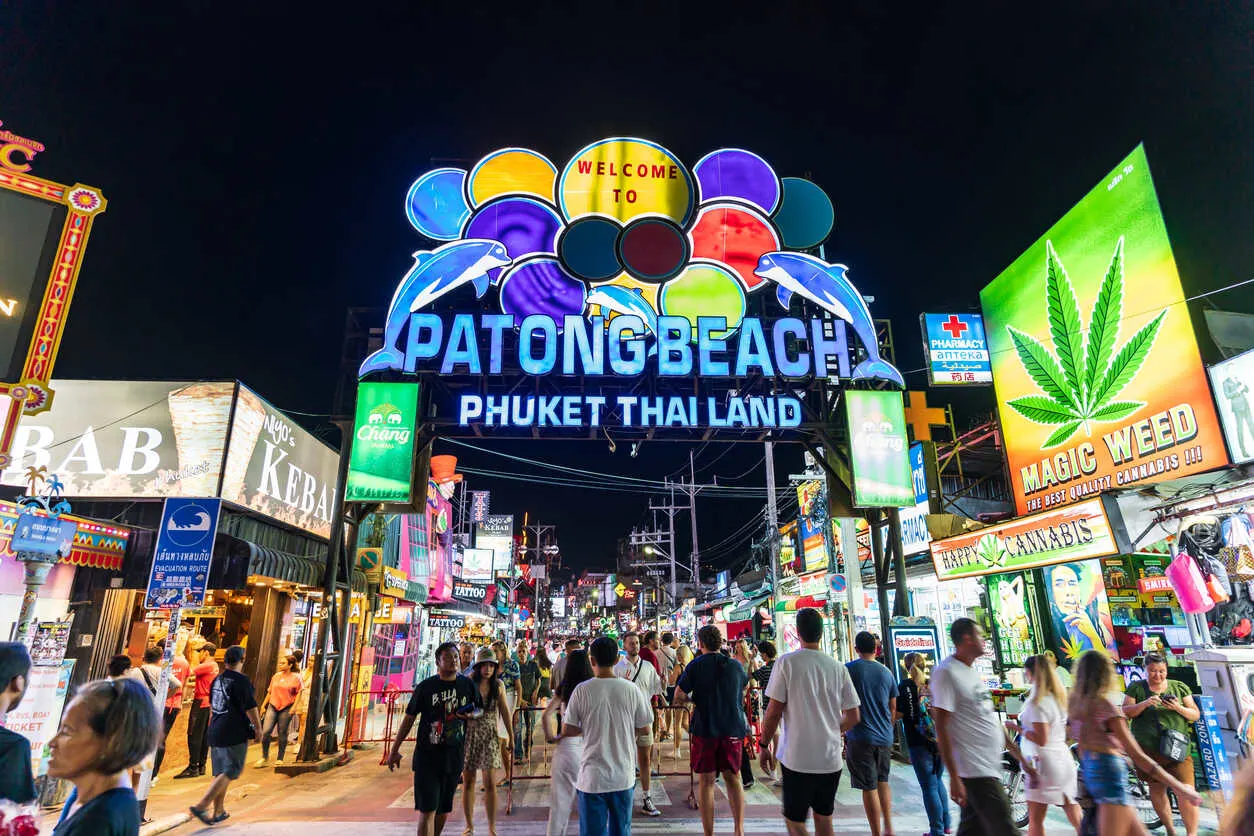
Over 20% of Thailand’s GDP comes from its robust tourism industry. Some of the world’s most exclusive five-star luxury resorts can be found here, along with numerous examples of forward-thinking eco-tourism venues. But take the low road, and you’ll encounter garish displays of cheap, inauthentic package-tour destinations, ranging from mildly disappointing to deeply underwhelming.
While some of these locales can be great places to live near, thanks to infrastructure, shopping, healthcare, and entertainment, they can leave a poor impression on first-time visitors because they offer a distinctly inauthentic experience. Arriving with a head full of expectations and aspirations can quickly turn into that dejected feeling that you’ve lost time you could have spent discovering something better.
At the top of that list is Pattaya, the notorious seaside party town two hours south of Bangkok on Thailand’s Eastern Seaboard. Once a tranquil fishing village, it became the R&R destination of choice for U.S. troops during the Vietnam War, earning its long-standing reputation as Thailand’s ‘brothel-by-the-sea.’
Even though the greater Pattaya area has evolved into a modern and thriving city with a multifaceted tourism portfolio, the hedonistic atmosphere along Pattaya Beach Road and the infamous Walking Street has only intensified. Many visitors in search of a party are shocked to discover that it’s far wilder than they expected.
Beyond the uncomfortable prospect of mingling with the more seedy side of the tourism scene, new arrivals are often overwhelmed by double-decker buses packed with tourists. During the chaotic high season, the traffic, noise, and general incivility can be enough to put anyone off Thailand entirely.
I recommend nearby areas like Jomtien Beach, Pratumnak Hill, and Bang Sare, which offer completely different vibes and a gentler version of Thailand’s sea-sand-and-sun lifestyle. That said, if you’re a world-class people watcher like me, the spectacle of Pattaya Beach can be hard to resist. Just make sure your home base is near the neon madness—not in the middle of it.
You’ll find a similar dynamic in Patong on the island of Phuket. Phuket is Thailand’s premier island destination and home to many of the country’s more affluent expats. Swanky villas, exclusive yacht clubs, and spectacular golf courses should define your Phuket experience. But if you choose to stay in Patong Beach, you may come away thinking it’s nothing more than go-go bars, drunken tourists, and endless shops trying to sell you a tailored suit.
Fortunately, you can enjoy all that Phuket has to offer without ever setting foot in Patong. It’s not the island’s commercial center, and alternative beach areas like Kamala, Kata, and Rawai are worlds apart. I lived in Nai Harn Beach for two years before even discovering Patong. Phuket is fantastic. Patong can feel overwhelming and off-putting.
A similar atmosphere plays out at Chaweng Beach on Koh Samui. How do you know if a place falls into the “trashy tourism” category? A nightly fire show on the beach is usually a giveaway. So are inflated food and drink prices.
The good news is that Koh Samui is a large island, and you don’t have to go anywhere near Chaweng to enjoy it. Mae Nam, Bophut, and Lamai offer nicer beaches, friendlier locals, and far more reasonable prices. In fact, the best thing about Chaweng is how easy it is to avoid.
If you land in any of these highly touted hotspots on your first trip to Thailand, you might leave feeling disappointed—or even annoyed. But don’t write off Phuket, Koh Samui, or the Eastern Seaboard entirely. All three are excellent places to visit and live—just steer clear of the tourist traps.
2. “Zen” Spots That Wear Thin
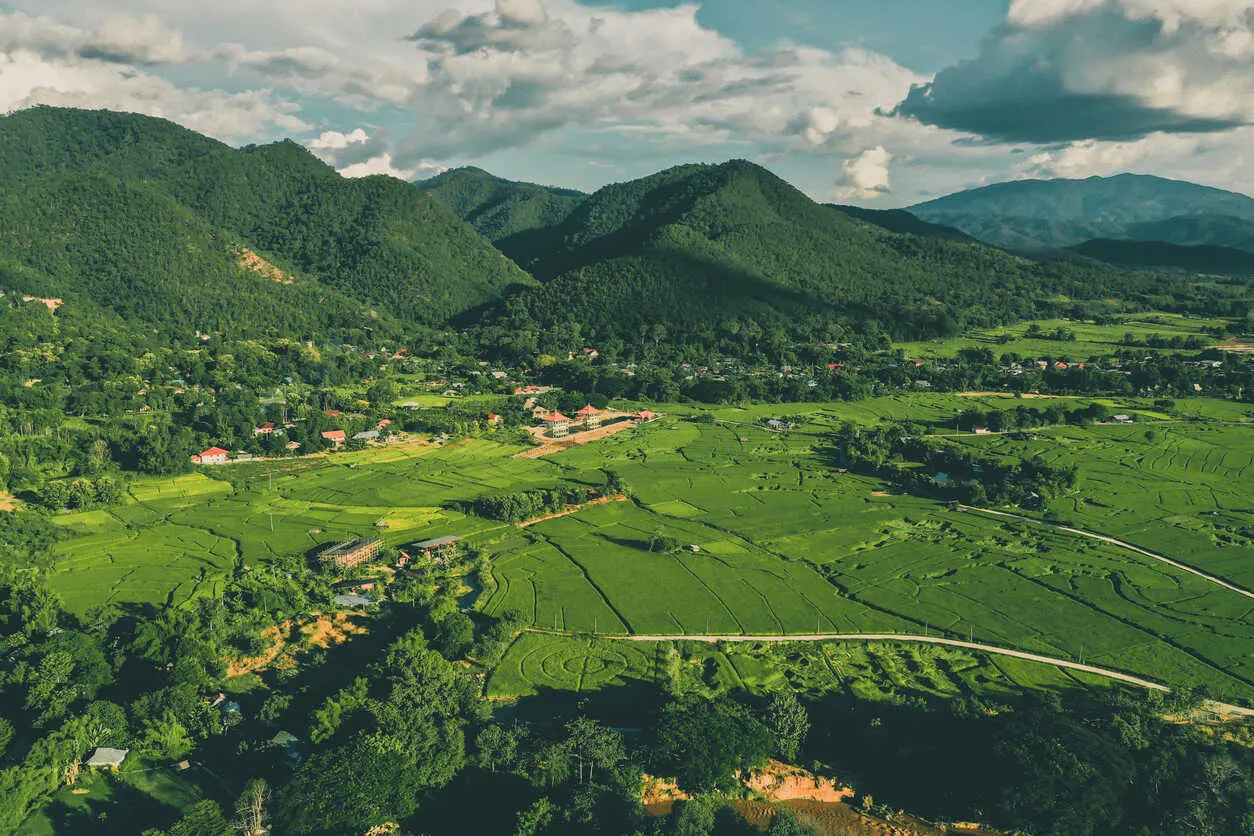
Travelers seeking spiritual growth, creative freedom, and a zen-like experience tend to gravitate toward certain pockets of Thailand. Old-timers like me call them “yoga hippie” enclaves—a natural evolution of the backpacker scene. While these havens can be charming at first, the patchouli-scented appeal tends to wear thin over time.
Pai, in northern Thailand’s Mae Hong Son province, is a prime example. It’s a magnet for youth hostels, yoga retreats, sound baths, and handpan lessons, a true hipster haven. The tranquil setting and abundance of vegan cafés can lower anyone’s blood pressure.
But after you’ve walked the bamboo bridge, soaked in the hot springs, and watched the sunset at Pai Canyon, the Boho dream begins to fade, and Pai can start to feel a bit… dull.
In my experience, expat communities in these places can also be somewhat cliquish and difficult to break into. Pai’s expat crowd tends to skew younger with artists, dreamers, and former digital nomads checking it off their bucket list.
What’s more, the cultural experience often feels diluted by a kind of contrived authenticity that becomes obvious once the incense smoke clears. By all means, explore the Golden Triangle—Chiang Rai, Mae Sai, and Nan—but don’t devote too much time to Pai.
The town of Haad Rin Beach, on the island of Koh Phangan, tries to project a similar zen vibe, but adds a heavy dose of hallucinogens, alcohol, and relentless EDM. The monthly Full Moon Parties are legendary among the trance-loving crowd.
Each month, 20,000 to 30,000 revelers descend on the island from Koh Samui, paint themselves in neon colors, and gyrate through the night, fueled by buckets of Sang Som Whisky and Red Bull.
Haad Rin is either preparing for or recovering from these parties, making it chaotic most of the time. Thankfully, it’s easy to avoid. Koh Phangan has over 30 beaches, and they only get cleaner, quieter, and more relaxing the farther you go from the party scene.
Villages like Srithanu, Haad Salad, and Chaloklum offer a completely different experience, one defined by tranquility and a surprisingly diverse expat community living life on their own nonconformist terms.
3. Overrated Destinations
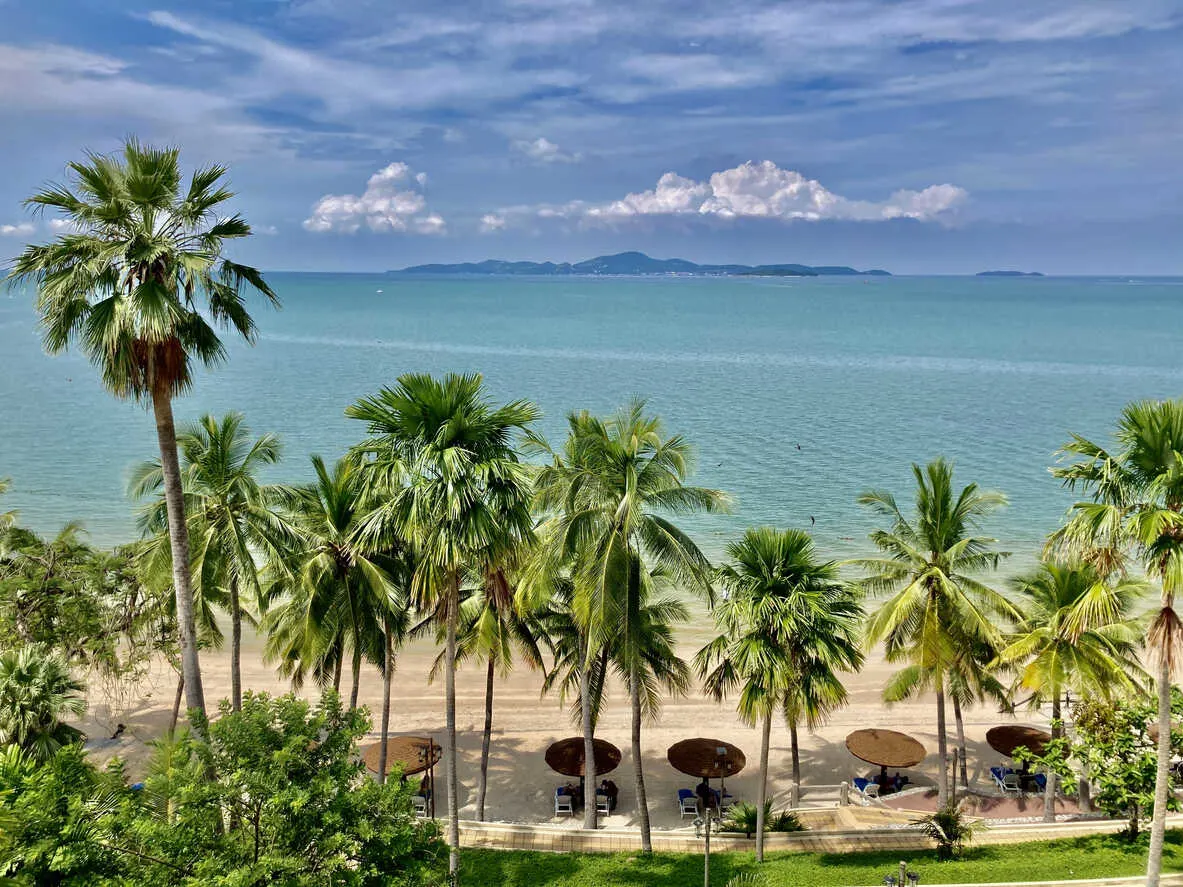
There are also a couple of places in Thailand that are wildly popular with tourists and expats, but in my opinion, are overrated.
Hua Hin, a beach town on the Western Seaboard, is known for its white sand beaches, world-class golf courses, and laid-back vibe. In fact, it may be a little too laid-back. Among seasoned expats, the mere mention of Hua Hin often draws a yawn—it has a reputation for being, well… boring.
Living there can feel like a whipsaw. During the week, the town is quiet to the point of lifelessness. Then, on weekends, waves of Bangkok residents descend, turning it into a gridlocked mess. Beaches get crowded, cafés fill up, and the shoreline is left littered in the aftermath. By Monday morning, it’s back to sleepy, only now with murky water and debris-strewn sand.
If you’re looking for a very quiet, slow-paced lifestyle or a dedicated golfer, Hua Hin might suit you perfectly. But for most people, the nearby coastal village of Cha Am, just 20 kilometers up the road, is a better option. It offers cleaner beaches, a better vibe, and more affordable living.
Then there’s Chiang Mai, often at the top of any Thailand itinerary. With its majestic mountains, ancient temples, thriving café culture, and large expat population, it seems to have it all.
And to be fair, it’s a wonderful place. I’ve lived there myself and enjoyed it immensely.
However, anyone considering a visit to Chiang Mai should be aware of the “burning season.” From February through April, agricultural burning in the surrounding region blankets the city in thick smog. During this time, Chiang Mai routinely ranks among the most polluted cities in the world. Air quality becomes hazardous, visibility drops, and outdoor activity can be difficult and even dangerous.
On top of that, the city’s rapid growth hasn’t been matched by infrastructure improvements. Traffic congestion is a daily frustration, and public transportation is virtually nonexistent. Without a car, residents rely on songthaews, tuk-tuks, and ride-hailing apps.
If the government ever manages to curb the burning and invest in modern transportation, Chiang Mai would easily reclaim its spot as one of Thailand’s best places to live. Until then, I’ll take Chiang Rai or Nong Khai for a more livable northern experience.
The Right Places
Thailand is one of the most rewarding countries in the world, but it’s important to start in the right place.
Get it wrong, and you can waste time, burn through money, and walk away wondering what all the hype was about. Get it right, and everything falls into place much faster.
Remember, for every overcrowded party strip or overrated hotspot, there’s a quieter, more authentic alternative nearby, places where the culture, natural beauty, and quality of life still shine through.
Start smart, and you’ll see why people fall in love with Thailand. Start wrong, and you may never come back.
Editor’s note: For a deeper look at where to base yourself, see Bart’s guide to the best places to live in Thailand.
Your chance to retire overseas now
Your chance to retire overseas now
Learn more about Thailand and other destinations by signing up to our daily IL Postcards e-letter and we'll immediately send you a free report: 20 Countries Compared, Contrasted, Ranked, and Rated.
You don’t have to be rich to enjoy a pampered retirement, you just need to know where to go.
With our 35th Annual Global Retirement Index, our experts hand you a detailed roadmap. Details and a Special Offer Here!
By submitting your email address, you will receive a free subscription to IL Postcards, The Untourist Daily and special offers from International Living and our affiliates. You can unsubscribe at any time, and we encourage you to read more about our Privacy Policy.