We were floating in the Sea of Cortez just outside La Paz, Mexico.
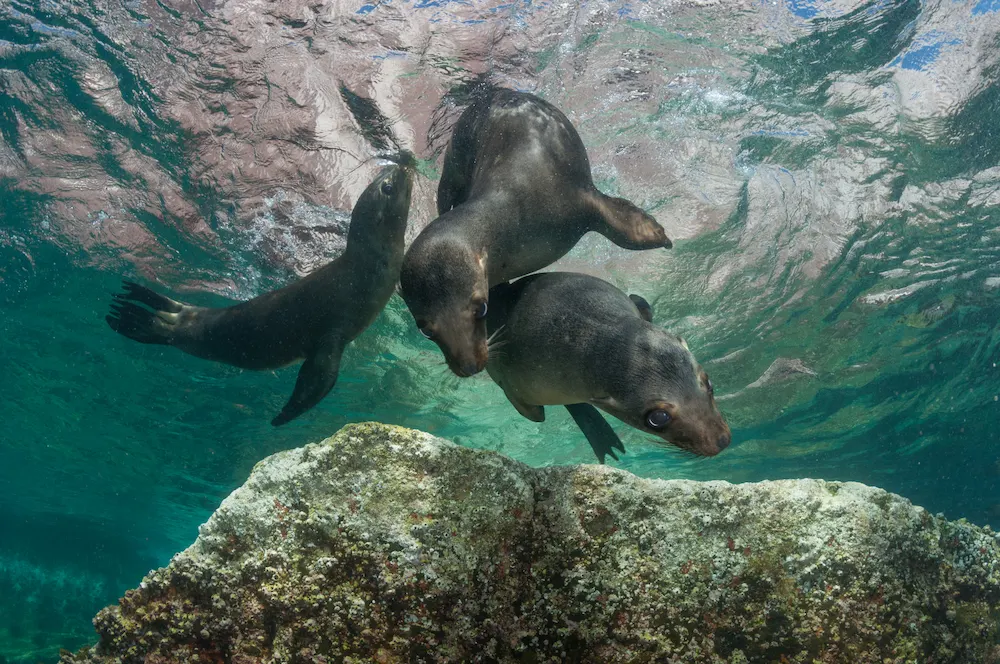
The water was a magical aqua blue that felt like it came right out of Avatar. Then we heard the unmistakable throaty bark of a male sea lion.
Our guide wordlessly motioned for us to swim to him while putting a finger over his lips, reminding us to stay quiet.
We were approaching a group of baby sea lions clustered together for protection. And Big Bubba was their guardian, there to make sure we bided by his rules. As if this were a time for rebellion.
Ok, maybe they are unspoken rules; I mean, who speaks sea lion? But our guide knew that if we got too close, we’d have Big Bubba to deal with.
We tentatively approached the huddled group of about 25 babies and watched in awe as they moved slowly towards us as one.
Many in the group had one flipper out of the water as if they were waving to us to come over and play. But it’s to regulate their temperature, like a built-in thermostat.
As the three of us watched from about five feet away, a couple of sea lions broke from the group and approached us. Whiskered snouts on top of the water, one eyeball looking at us, looking at them. I was frozen. Holding my breath. Not out of fear, but sheer giddiness.
Then one decided to swim right in between us, and into the camera.
La Paz, Mexico, is one of a handful of places where swimming with baby sea lions is just part and parcel of living there. You can do it nearly year-round, except for the breeding season from June through August. No one wants to mess with Big Bubba getting his love on.
Get Your Free Mexico Report Today!
Get Your Free Mexico Report Today!
Learn more about Mexico and other countries in our daily postcard e-letter. Simply enter your email address below and we’ll send you a free special report – Mexico: The Perfect Close-to-Home Retirement Haven.

By submitting your email address, you will receive a free subscription to IL Postcards, The Untourist Daily and special offers from International Living and our affiliates. You can unsubscribe at any time, and we encourage you to read more about our Privacy Policy.
A Capital That Feels Like a Village
La Paz is the capital of Baja California Sur, a Mexican state on the Baja Peninsula.
I didn’t think I would like the dry, arid desert topography of La Paz. But at every turn, I just kept repeating how stunning the landscape is. The bone-dry mountains have various shades of caramel brown, dotted with green cacti, tumbling down into lunar-like rock formations that ooze into the most translucent turquoise sea. It’s breathtaking at every turn. And that’s just the view from town.
La Paz is under the radar. The wide streets feel empty, at times even desolate. Even downtown feels sleepy. There is a calm in the air, a zen feeling you would think a city of 300,000 people wouldn’t have.
Downtown is a flat grid of wide streets delightfully free from cobblestones. There’s not a high-rise in sight in the centro zone, although a few are going up in the hills behind the downtown area. It’s mostly two- and three-story buildings.
Beautiful art murals line the streets, but so does quite a bit of graffiti. Along with a lot of commercial buildings that have been left empty since the pandemic.
My perspective on this is twofold: One… The town is ready for new construction. It’s on the verge of becoming an emerging hotspot just waiting for its time. And two… It feels rundown. Walking past dilapidated buildings doesn’t feel very safe, especially at night on some of the darker streets.
However, after interviewing some elderly ladies who live downtown, they all said they feel safe, even when going out alone at night. Not one had a scary story to tell.
So, it may look a bit ramshackle in places, but it’s just a matter of time before the buildings become boutique hotels or condos catering to the market.
The Local Rhythm: How Paceños Move Through the Day
In La Paz, the daily rhythm is ruled by the desert sun.
Wake up early, hit the Madero or Bravo Market for your weekly shop. Sure, you can go to the many nice supermarket chains in town, but these markets are where you’ll get a taste of local life.
Plus, it’s where you can get a vampiro juice—fresh oranges, carrots, and beets with lemon. The beet juice turns it blood red. It looks dramatic, but it’s a very responsible breakfast.
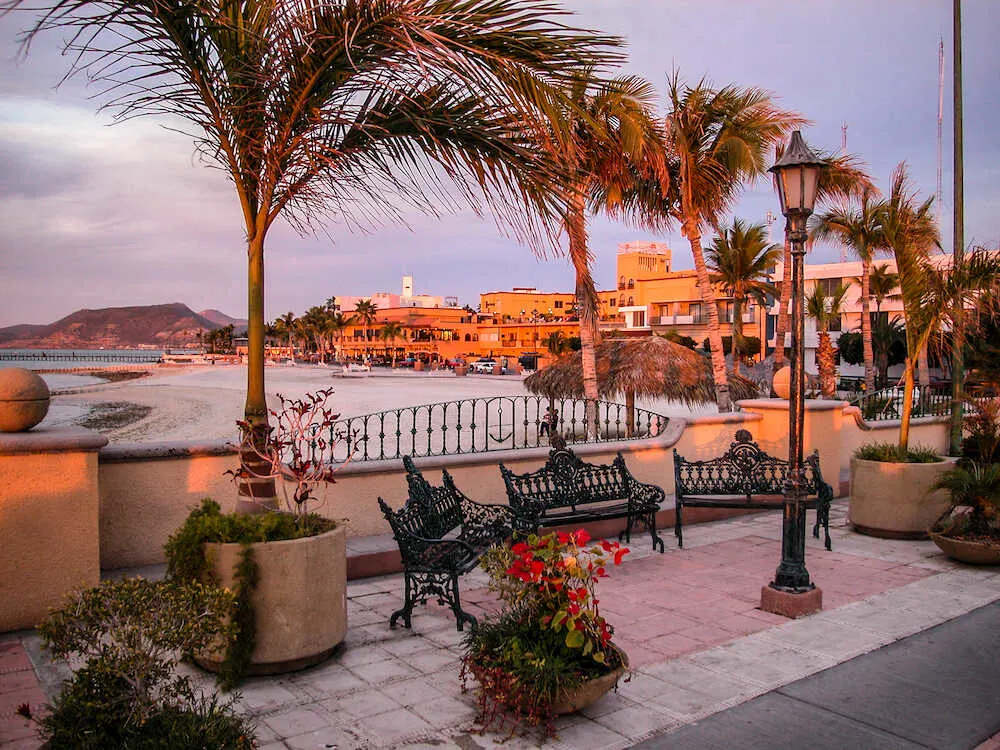
After you get your healthy start and your chicken, walk over to Doce Cuarenta, a local coffee shop, and grab your caffeine fix before setting out for the malecon. The entirety of downtown is lined by a three-and-a-half-mile boardwalk running parallel to the sea. The pale golden beach it fronts has barely a person lying on it.
The malecon has two sessions per day, before 10 am (the earlier the better) and after sunset. By midday, it’s too hot. Even the dogs are looking for shade.
The early morning offers a glassy and still Sea of Cortez. A few swimmers and paddleboarders glide quietly in the water. Not a crowd. Just regulars who seem to know this is the best hour of the day. Someone is doing pull-ups at the outdoor gym. A couple of women jog past with earbuds in. But the skateboarders in the park? They’re full throttle.
By noon, the desert heat pushes everyone toward shade, tacos, or the water.
Where Locals Actually Eat
At first, we struggled with finding the best Baja tacos for lunch—that classic fried fish taco on a corn tortilla topped with shredded cabbage and a creamy white salsa.
We kept asking the expats we met, who kept steering us toward Italian food. We didn’t fly all the way to La Paz, Mexico, for Italian food. But we tried a few of their recommendations, and we were woefully underwhelmed.
We took matters into our own hands and walked the streets looking for lines of people waiting for tacos. And bingo. We found Tacos El Estadio II. Literally, two blocks from where we were staying.
Pro tip: In La Paz (and all of Mexico), the best taco stands are usually the ones with a small crowd gathered around the salsa bar. If locals are lining up, you’re in the right place.
I understand the Baja fish taco hype after eating them there. Crispy flaky fish, not greasy at all, crunchy coleslaw, and a lineup of toppings: roasted jalapeños, fiery salsas, and a few mysterious spices I couldn’t identify. I watched what the locals did at the salsa bar and copied them, piling my taco con todo, with everything. It turned out to be an excellent plan.
But then the night comes, and the food options open up even more.
How to Get a European Passport in Three Months

... Getting Citizenship in as Little as 3 Months? (even if you don’t have a European parent or grandparent)
... How to Live in Europe Year-Round on an American Passport Alone (no visa or second citizenship required)
... Why 2026 May Be the Last Year for Easy European Passports for Americans
La Paz Comes Alive After Dark—In Stealth Mode
La Paz isn’t the place for wild nightlife. After work, the Pacenos return to the malecon. It’s more than just a waterfront boardwalk for tourists. It’s the city’s living room. It’s where they sit and watch life go by.
Around sunset, the entire city seems to show up: teenagers skateboarding, couples walking arm in arm, runners doing laps, and entire families out for an evening stroll.
Most visitors stroll the malecón once for photos. Locals go every night.
But after sunset, then what? At first, we thought the streets rolled up at eight p.m. Once we looked a little deeper, we found a handful of places for good food and an evening cocktail.
Our faves were La Mechuda, a vermouth bar (who knew?), where we tried their house vermouth, with local homemade sardines in a fresh grated tomato salsa and hand-cut potato chips for eight bucks.
After your sardine snack, head over to Patio Dominguez, where you can play foosball, pool, and Jenga, or just head to the back patio where a DJ spins lounge music in a dimly lit courtyard, hidden from the front room. Here, the food is more reasonable than on the beach, with a plate of tacos between $4.50 and $6.75, and drinks starting at $6.20.
Finish your evening at Mezcaleria La Miserable, an unassuming mezcal bar. As with many spots in Mexico concealed behind walls, once inside, there is a secret world of tidbits to discover. The bar is devoted to all things agave, with dozens of spirits on the menu. It’s pretty overwhelming. We took the easy route and asked for a tasting from different states. Like a wine tasting, they walked us through what to notice in each sip and why.
Wildlife is the Main Event
Spending time in La Paz inevitably means being graced by its wildlife. Instead of typical seasons (spoiler alert: it’s always hot, hotter, and sometimes muggy), the calendar here is defined by animals.
“The calendar in La Paz is defined by its animals.”
We arrived just a few days too early for the whale sharks, which felt tragic at the time. But in a single week, we still saw dolphins, groups of rays, blue-footed boobies, sea lions, and even an owl one night while walking along the malecón.
The nightlife in La Paz becomes secondary when you get to wake up for dolphins.
If you want to plan around the wildlife, this is the rough calendar:
Whale sharks: November–April
Humpback and blue whales: December–April
Gray whales (best in nearby Magdalena Bay): January–March
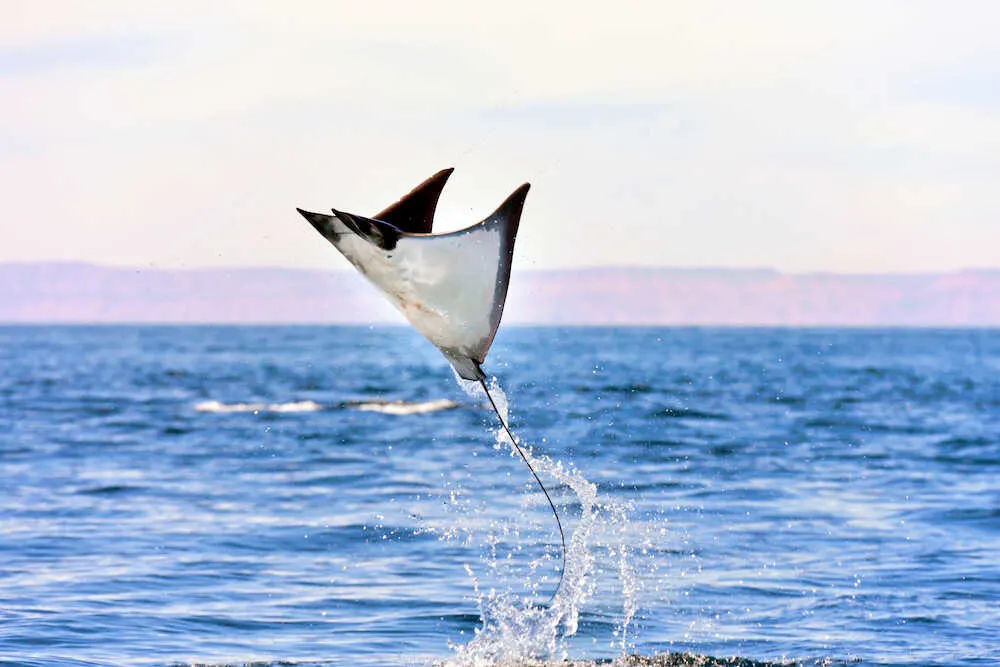
Mobula rays: May–June
Sea lions: year-round (except breeding season)
Beyond the Postcard: Balandra and Nearby Beaches
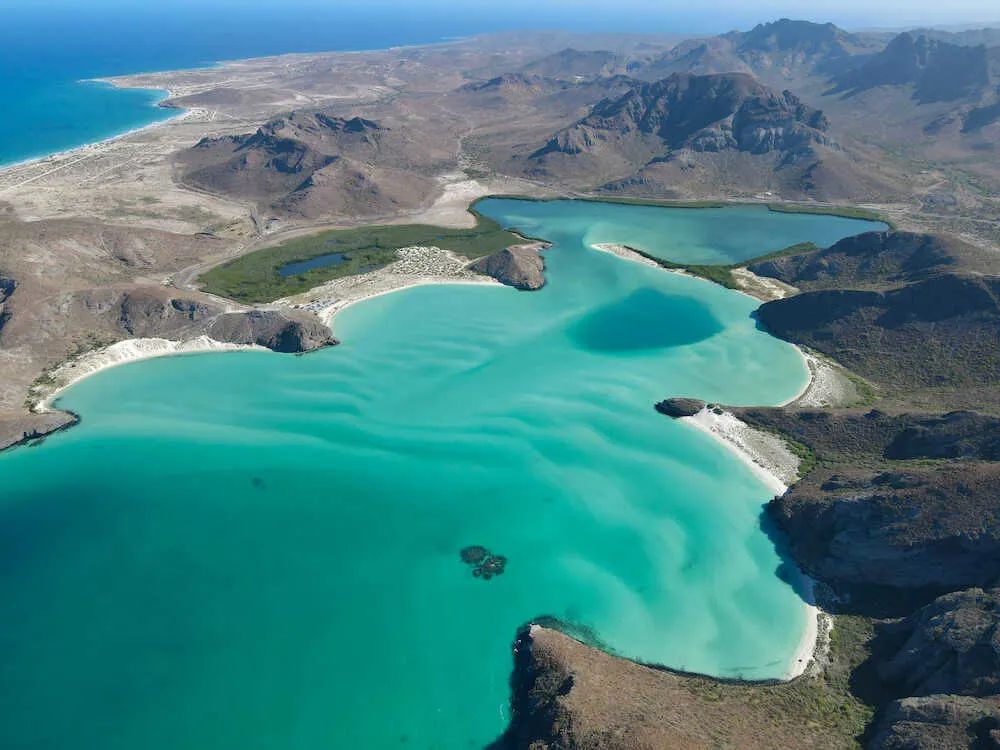
Besides the gift of wildlife in La Paz, the beaches are otherworldly.
“What most people don’t know is that there are even better, quieter coves just minutes away by boat, with the same shallow, crystal-clear aquamarine waters and powder-sugar white sand.”
Balandra Beach is consistently ranked among the world's most beautiful. And it is. But what most people don’t know is that there are even better, quieter coves just minutes away by boat, with the same shallow, crystal-clear aquamarine waters and powder-sugar white sand.
Balandra is packed with tourists; the other, unnamed coves are not.
Pro tip: Balandra has strict visitor limits and timed entry windows, and it often sells out early in the day. If you’re going by land, arrive early in the morning or later in the afternoon when the second entry window opens.
During our La Paz boat tour with Yosef and Juan from Baja Desconocida, we went to Balandra after snorkeling with the sea lions. You are supposed to have an entry ticket to go there, which we didn’t have. So, our captain whizzed us by so we could snap a pic without entering, and kept motoring to the secret spot, where there was only one other boat.
There we spent the afternoon.
We took out the SUPs and paddled toward the mangroves. Within ten minutes, we had crossed three completely different landscapes. It started with bleach-white sand and water so shallow we had to walk our boards out for a while.
Then the channel narrowed into a mangrove alley alive with small fish jumping from the water, birds calling, and frogs croaking from somewhere deep in the roots.
And then you look up, and the mountains appear. Bright blue water below, thick green mangroves around you, rust-colored mountains rising in the distance, and above it all, a flawless blue sky without a cloud in sight.
For a moment, while we were out there, floating with the trumpetfish, my husband and I just kept thinking that this is what our weekends would look like if we lived here.
After returning from our paddle with Juan, we sat under a tent and ate ceviche made by Yosef’s mom. Accompanied by guacamole “a la minute” and tostadas. Did we go on a tour with a family-run operation that went out of their way to make the day extra memorable? Absolutely, we did.
Around the corner from the illustrious Playa Balandra is the locally known Playa El Tecolote. Everyone we spoke to told us to go there. Same white sand, same shallow water, but with a handful of restaurants and bars lining the water’s edge.
This is where the locals go for a Sunday beach day. We ate shrimp and fish mixed ceviche ($15.80) and guacamole ($9) (the meal of the gods) at Moma’s and chased it with a margarita ($14) and beer ($3.70). Not the cheapest place, but you’re a captive audience once you get to El Tecolote. And all the beach bars are about the same.
Locals know Tecolote has a rhythm. Mornings are calm and crystal clear. By afternoon, the Baja wind often kicks up, and the water turns choppy. Great for windsurfing or kiteboarding. The trick is to arrive early, bask in the still water, have lunch at one of the beach palapas, and head back toward La Paz before the wind arrives late afternoon.
Pro tip: You can take an Uber there, but it could be tricky to get a ride back. Cell service isn’t great, and it’s about a 30-minute drive to the middle of nowhere, so there aren’t taxis or Ubers just waiting around for a ride. Make a deal with your driver to have them come back and pick you up. But don’t pay them for the return ride until they do the job.
If You Go: Logistics and Local Wisdom
When to go: Deciding when to go to La Paz is tricky. Plan your trip around the wildlife. I know that going back in June to see the mobula ray migration is going to be brutally hot. But do I care? No. I’ll be in the ocean, swimming amidst creatures that glide like angels in the water.
La Paz only gets about 15-20 days of rain a year, usually between August and October, so don’t worry about getting rained out of any activity.
Where to stay: This is easier than deciding when to go. Find a little Airbnb or hotel in the centro zone; it’s the heart of the city, and you can walk everywhere. We stayed in an Airbnb called Mandala Estrella de Mar, which was within walking distance of everything.
How to get there: Most travelers fly directly into Los Cabos International Airport (SJD) and then drive two hours north.
But there’s now a direct Alaska Airlines flight from Los Angeles. A pretty big indicator of what’s to come, and the first regular nonstop route from the US.
Otherwise, one-stop flights from the US and Canada typically connect through Mexico City, Guadalajara, or Tijuana.
Join Us in Europe in 2027!
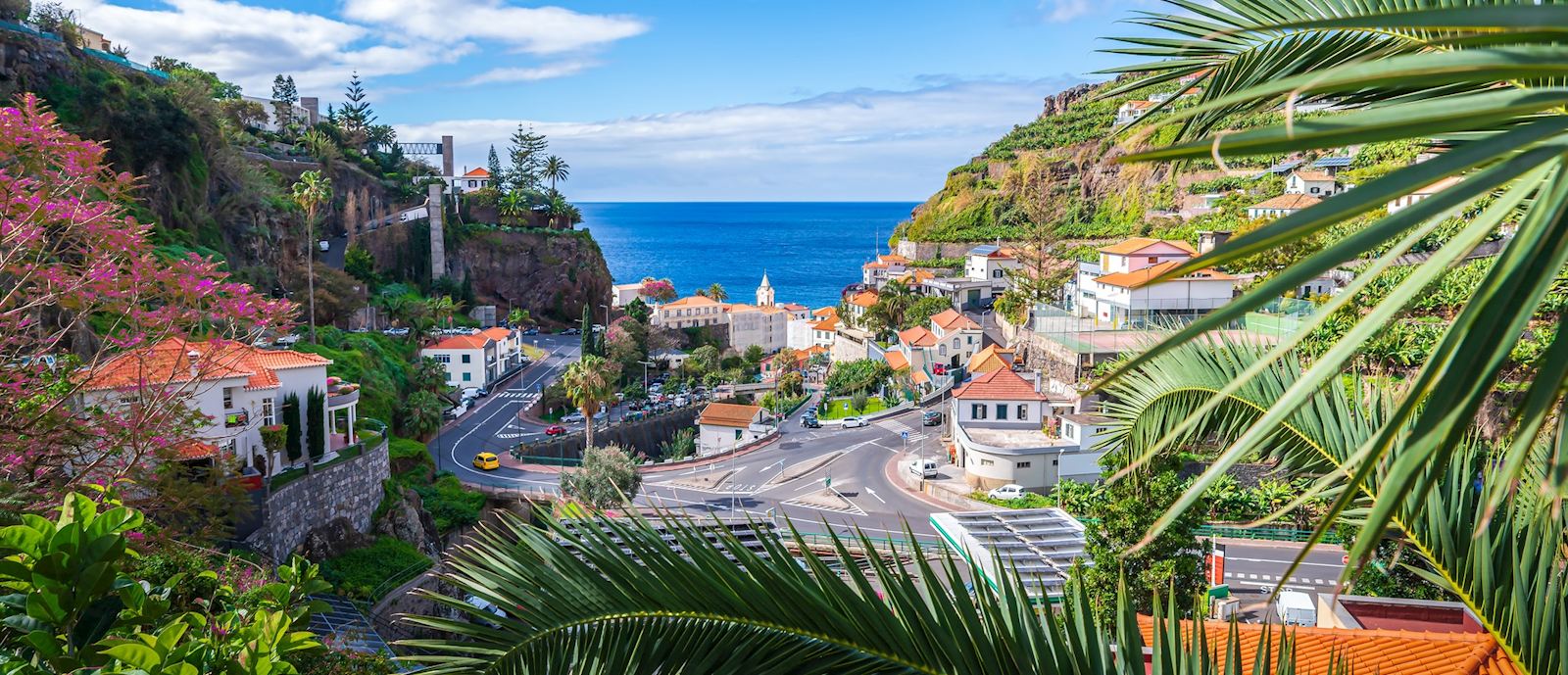
Portugal, Spain, Italy, France, Greece... You’ll find gorgeous, culturally rich cities and towns and beautiful sunny beaches. You can enjoy a high quality of life—yet a surprisingly low cost of living. Starting at $2,500 a month, a couple can live well. With more, you could live large.
If you’ve been dreaming of life in Europe, join us March 20-22, 2027, for International Living’s Fast Track Europe Conference. We’ll meet in Portugal’s sunny Algarve, and our focus will be on Europe’s best destinations to retire better, live well, and spend less.