The Baja desert was not on my list of landscapes I needed to see. I live in Puerto Vallarta, where the tropical jungle and mountains meet the sapphire-blue ocean. It’s hard to beat my daily views. So, scrubby hills and cacti didn’t exactly call to me.
But driving into La Paz for the first time, I watched those dry volcanic hills roll down to meet the Sea of Cortez, the water a nearly fake-looking shade of blue against all that dusty brown and green. I hadn’t even gotten out of the car, and La Paz was already making its case.
La Paz is about two hours north of Los Cabos on the Baja California Peninsula. It’s the capital of Baja California Sur, a working government city first and a travel destination second. At least for now.
Get Your Free Mexico Report Today!
Get Your Free Mexico Report Today!
Learn more about Mexico and other countries in our daily postcard e-letter. Simply enter your email address below and we’ll send you a free special report – Mexico: The Perfect Close-to-Home Retirement Haven.

By submitting your email address, you will receive a free subscription to IL Postcards, The Untourist Daily and special offers from International Living and our affiliates. You can unsubscribe at any time, and we encourage you to read more about our Privacy Policy.
Reality vs. Expectations
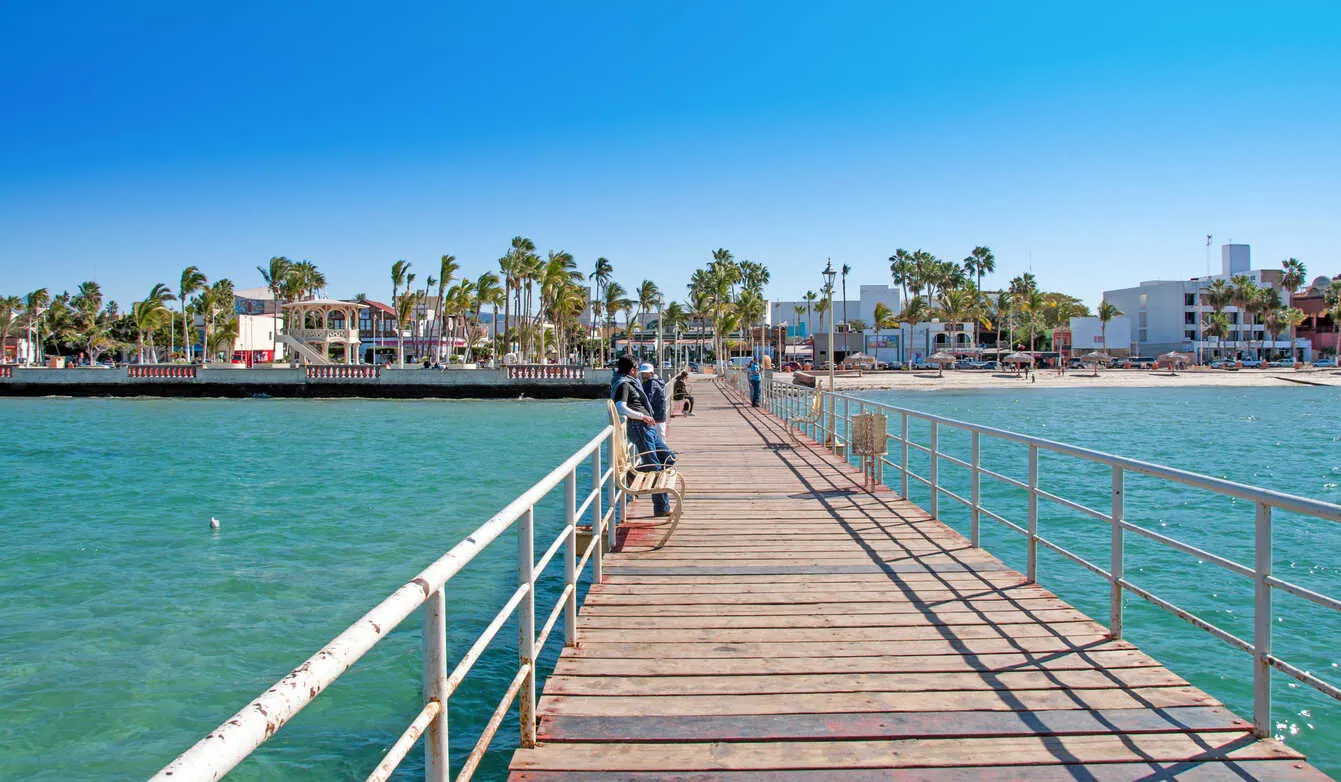
The landscape was my first wrong assumption about La Paz. It wasn’t my last. Most people arrive with a few of their own.
Expectation: Another Cabo
The first thing that should tip you off about what La Paz feels like is its name. La Paz means peace, and the name makes sense. It feels like a deep breath. Tranquil, calm, and immediately noticeable.
I’ve been to both towns. The only thing they have in common is proximity. However, they couldn’t be more opposite. Cabo is for the partiers. La Paz is for the ocean lovers.
The difference shows up at the water’s edge. You can’t swim at many of Cabo’s beaches because they are too rough. But La Paz’s beaches are often so serene and shallow that they feel more like lagoons than open sea.
The contrast continues beyond the water. Unlike Cabo, La Paz still feels like a city where local life exists independently of tourism. As the state capital, it’s a government city first and a tourism destination second. It’s less polished, less curated, and still feels like an authentic Mexican town where Spanish is the primary language.
Expectation: Tropical Paradise All Year
La Paz is in the desert; it’s not tropical.
Rainfall is unpredictable. A year can pass without a drop, while a wet year might bring up to 10 inches. Yet somehow, even in the desert, humidity shows up in the summer months, averaging 60% to 65% and making life feel muggy and hot rather than just sweltering.
The summer heat can reach over 100 F. At that point, AC stops feeling optional, and daily life shifts around the heat.
We were there in November, and the weather was glorious. But we are going back in June and expect to be met with hellfire.
Expectation: Remote Baja Outpost
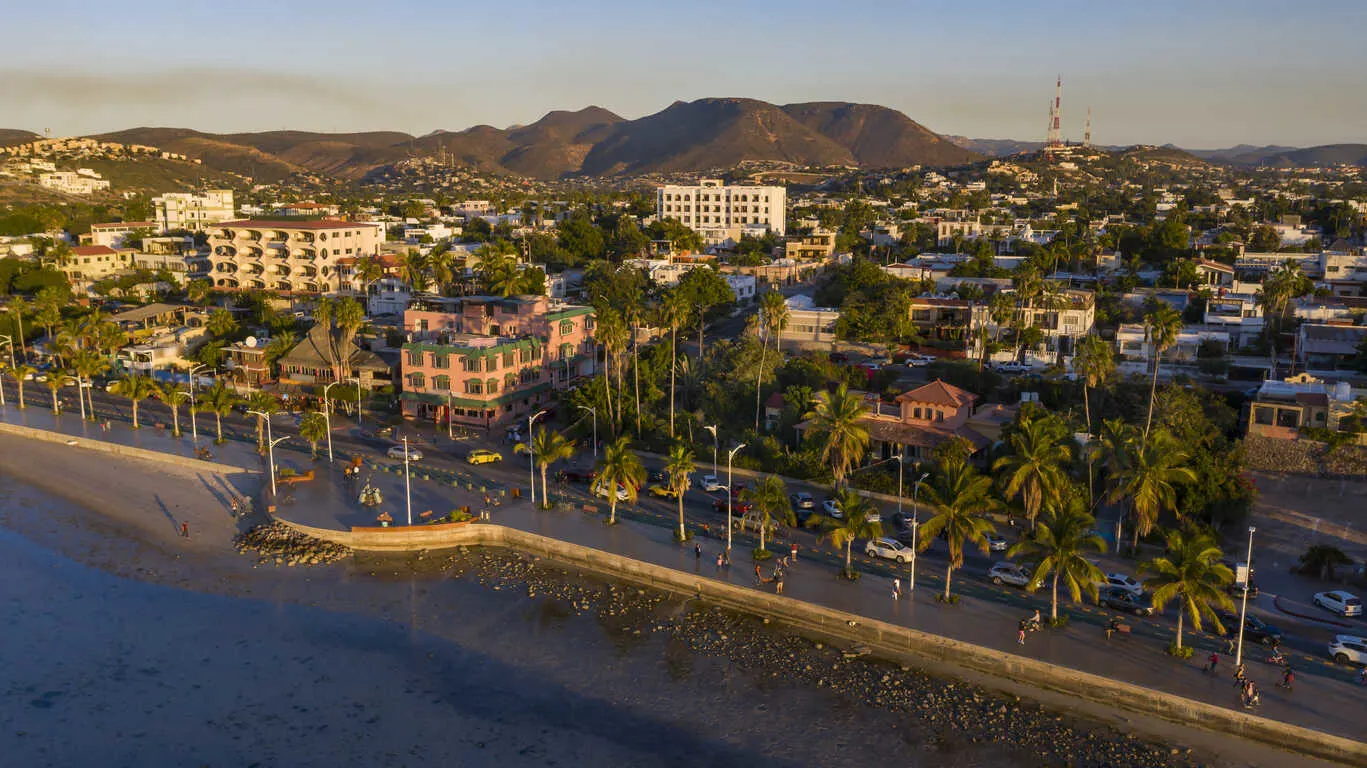
La Paz is the seat of Baja California Sur’s state government, and that changes everything. Healthcare, airport access, grocery stores, and modern conveniences are well developed precisely because the government is there. Capital cities demand it. La Paz has stronger infrastructure than many people expect from a Baja beach town.
It may be a bit more geographically isolated than mainland Mexico, but the most important amenities for living are priorities for this city.
How to Get a European Passport in Three Months
... Getting Citizenship in as Little as 3 Months? (even if you don’t have a European parent or grandparent)
... How to Live in Europe Year-Round on an American Passport Alone (no visa or second citizenship required)
... Why 2026 May Be the Last Year for Easy European Passports for Americans
The Pros and Cons of Living in La Paz
Pros:
Living in La Paz is relaxed and quiet. There aren’t many nightclubs, and life revolves more around nature than nightlife.
Daily life feels easier here. You aren’t sitting in traffic for an hour just to buy groceries. Even in high season, the streets aren’t teeming with people, making life just that much easier.
Marine life is woven into your everyday life (if you want it to be). Nearly every month brings a different incredible creature to the Sea of Cortez. Jacques Cousteau called it the aquarium of the world, and the biodiversity backs that up. Your life can revolve around orcas, humpback and gray whales, whale sharks, mobula rays, sea lions, and that doesn’t even touch on the big fish and birds that migrate to or make La Paz home.
La Paz has less tourism fatigue than many Mexican beach destinations. It feels more genuine and not like a put-on place showing off for tourism dollars.
Integrating into the local Mexican community is easier than in places like Playa del Carmen, Tulum, or Puerto Vallarta. Fewer expats means fewer expat bubbles to get trapped in.
Central La Paz is flat, wide, and walkable. Most sidewalks have accessibility ramps, which makes getting around easy.
Cons:
La Paz is calm and quiet. It’s a pro, too, but some people might get bored with all that peace and quiet.
Spanish is noticeably the primary language and, for some locals, the only one. Learning the basics isn’t just practical; it’s respectful to the paceños. It will also open doors into the local community and make your life richer for it.
For some people, the summer heat can be unbearable and wear them down.
Yes, there is an international airport, but at the moment, there are only a handful of direct flights from Los Angeles, California, to La Paz.
Desert living comes with trade-offs. Water conservation is highest on the list. When you first move there, especially if you are buying a home, water redundancy isn’t optional. Most people rely on large rooftop water tanks (tinacos) that store delivered water as a backup supply. It’s an adjustment. But once the system is set up, it runs quietly in the background, and you stop thinking about it.
We met with numerous realtors when we were there, and they all said this was non-negotiable.
The World’s Best Retirement Havens for 2026
The World’s Best Retirement Havens for 2026
24 Countries Compared, Contrasted, Ranked, and Rated. You don’t have to be rich to enjoy a pampered retirement, you just need to know where to go. With our 35th Annual Global Retirement Index, our experts hand you a detailed roadmap. Details—and a Special Offer—Here

By submitting your email address, you will receive a free subscription to IL Postcards, The Untourist Daily and special offers from International Living and our affiliates. You can unsubscribe at any time, and we encourage you to read more about our Privacy Policy.
What Makes La Paz So Livable?
The Malecón Functions as Real Daily Life
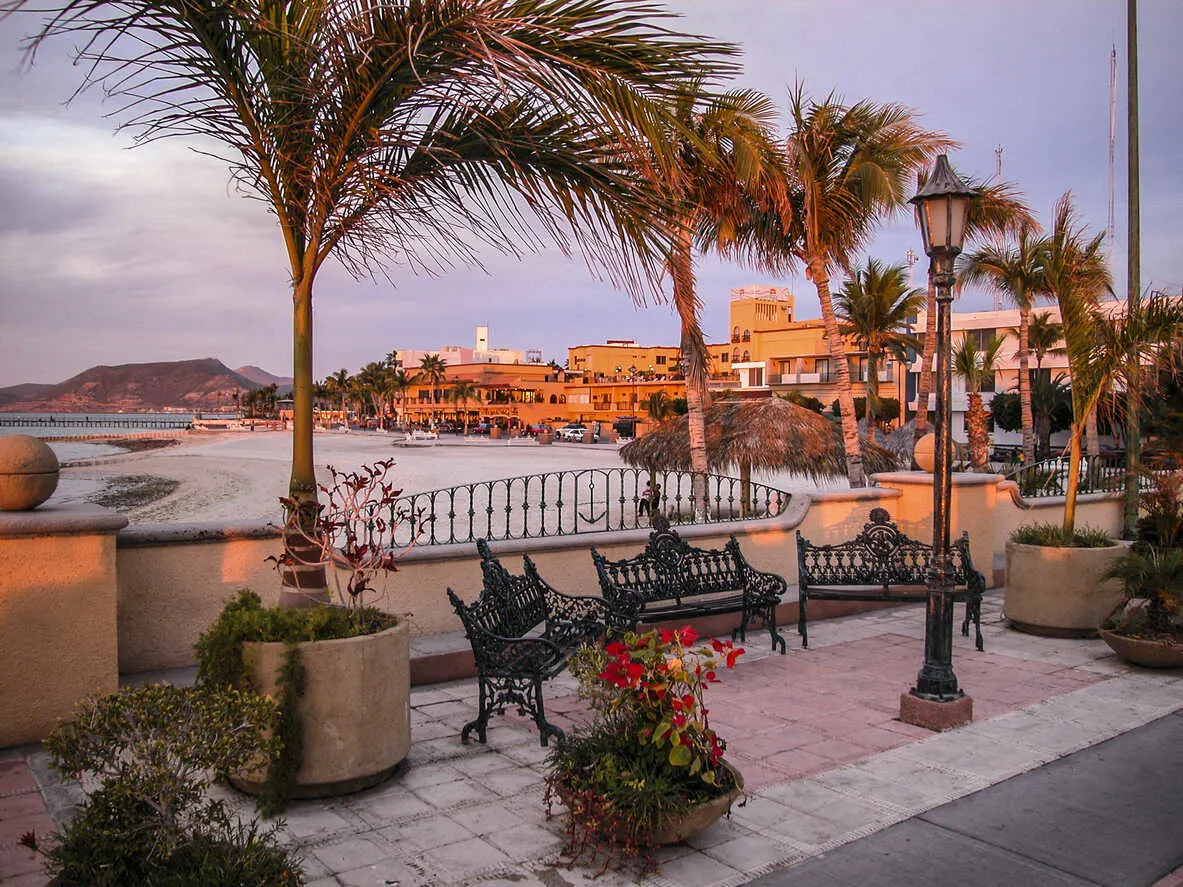
The boardwalk, or malecón, runs for three miles along the waterfront. It’s the beating heart of the city, and yes, it’s a tourist attraction. Sculptures appear every few hundred feet, depicting La Paz life: a sailboat sail, a pearl in a shell, an old man in a boat. It’s worth a leisurely walk just for those. But it’s far more than just a pretty walkway for tourists.
We walked it every day while we were there, and each time noticed something different. A skate park. Parents teaching their little ones to ride bikes. Lovers watching the sunset from the sand. It’s these little things that make you feel part of the bigger picture of living there.
The malecón isn’t optional. It’s integral to life there.
Nature Stops Feeling Like an Excursion
When you live in La Paz, wildlife becomes part of normal life rather than a vacation activity. I got a taste of that on my first trip, and I’m already going back in two weeks for the mobula ray migration. That’s what this place does.
You can spend your days swimming with sea lions and SUPing through the mangroves, looking for migrating birds and trumpetfish. Hire a boat to reach secluded beaches with water so clear you can see teeny fish darting around your toenail polish, and humpbacks and orcas if the timing is right.
If you want to go deeper, scuba diving shifts from a hobby to a way of life. Jacques Cousteau was onto something.
If marine life isn’t your thing, La Paz might be a harder sell, but let’s just say that isn’t the case. There are quite a few hikes that keep you dry, except for the copious amounts of sweat you’ll work up while hiking.
Cerro de la Calavera, or Skull Hill, sits at the northern end of the malecón. It’s a short climb to rock formations eroded by wind and water into skull-like shapes. The local legend surrounding it involves an indigenous love triangle that ended badly for everyone.
Another hike is from the award-winning Balandra Beach to Playa El Tecolote. Both beaches have that powdered-sugar sand and aquamarine water, so walking between the two would be mesmerizing. It takes about two hours and loops around seven pristine beaches with far-reaching views of Balandra’s turquoise bay.
You don’t seek out nature in La Paz. You just open your door.
The Pace Feels Sustainable
If you want to move somewhere to get off the hamster wheel, La Paz is here for you. There is no chaos, even if you live downtown. Your daily routine stops feeling like an obstacle course.
Besides the summer, you can spend a lot of time outdoors. That alone does something to your stress levels that no supplement can replicate.
Coming from Puerto Vallarta, the shift in pace took me a minute to get used to. At first, I kept thinking, “Where are all the people?” But after a few days, I fell into the zen of it all.
It Still Feels Mexican
La Paz wasn’t created in a boardroom to attract tourist money to the state. It’s a real, live working city, even though it feels more like a small town.
The expat community is smaller, which means you can’t hide inside it. You are actually living in Mexico. Not adjacent to it. You notice it in the little things. The shops aren’t catering to your tastes. The restaurants aren’t softening the menu for foreign palates. Life in La Paz is just life in La Paz.
So, Is La Paz Right for You?
It is if you want to slow down, to live in a place where you can breathe deeply and connect with nature. If you care more about whale season than rainy season, maybe La Paz is where you’ll find your happy place.
La Paz might be a miss for you if you need a booming nightlife scene or a constant stream of entertainment.
You can buy a fancy yacht and an extravagant home in the hills above the marina, but La Paz is a down-to-earth working city at its core. Luxury exists here. It’s just not the point.
And if you think desert heat is a challenge, spend time there in the summer before you commit. See if you have the chops.
I was there six months ago, and I’m about to start packing for my next trip.
La Paz corrected me at every turn. I thought it would be another Cabo. It isn’t. I thought the desert would feel stark. It doesn’t. I thought the quiet would bore me. It hasn’t.
For some, La Paz feels too quiet. For others, that quieter rhythm is exactly what they’ve been seeking all along.
Get Your Free Mexico Report Today!
Get Your Free Mexico Report Today!
Learn more about Mexico and other countries in our daily postcard e-letter. Simply enter your email address below and we’ll send you a free special report – Mexico: The Perfect Close-to-Home Retirement Haven.
By submitting your email address, you will receive a free subscription to IL Postcards, The Untourist Daily and special offers from International Living and our affiliates. You can unsubscribe at any time, and we encourage you to read more about our Privacy Policy.
Join Us in Europe in 2027!
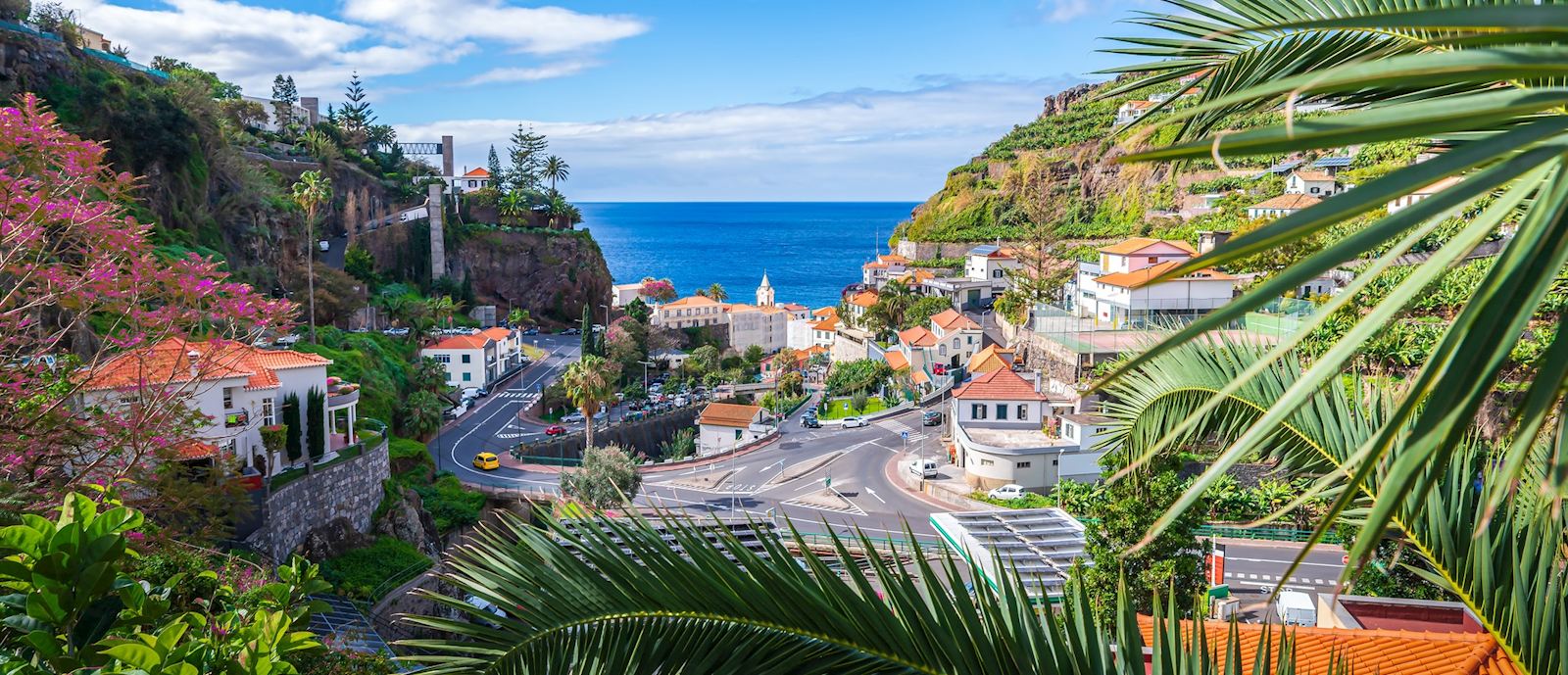
Portugal, Spain, Italy, France, Greece... You’ll find gorgeous, culturally rich cities and towns and beautiful sunny beaches. You can enjoy a high quality of life—yet a surprisingly low cost of living. Starting at $2,500 a month, a couple can live well. With more, you could live large.
If you’ve been dreaming of life in Europe, join us March 20-22, 2027, for International Living’s Fast Track Europe Conference. We’ll meet in Portugal’s sunny Algarve, and our focus will be on Europe’s best destinations to retire better, live well, and spend less.