

Sophisticated city life in bustling Bangkok? Misty mountain mornings inchilled-out Chiang Mai? Sun, sand, and seafood in Koh Samui? With so many great locations, how do you choose?
You can live anywhere in Thailand for a fraction of what it costs back home, but which place has the best hospitals? Where is the biggest expat community? Which places have high-speed internet? Is it possible to go off-the-grid?
For expats, the challenge isn’t whether Thailand is a good place to live — it’s matching a location to your priorities, daily routine, and desired lifestyle.
Your chance to retire overseas now
Your chance to retire overseas now
Learn more about Thailand and other destinations by signing up to our daily IL Postcards e-letter and we'll immediately send you a free report: 20 Countries Compared, Contrasted, Ranked, and Rated.
You don’t have to be rich to enjoy a pampered retirement, you just need to know where to go.
With our 34th Annual Global Retirement Index, our experts hand you a detailed roadmap. Details and a Special Offer Here!

By submitting your email address, you will receive a free subscription to IL Postcards, The Untourist Daily and special offers from International Living and our affiliates. You can unsubscribe at any time, and we encourage you to read more about our Privacy Policy.
Retirees

For retirees, choosing where to live in Thailand comes down to three essentials: safety, affordability, and access to quality healthcare.
Safety is rarely a concern. Even in a megacity like Bangkok, longtime expats report feeling much safer there than in any big US city. Thailand’s culture of respect and hospitality creates a daily sense of ease that many retirees find deeply reassuring.
Healthcare in larger metropolitan areas — Bangkok, Pattaya, Chiang Mai, and Phuket — offers top-tier private hospitals with English-speaking doctors and internationally trained specialists. Bangkok is particularly well-equipped to support retirees with serious health concerns and is often the first choice for those seeking immediate access to advanced care.
While the overall cost of living in Thailand is less than half that of North America, prices vary significantly by location. Bangkok is the most expensive place to live in the country, yet its cost of living is roughly one-third that of New York City and less than half that of Los Angeles or Miami. Move beyond the capital, and the savings become even more noticeable, with smaller cities and regional hubs offering excellent value without sacrificing comfort.
Lifestyle plays a major role in deciding where to settle. Single retirees who enjoy energy and social connection often gravitate toward Bangkok or Pattaya, where nightlife, restaurants, and well-established expat communities make it easy to build friendships and stay engaged.
Couples frequently prefer a quieter, more relaxed rhythm. Hua Hin, a laid-back coastal town less than three hours from Bangkok, offers ocean breezes, golf courses, and a strong expat presence, all within easy reach of big-city amenities. Phuket offers a different version of coastal living, a larger, more developed island with modern infrastructure, international schools, and a collection of distinct beach communities that give it a surprisingly intimate, neighborhood feel.
For many retirees, however, Chiang Mai checks every box. Nestled in Thailand’s northern mountains, it is widely regarded as the country's safest city. As a university town, it combines youthful energy with a well-established expat community. It also boasts outstanding hospitals and one of the lowest costs of living among Thailand’s larger urban centers. Life moves at a gentler pace here — all the benefits of a metropolitan area without the congestion, noise, and intensity. A single retiree can live comfortably on about $1,800 per month; a couple can expect to spend about $2,400 per month.
Digital Nomads and Slow Travelers
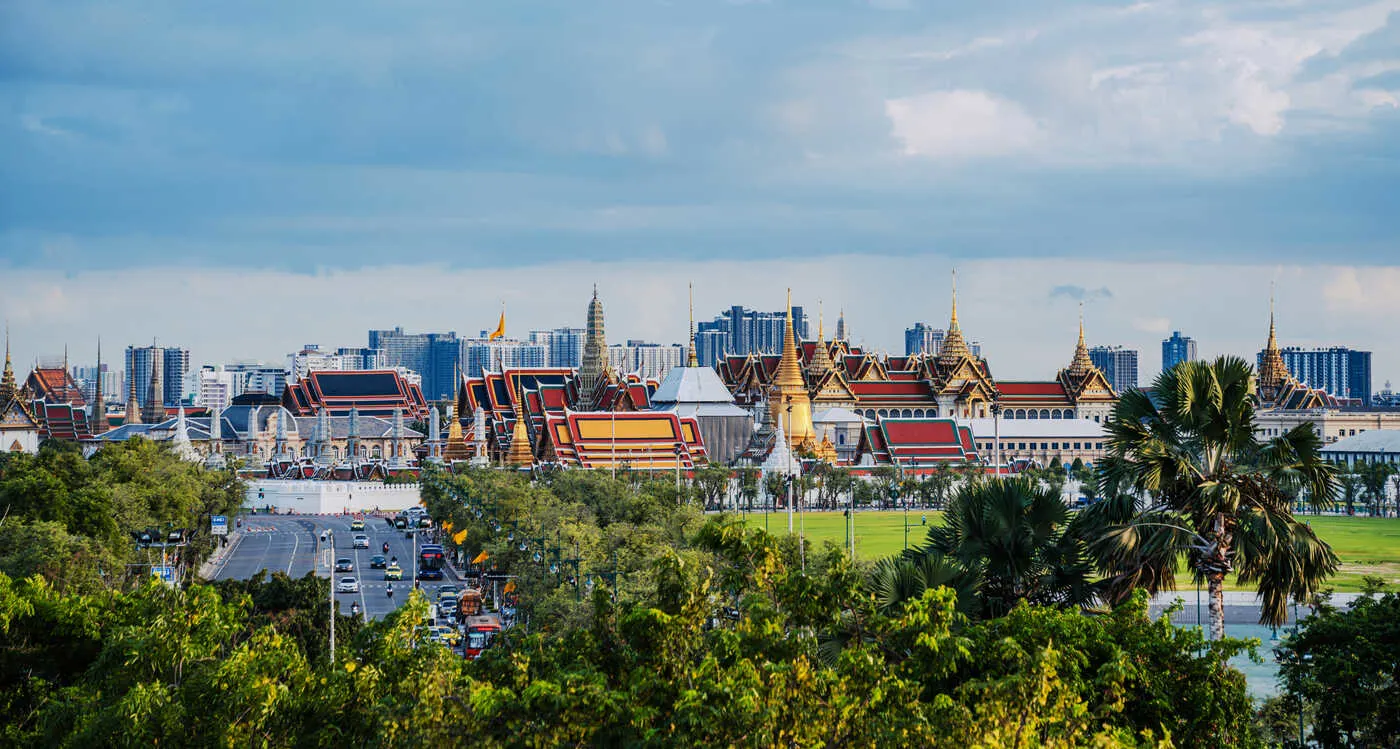
For those lucky enough to have a portable career, Thailand opens up an entirely different set of possibilities. Digital nomads and slow travelers tend to prioritize infrastructure — fast, reliable internet, convenient airport access, coworking spaces, and flexible, affordable housing — along with a sense of community.
By almost every measure, Chiang Mai and Bangkok rank among the world's top destinations for this lifestyle. Both cities offer excellent connectivity, with high-speed internet widely available and a growing number of creative, affordable coworking spaces. Bangkok, with two international airports, is one of the best-connected cities in Asia, while Chiang Mai’s airport offers easy regional access as well as international connections.
Housing is another major advantage. Serviced apartments, Airbnb options, and budget-friendly guesthouses are plentiful in both cities, making it easy to settle in quickly without long-term commitments.
Bangkok delivers scale and energy. It’s a huge, energetic, fast-moving city packed with personality, where digital nomads can plug into an eclectic, international community of remote workers, entrepreneurs, and creatives. There’s always something happening, new restaurants, networking events, cultural experiences, and plenty of opportunities to connect with others on a similar path.
Chiang Mai offers a softer landing. Slower-paced and more manageable, it has long been a favorite for nomads who want to focus on work while enjoying a relaxed lifestyle. The expat community here is deeply rooted, made up of teachers, NGO workers, retirees, and long-term nomads — many of whom arrived for a short stay and never left.
For those drawn to the beach, Koh Samui has emerged as a trendy hub for younger digital nomads who want to balance work with a tropical lifestyle. Its infrastructure continues to improve, and its range of beach communities allows residents to find their own rhythm. Nearby Koh Phangan appeals to a more alternative crowd — yoga enthusiasts, creatives, and off-the-grid freelancers who value community and a less conventional way of living.
Slow travelers, in particular, benefit from basing themselves in Bangkok, Chiang Mai, or Phuket. All three are strategically located with strong international connections, making it easy to explore neighboring countries while maintaining a comfortable home base in Thailand.
The World’s Best Retirement Havens for 2026
The World’s Best Retirement Havens for 2026
24 Countries Compared, Contrasted, Ranked, and Rated. You don’t have to be rich to enjoy a pampered retirement, you just need to know where to go. With our 35th Annual Global Retirement Index, our experts hand you a detailed roadmap. Details—and a Special Offer—Here

By submitting your email address, you will receive a free subscription to IL Postcards, The Untourist Daily and special offers from International Living and our affiliates. You can unsubscribe at any time, and we encourage you to read more about our Privacy Policy.
Snowbirds
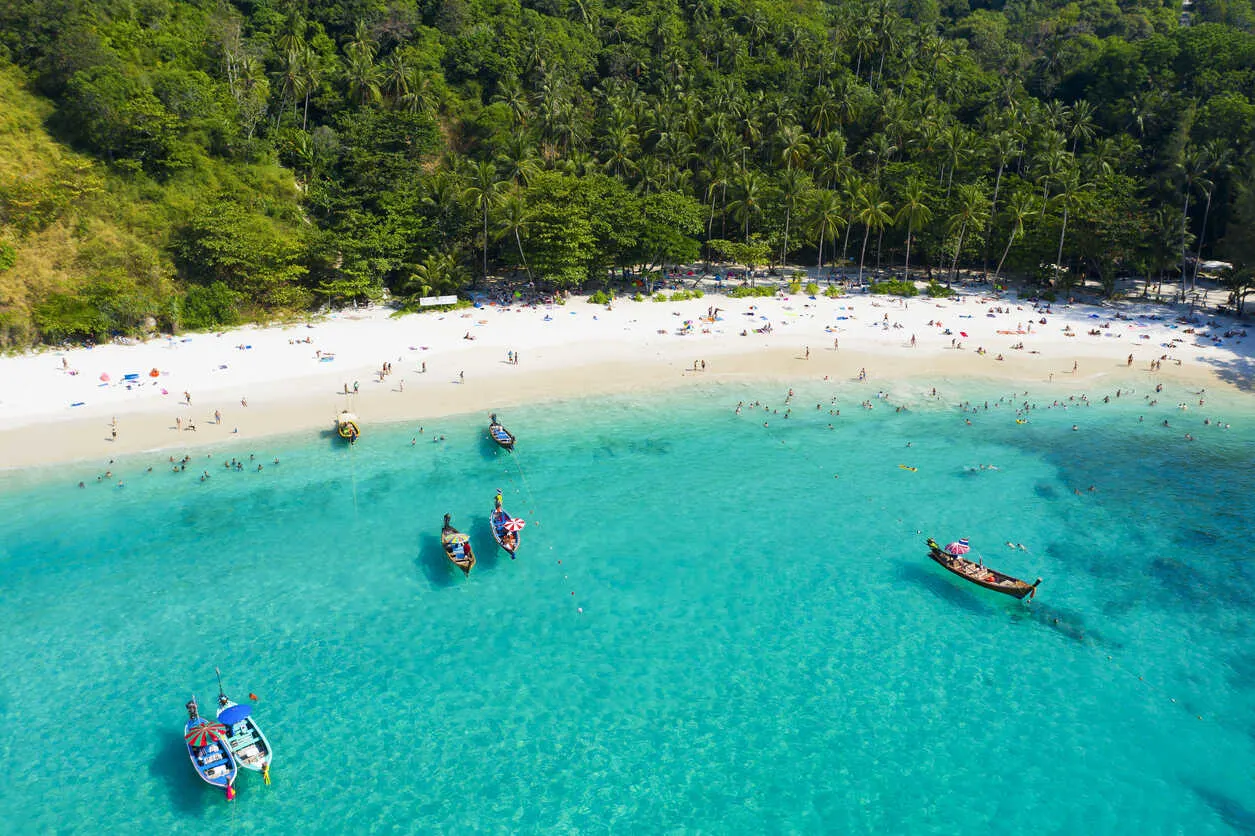
Every year around November, Thailand begins welcoming a steady stream of seasonal expats escaping colder climates. For snowbirds staying three to six months, the appeal is obvious: warm weather, outdoor living, and a wide variety of activities.
Phuket and Pattaya, along with neighboring Jomtien Beach, are among the most popular choices. Both offer easy access to the sea, lively social environments, and a full calendar of events during the high season.
Pattaya and Jomtien have long been favorites for golf enthusiasts. With dozens of top-quality courses located within an hour of the city center, the area attracts players of all skill levels. Major tournaments are held here each year, including Pattaya’s Honda LPGA event in February, adding to the area’s appeal.
Beyond golf, both destinations host a wide range of activities and events — music festivals, sailing regattas, fishing tournaments, food festivals, and Pattaya’s well-known two-day International Fireworks Festival. For those staying several months, there’s always something to do, and the social scene remains active throughout the season.
Phuket tends to attract a more upscale crowd. With its marinas, luxury villas, and sailing culture, it’s a natural fit for boaters and those looking for a higher-end lifestyle. While more affordable accommodations exist, most people choose Phuket for its overall experience — the combination of sea, scenery, and sophistication. It offers a lifestyle comparable to Miami's, but at less than half the cost.
Accessibility is another advantage. Phuket has its own efficient international airport, while Pattaya is conveniently located less than an hour from U-Tapao International Airport and about 90 minutes from Bangkok’s Suvarnabhumi Airport.
For younger or more flexible snowbirds, Koh Samui offers a lively yet relaxed alternative, with diverse beach communities and excellent water sports such as kayaking, kiteboarding, scuba diving, and snorkeling. Koh Chang is also gaining popularity, particularly with families, thanks to spacious beach houses and very affordable long-term rentals. A couple could comfortably live there on around $2,000 per month, even less during the low season from May to October.
Off the Grid
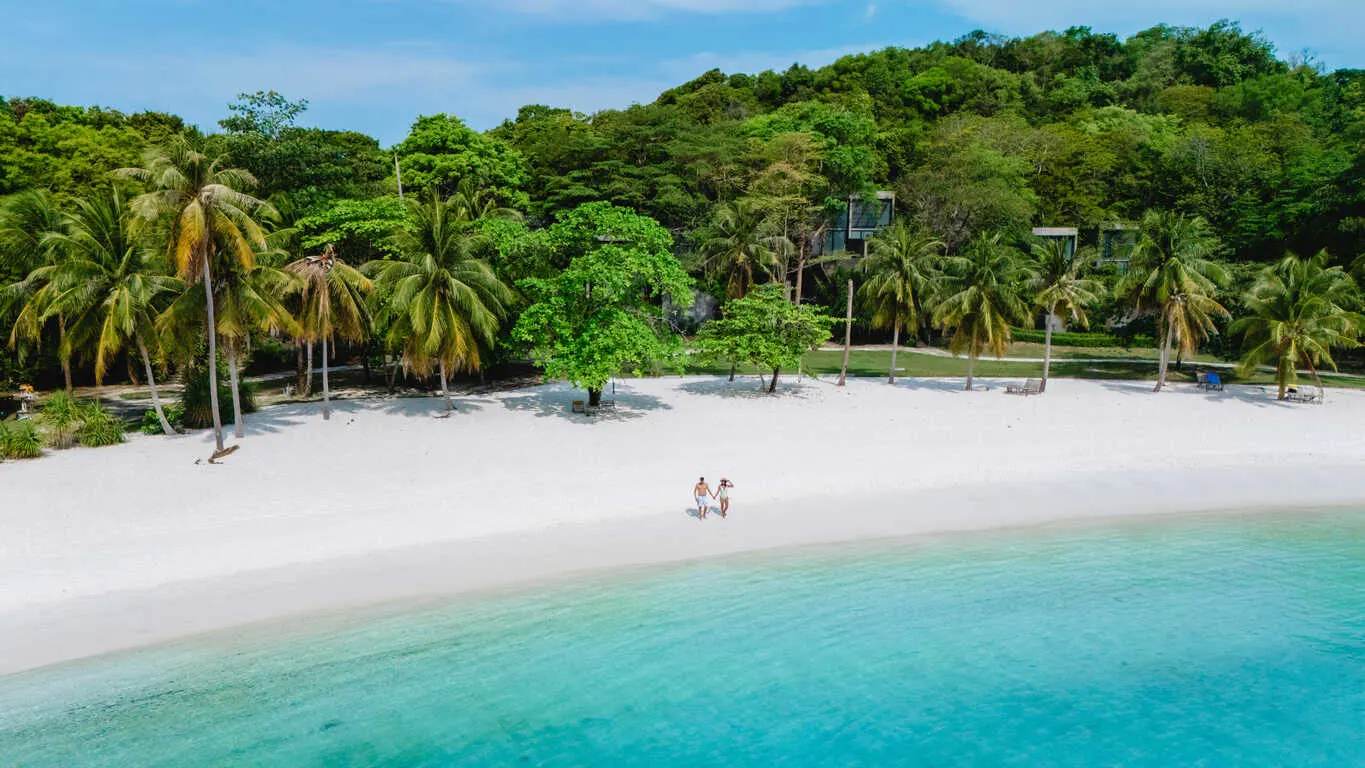
For expats looking to unplug and step away from the pace of modern life, Thailand offers a surprising number of places where simplicity and tranquility take priority.
Chiang Rai, located about three hours north of Chiang Mai in the Golden Triangle region, is a strong contender. Despite a metro population approaching 600,000, it feels more like a large provincial town than a city. The atmosphere is artistic, relaxed, and deeply connected to the surrounding countryside.
At the same time, it still offers key conveniences — good private hospitals, international schools, and even an international airport. It’s an ideal middle ground for those who want to live quietly without giving up access to Western comforts. The cost of living is among the lowest in Thailand, and the expat community, while small, is welcoming and diverse.
Further into the mountains, Pai offers an even more stripped-down lifestyle. About four hours northwest of Chiang Mai and not far from the Myanmar border, this small town has become Thailand’s best-known bohemian enclave. Winters are cool and crisp, summers are lush and rain-soaked, and life moves at an unhurried pace year-round.
Pai attracts a wide range of residents — backpackers, creatives, digital nomads, and long-term expats who simply never left. It’s a place built around community, nature, and a slower way of living. For many, it represents the Thailand they imagined before they arrived.
For island living, Koh Mak stands out as one of the last truly low-key destinations. Located near Koh Chang on Thailand’s eastern seaboard, it has intentionally avoided large-scale development. There are no cars, no beach clubs, and no large resorts dominating the coastline.
The island is flat and shaded by coconut and rubber plantations, making it ideal for cycling — the primary mode of transport for residents. Nearby Koh Rang Marine Park offers excellent opportunities for kayaking, snorkeling, and diving, while beaches like Ao Kao and Ao Suan Yai are known for their clear, calm waters.
Life here is simple and unhurried. In the low season (April to October), a beachfront bungalow can cost less than $500 per month. For those who value peace, nature, and a slower pace above all else, Koh Mak offers a rare kind of escape.
Finding Your Place in Thailand
Thailand’s greatest strength is its versatility. Few countries offer this level of choice at such an accessible cost.
Whether you’re looking for world-class healthcare in a major city, a social and active coastal lifestyle, a productive base for remote work, or a quiet place to disconnect, Thailand provides options that don’t require compromise.
The question isn’t whether Thailand is right for you; it’s which version of Thailand feels most like home.
Your chance to retire overseas now
Your chance to retire overseas now
Learn more about Thailand and other destinations by signing up to our daily IL Postcards e-letter and we'll immediately send you a free report: 20 Countries Compared, Contrasted, Ranked, and Rated.
You don’t have to be rich to enjoy a pampered retirement, you just need to know where to go.
With our 34th Annual Global Retirement Index, our experts hand you a detailed roadmap. Details and a Special Offer Here!
By submitting your email address, you will receive a free subscription to IL Postcards, The Untourist Daily and special offers from International Living and our affiliates. You can unsubscribe at any time, and we encourage you to read more about our Privacy Policy.