What’s the best time to visit Thailand? It sounds like a simple problem to solve, as it has only three variables: geography, climate, and tourist flow. But, in reality, it’s a little more complicated, especially once you factor in why you’re coming.
Thailand stretches more than 1,200 miles from north to south, roughly the distance from Orlando, Florida, to Ottawa, Ontario. Drive the entire length, and you’ll move through three distinct climate zones: tropical savanna in the north and central plains, tropical monsoon further south and east, and tropical rainforest in the far south.
Then there’s the human factor. Nearly 40 million tourists visit Thailand each year, arriving at different times and spreading out unevenly across the country. Bangkok alone pulled in over 30 million arrivals in 2025, making it the most visited city in the world.
So instead of trying to pin down a “best time,” it’s more useful to break things down by season, and what it actually feels like to live in the most popular locations and expat enclaves.
Your chance to retire overseas now
Your chance to retire overseas now
Learn more about Thailand and other destinations by signing up to our daily IL Postcards e-letter and we'll immediately send you a free report: 20 Countries Compared, Contrasted, Ranked, and Rated.
You don’t have to be rich to enjoy a pampered retirement, you just need to know where to go.
With our 35th Annual Global Retirement Index, our experts hand you a detailed roadmap. Details and a Special Offer Here!

By submitting your email address, you will receive a free subscription to IL Postcards, The Untourist Daily and special offers from International Living and our affiliates. You can unsubscribe at any time, and we encourage you to read more about our Privacy Policy.
The High Season: November Through February
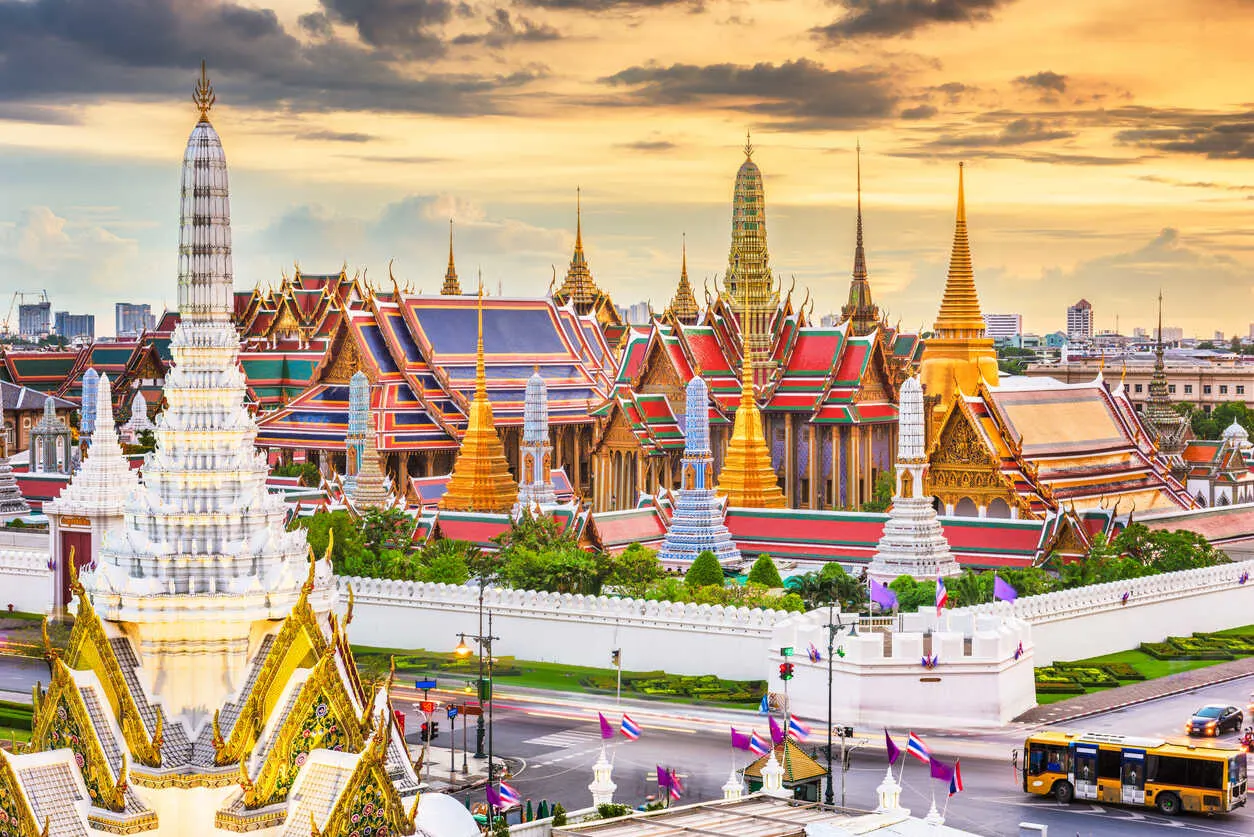
Thailand is always pretty hot, but high season is when things get more comfortable. The rains subside, the humidity dissipates, and the air feels crisp and clean. You can explore all day without sweating through three sets of clothes. In the north, you might even need a sweater or a light jacket.
As you might imagine, it’s also the most expensive time to visit. Airfares climb. Room rates spike. Popular destinations can see price increases of 50% to 75%.
The higher cost doesn’t deter visitors, so you won’t have Bangkok’s temples all to yourself. Most likely, you’ll be enjoying them shoulder-to-shoulder with tour groups from every corner of the world.
The islands fill up fast, with Phuket and Koh Samui posting their highest occupancy rates, and coastal resort towns like Pattaya and Hua Hin are hosts of the annual snowbird migration. The momentum carries through until the whole country heats up again in March.
If you’re coming at this time of year, the northern provinces and Central Plains are your best bet. The misty mountains of Chiang Mai and Chiang Rai are at their most pleasant, while historic sites like Sukhothai and Ayutthaya are far easier to enjoy without oppressive heat. It’s one of the few times of the year when the Central Plains feels balmy rather than suffocating.
The Hot Season: March Through May
What feels like spring in the U.S. is scorching summer here. Bangkok turns into a concrete steamroom, with temperatures close to 100°F and very little relief, even at night.
Living on the coast offers no relief as the pleasant sea breezes disappear, the sea turns to bathwater, and you suddenly realize that palm trees don’t provide nearly as much shade as you imagined.
You would think heading north would be the answer, but this is the “burning season,” when farmers in northern Thailand clear fields by setting them on fire. The result is a thick yellow haze that settles over cities like Chiang Mai. Some days, it’s literally toxic to be outside.
For most people, the hot season isn’t the time to visit, unless you’re deliberately trying to test your tolerance for wilting tropical heat. If you’ve only seen Thailand in its “nice” season, this time of year might seriously alter your perception.
The Rainy Season: June Through October
The rainy season is tricky because it doesn’t hit the entire country at once or with equal severity. You can plan around the rains and actually use them to your advantage.
In the north, the early part of the rainy season can be a sweet spot. Crowds thin out, prices drop, and the heaviest storms usually hold off until August. When they do come, they’re usually short, predictable bursts in the afternoon, cooling things down without ruining your whole day.
The same logic applies to coastal cities like Pattaya, Hua Hin, and Rayong through June, July, and August. The snowbirds have flown home, the big tour groups have yet to arrive, and you can enjoy these seaside havens without the high-season congestion.
Islands like Koh Samui and Koh Chang follow a similar pattern. Yes, it’s still hotter than the devil’s backside, but it’s a lot more enjoyable when you’re not sharing the beach with a thousand other people. A hammock, an umbrella, and a good book are the only company you need.

This is also when you’ll get the most bang for your holiday buck. Hotels and regional airlines often roll out “second peak” pricing, saving visitors a bundle and allowing extended stays.
September and October are when the rains really become a threat all over Thailand. In Bangkok, a sudden downpour can transform already heavy city traffic into a gridlocked quagmire. If you’re staying in the city, being near a Skytrain or subway station is a necessity.
Further south, in Phuket and Krabi, the wet season starts earlier and lingers longer. Before I moved to Thailand, I didn’t know what the word “monsoon” actually meant. After three rainy seasons in Phuket, I now have a very clear understanding. It doesn’t mean a refreshing afternoon shower… It’s coming home after a 72-hour downpour, and there are Thai guys fishing where you used to park your car.
Still, you shouldn’t rule out Southern Thailand during the entire season. Mid-summer, particularly July, can be a great time to visit Phuket and Phang Nga Bay before the heaviest rains arrive. You’ll get fewer crowds and better deals on accommodations without the full force of Mother Nature.
Planning With Purpose in Mind
Thailand can be enjoyable year-round, but timing is important. If you’re visiting for a short stay, aligning your trip with the right season sets you up for success. Disregard the seasons, and you just might get a vivid illustration of the old axiom, “Failing to plan is planning to fail”.
If you’re considering a move, your motives are different, and it’s important to visit the country in all three seasons. If you’ve never experienced tropical heat and humidity for an extended period, you need to evaluate your adaptability. Coming from Florida, I can say Thailand feels less humid, but hotter. A lot hotter.
The same goes for the ebb and flow of people in popular expat hubs. Visit Pattaya or Phuket in the low season, and they may seem peaceful, even sleepy. Come back during high season, and it’s a completely different vibe. More traffic, more noise, more people.
Off-season visits can also work to your advantage if you’re house-hunting. In tourist-driven markets, prices move with demand, and when the pool of prospective home buyers and renters shrinks, condos and pool villas magically become more affordable.
Whether you’re just visiting or considering a move, timing shapes your experience more than you might expect. When you come here can impact which place feels best for you.
My experience has been that there is no “bad time” to visit Thailand … only bad timing.
The World’s Best Retirement Havens for 2026
The World’s Best Retirement Havens for 2026
24 Countries Compared, Contrasted, Ranked, and Rated. You don’t have to be rich to enjoy a pampered retirement, you just need to know where to go. With our 35th Annual Global Retirement Index, our experts hand you a detailed roadmap. Details—and a Special Offer—Here

By submitting your email address, you will receive a free subscription to IL Postcards, The Untourist Daily and special offers from International Living and our affiliates. You can unsubscribe at any time, and we encourage you to read more about our Privacy Policy.
Join Us in Europe in 2027!
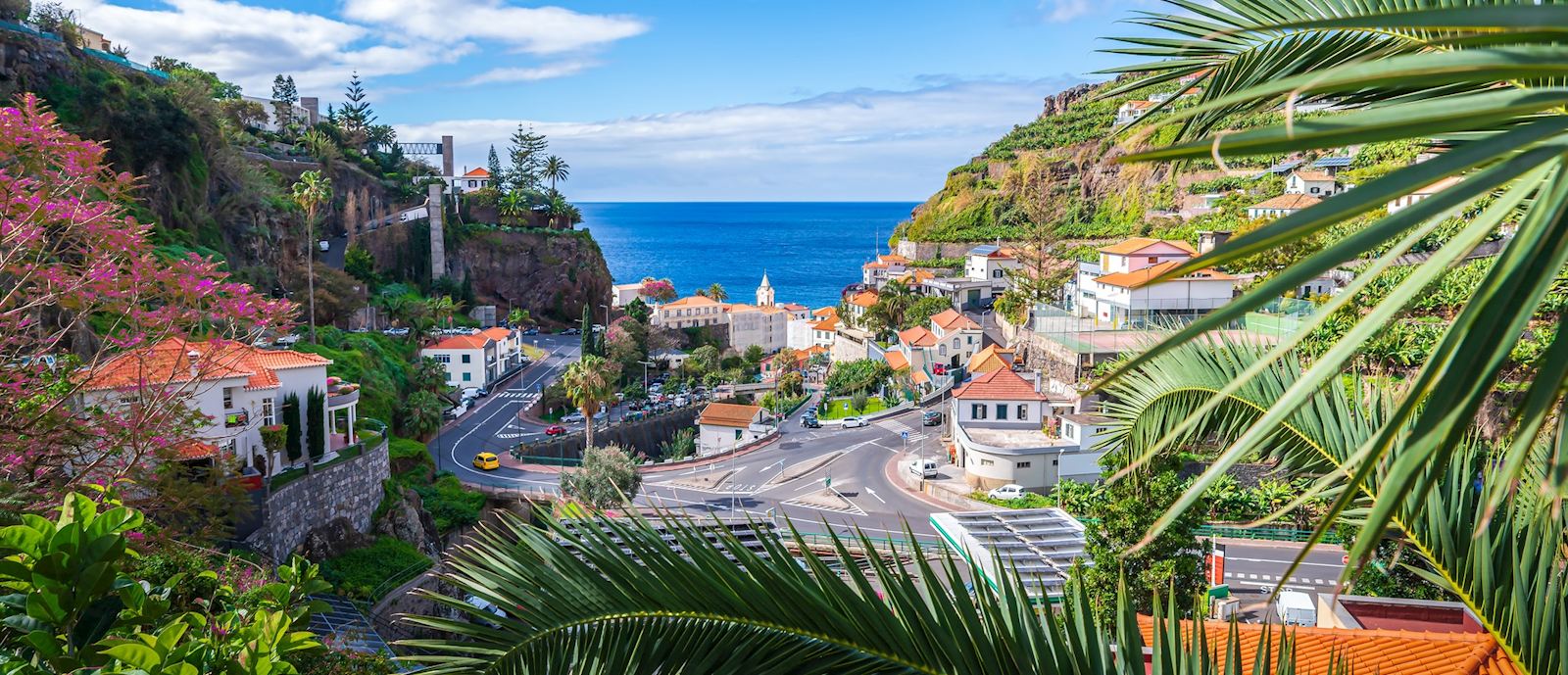
Portugal, Spain, Italy, France, Greece... You’ll find gorgeous, culturally rich cities and towns and beautiful sunny beaches. You can enjoy a high quality of life—yet a surprisingly low cost of living. Starting at $2,500 a month, a couple can live well. With more, you could live large.
If you’ve been dreaming of life in Europe, join us March 20-22, 2027, for International Living’s Fast Track Europe Conference. We’ll meet in Portugal’s sunny Algarve, and our focus will be on Europe’s best destinations to retire better, live well, and spend less.