Thailand attracts people for all the obvious reasons: warm weather, welcoming locals, unforgettable food, dramatic landscapes, and a cost of living that still feels like a secret. Add in a fascinating ancient culture and world-class healthcare, and it’s easy to see why so many expats stay for good.
But Thailand’s real advantage is choice.
Few countries offer such a wide range of lifestyles within a single border. You can live in a global megacity, a relaxed mountain town, or an idyllic coconut island—and still enjoy reliable infrastructure, modern conveniences, and easy travel connections.
Expats who make the jump find places where the weather suits their clothes and life is what they always dreamed it could be. Here are the top five places to live in Thailand, and a couple of locales that are great to visit but perhaps not ideal places to call home.
Your chance to retire overseas now
Your chance to retire overseas now
Learn more about Thailand and other destinations by signing up to our daily IL Postcards e-letter and we'll immediately send you a free report: 20 Countries Compared, Contrasted, Ranked, and Rated.
You don’t have to be rich to enjoy a pampered retirement, you just need to know where to go.
With our 35th Annual Global Retirement Index, our experts hand you a detailed roadmap. Details and a Special Offer Here!

By submitting your email address, you will receive a free subscription to IL Postcards, The Untourist Daily and special offers from International Living and our affiliates. You can unsubscribe at any time, and we encourage you to read more about our Privacy Policy.
Bangkok
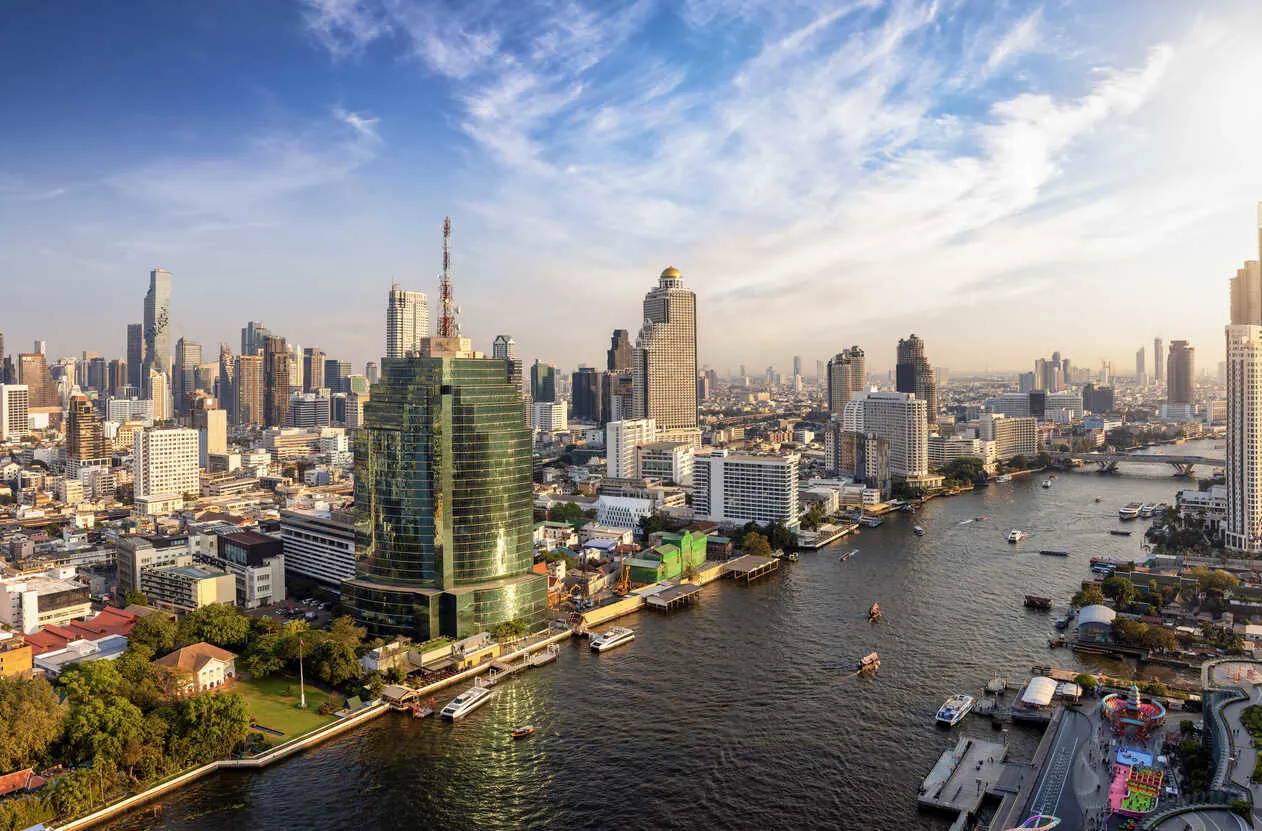
Thailand’s capital is consistently ranked by travel publications as the most-visited city in the world. Over 30 million visitors a year flock to The Big Mango to ride in tuk-tuks, eat Pad Thai on the street, and see the sunrise over the Temple of Dawn.
With a population of over 17 million, Metropolitan Bangkok is a classic Asian Megacity. It is as sprawling as Los Angeles and more densely populated than New York City. For new arrivals, it seems like a buzzing concrete beehive, but once they dial in the vibe, it becomes one of the most accessible and enchanting urban habitats on the planet.
Expats who live in Bangkok become addicted to the efficiency of the public transportation systems that whisk them around this massive city in cool, clean, and affordable comfort.
Equally habit-forming is the cornucopia of cuisines available. From steaming food stalls in Chinatown to Michelin-starred street food at Ran Jay Fai to haute cuisine in Silom with a 360-degree view of the city, Bangkok spoils its residents with a wide range of choices.
Retirees who love big-city energy will find Bangkok ticks all the boxes. It’s safe. It’s walkable. And the healthcare is both affordable and world-class. Living is easy as neighborhoods feel self-contained, with markets, cafes, parks, and services all within easy reach.
Want to live in high-rise luxury? Prefer a townhouse on a leafy lane? Need to spread out in the suburbs? Bangkok has all that and more.
With two international airports, Bangkok is ideally located to explore the entire region. Less than three hours from Singapore or Hong Kong, two hours from Kuala Lumpur and Hanoi, and one hour from Phnom Penh, Danang, and Chiang Mai.
Long-time residents of this magic city all agree, Bangkok is alluringly exotic, mildly chaotic, and shockingly livable.
Estimated monthly expense for a comfortable lifestyle: $3,000 single/$4,500 couple.
Chiang Mai
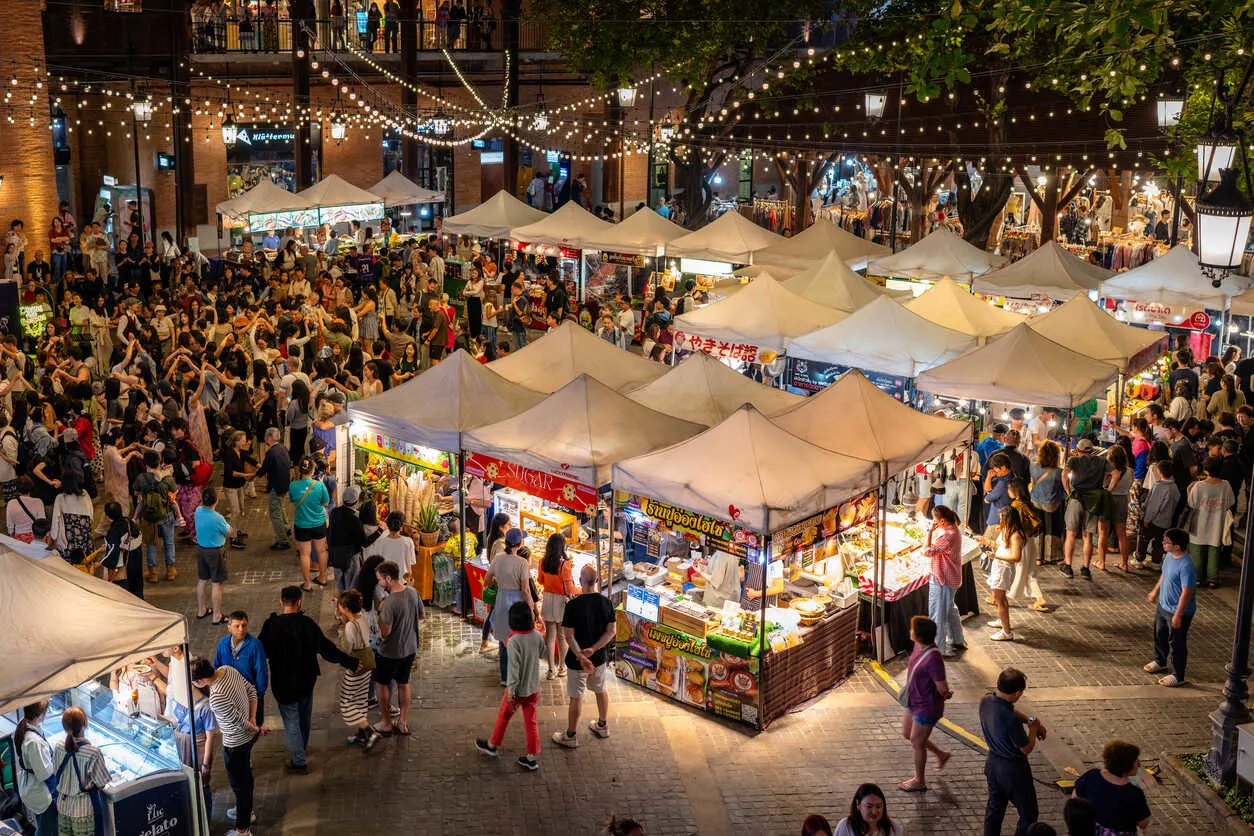
If Bangkok is one side of the Thailand coin, Chiang Mai is the other. No skyscrapers or skytrains—just misty mountains, ancient temples, and a semi-Bohemian lifestyle that many expats say suits them perfectly.
Located in Thailand’s mountainous north-central region near the borders of Myanmar and Laos, Chiang Mai enjoys a semi-tropical climate that many expats prefer to the steamy heat found elsewhere in the country. Winter temperatures can dip into the sixties (F), which feels downright cold to Thais but blissfully comfortable to newcomers from colder climates.
Chiang Mai feels more like a large town than a small city. With a population of roughly 1.3 million, it has plenty of infrastructure and amenities to support an active, engaging lifestyle. The temples and historic wonders of The Old City, encircled by a deep 13th-century moat, anchor the city center, while river rafting, elephant trekking, and nature-based adventures are available year-round just beyond the urban core.
This region was once the capital of the ancient Lanna Kingdom, and its culture remains distinct. The language is slightly different, the cuisine is uniquely northern, and the pace of life is noticeably slower than in southern Thailand.
Tourism plays a role here, but it is far from the whole story. Chiang Mai is a major education hub, home to six universities, including the prestigious Chiang Mai University (CMU), known for its renowned medical program. The city is also a center for NGOs focused on humanitarian work and wildlife conservation, and a significant portion of the expat community is connected to education or nonprofit initiatives.
Those who settle into Chiang Mai’s laid-back rhythm also appreciate the lower cost of living, widespread use of English, and excellent healthcare. In many ways, Chiang Mai feels like the Thailand people imagine before they arrive—a comfortable modern city layered with centuries of cultural patina.
Estimated monthly expense for a comfortable lifestyle: $2,000 single/$3,000 couple.
Grab Your Front-Row Seat from Right There at Home
Ultimate Go Overseas Bootcamp-on-Demand
Retire sooner, travel more, spend less—starting now... let our experts help you map out the path to an international life that suits your interests, goals, and budget.
Eastern Seaboard
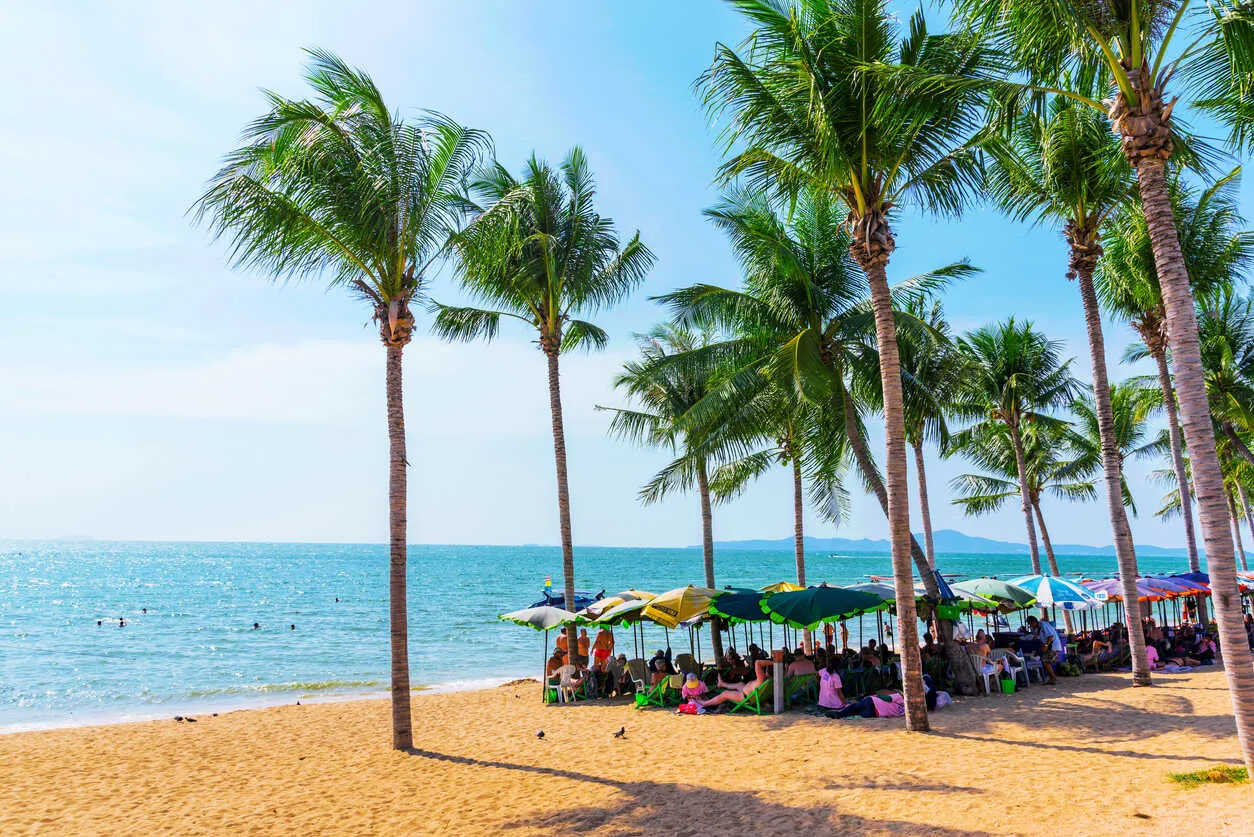
The Gulf of Thailand forms a graceful U-shaped coastline across the heart of the country, and some of Thailand’s most livable communities are clustered along its Eastern Seaboard. The largest seaside city here is Pattaya, a place we’ll explore in more detail later, but it’s the quieter towns just beyond the city limits that truly capture expat attention.
Immediately south of Pattaya City, a series of well-established expat enclaves stretches down the coast. Cosmopolitan Pratumnak Hill offers city conveniences with a cozy beach-town feel. Jomtien Beach runs on forever, lined with high-rise condos, vibrant night markets, funky beach bars, and gentle sea breezes. Farther down, the former fishing village of Bang Sare has reinvented itself as a laid-back retirement haven. And then there’s Rayong Province—arguably one of Thailand’s best-kept secrets.
Many expats who settle along the Eastern Economic Corridor (EEC) follow a familiar path. They start in a tourist hub like Pattaya, where English is widely spoken, Western comforts are easy to find, and culture shock comes in manageable doses. As confidence grows, along with language skills and curiosity, they begin drifting south in search of more space, quieter beaches, and better value.
Life in Jomtien Beach often means modern, sea-view condos, daily trips to open-air markets, and sunsets that never get old. In Bang Sare, the rhythm is even slower. Residents keep an eye on the fishing boats, pull on flip-flops and shorts, and stroll down to the beach to feast on whatever just came in with the tide.
Rayong itself is an industrial port city of roughly 600,000 people, with a long history of hosting expats from around the world thanks to its massive industrial estates. That global influence makes it especially appealing to expat families. International schools, solid infrastructure, and familiar Western amenities are already in place, making day-to-day life surprisingly easy.
For retirees, Rayong’s eastern coastline is where the real magic happens. Long stretches of white sand and quiet seaside towns like Mae Ramphueng and Mae Phim offer relaxed oceanfront living at prices that feel almost unreal. Condos and bungalows are available to rent or buy for a fraction of what similar coastal living would cost in places like Florida or California.
Across this roughly 50-mile stretch of coastline, residents enjoy the best of both worlds. Modern hospitals, international airports, and major shopping centers are always within reach. Bangkok is less than three hours away, Pattaya is under an hour from most towns, and Rayong boasts both excellent hospitals and its own international airport.
For new expats, the Eastern Seaboard is hard to beat. It’s easy to land, easy to learn, and easy to find a coastal community that fits—whether you’re chasing convenience, calm, or something in between.
Estimated monthly expense for a comfortable lifestyle: $1,800 single/$2,700 couple.
Koh Samui
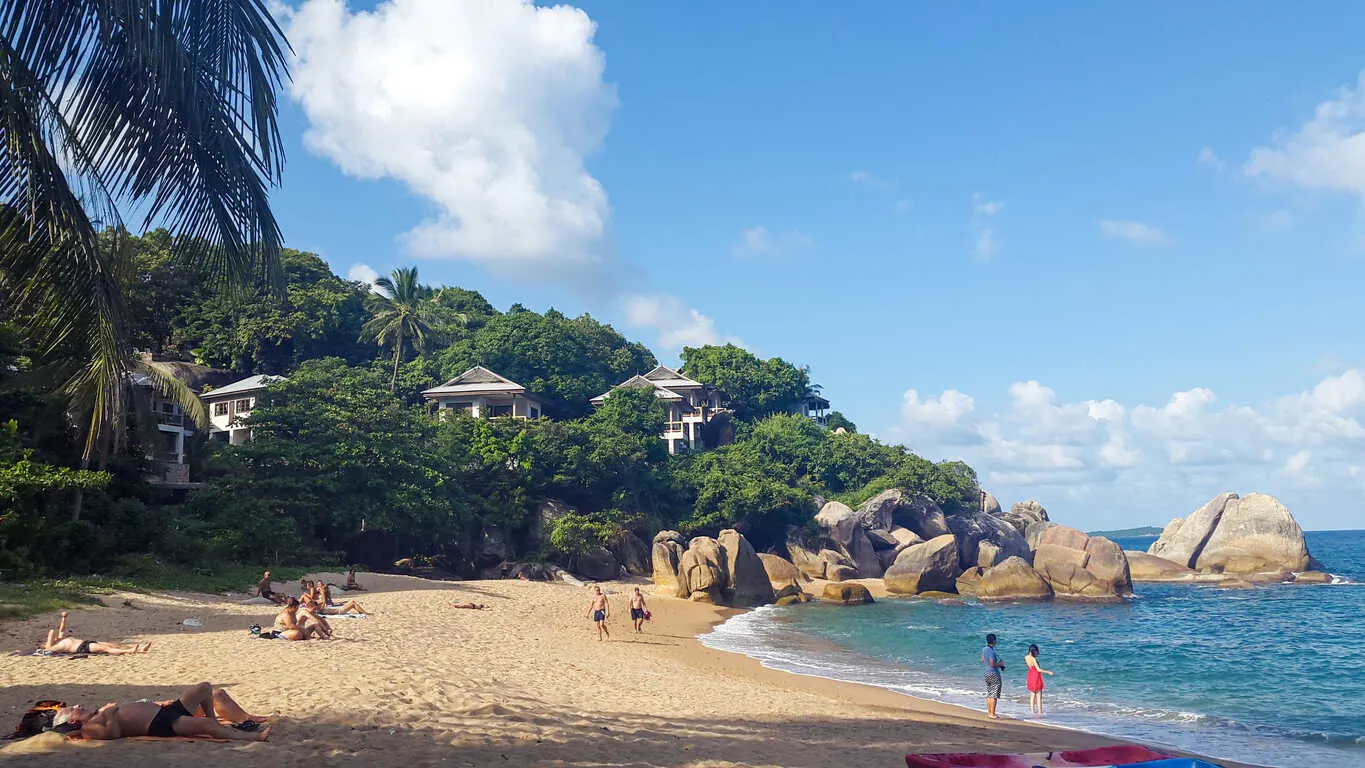
If you’ve ever lingered over a photo of a tropical island that looks almost too perfect—swaying coconut palms, flashes of turquoise water, maybe even a monkey or two—there’s a strong chance it was Koh Samui.
Thailand’s second-largest island sits just over 20 miles off the east coast of the southern peninsula, floating in the calm waters of the Gulf of Thailand. Along with neighboring Koh Phangan and Koh Tao, Samui is part of the Chumphon Archipelago and lies adjacent to the stunning Mu Ko Ang Thong National Marine Park, a protected area comprising 42 islands spanning roughly 25,000 acres of sea and limestone outcrops.
Samui stretches about 16 miles at its widest point, with a rugged, jungle-covered interior rising to Khao Pom, the island’s highest peak at just over 2,100 feet. A coastal road, known locally as the Ring Road or Route 4169, loops around the island for roughly 35 miles. On a good day, you can make the full circuit in about an hour, passing beaches, fishing villages, and hillside viewpoints along the way.
From above, Samui looks almost edible—lush green in the center, ringed with bright white sand beaches that trace the shoreline like the salted rim of a tropical cocktail glass.
Roughly 68,000 people call Koh Samui home, including an estimated 12,000 expats. Longtime residents hail primarily from the UK, Western Europe, Scandinavia, Australia, and New Zealand, and are joined by seasonal “snowbirds” who escape winter in Europe and North America. Over the past decade, the island has also seen a growing number of Russian and Eastern European residents, many of whom run local businesses or work remotely.
Life on Samui varies widely depending on where you settle. The high-energy, tourist-heavy scene at Chaweng Beach isn’t for everyone, and most long-term expats steer clear. Instead, retirees and remote workers gravitate toward quieter areas like Maenam or Bophut, where Fisherman’s Village offers walkable streets, cafes, and a strong sense of community. Lamai Beach attracts a more bohemian crowd, while the west coast’s Baan Taling Ngam appeals to those who want space, sunsets, and a slower pace of life.
Beyond its beaches, Koh Samui is remarkably well equipped for full-time living. The island has its own award-winning international airport with direct flights to Bangkok and regional hubs like Singapore, Hong Kong, and Kuala Lumpur. Several modern hospitals provide 24-hour care, and international schools make island life a realistic option for families with children.
What truly sets Koh Samui apart, though, is how livable it is. Many island destinations are magical for a few weeks—and then start to feel limiting. Samui is different. It’s large enough, developed enough, and social enough to keep life interesting long term. Residents enjoy everything from golf and tennis to water sports, jungle hikes, wellness retreats, and organized sports leagues. There’s no shortage of clubs, meetups, and activities for retirees, digital nomads, and seasonal residents alike.
For those who value a sense of connection, Samui delivers. Sunset often finds people lingering on the beach, chatting about their day. Neighbors look out for one another, and the expat community feels surprisingly close-knit for an island of its size.
When the scenery, the lifestyle, and the people come together, Koh Samui earns its reputation as one of Southeast Asia’s most livable islands.
Estimated monthly expense for a comfortable lifestyle: $2,400 single/$3,600 couple.
The Andaman Coast
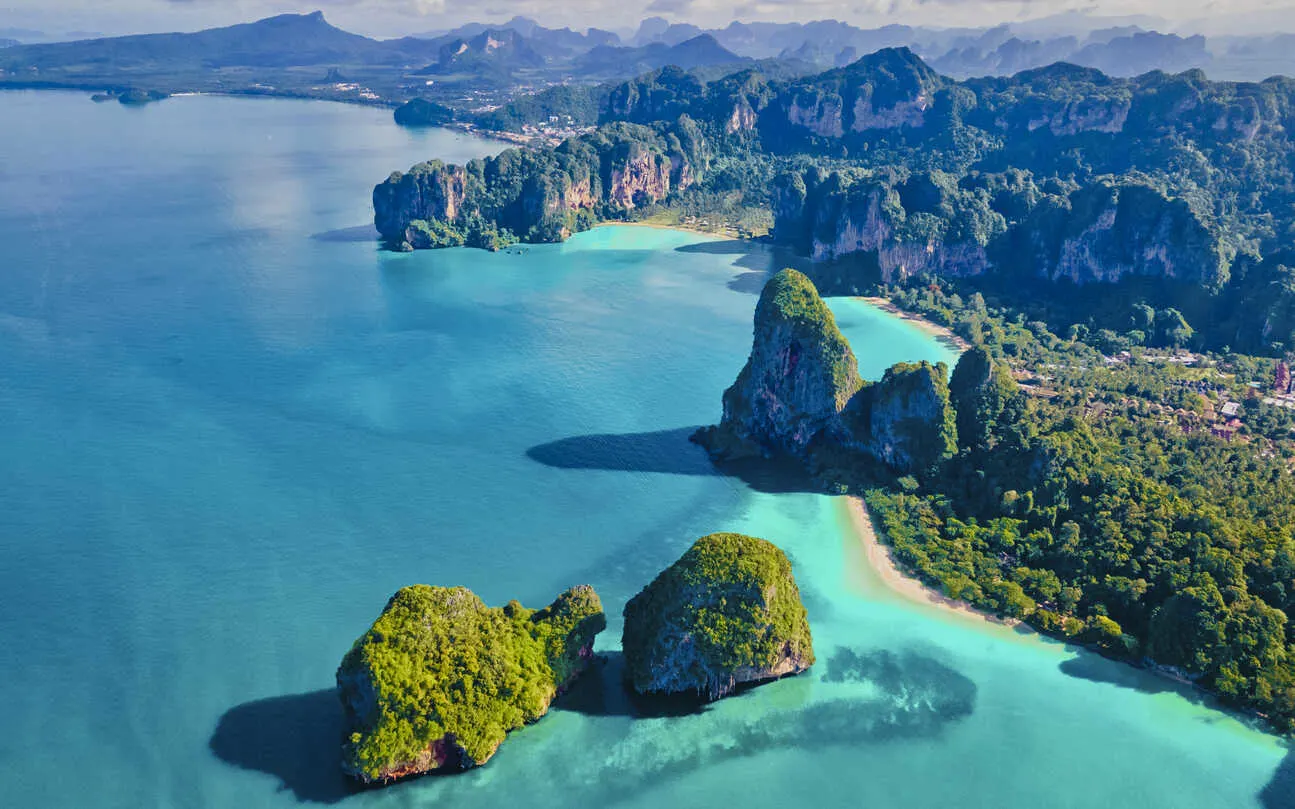
The western edge of the Thai peninsula is washed by the Andaman Sea, an extension of the vast Indian Ocean. The water here is cleaner, saltier, and largely untouched by the monsoon-driven currents that shape Thailand’s inner coastline. The result is a completely different marine world—clearer seas, richer reefs, and a slower, more elemental rhythm of life.
Most visitors are drawn to the islands scattered throughout Phang Nga Bay—Koh Phi Phi, Koh Lanta, and the massive island of Phuket, among them. Life here revolves around the water. Diving, snorkeling, kayaking, sailing—if it happens in, on, or under the sea, this is where it shines. But for those who want access to it all without living in a perpetual tourist zone, the coastal town of Krabi stands out as the best place to put down roots.
Krabi is wrapped in protected national parks filled with dense jungle, cascading waterfalls, dramatic limestone cliffs, and one of the most biodiverse underwater ecosystems on Earth. Ecotourism is the heartbeat of the region, attracting nature lovers seeking to reconnect with something older and wilder. Life here feels grounded, almost primal, in the best possible way.
Just west of Krabi Town lies Ao Nang, the beachside community that has become the hub for long-stay visitors and expats. Retirees appreciate the clean air, relaxed pace, and easy access to Phuket for big-city shopping, hospitals, and entertainment. Digital nomads are drawn by fast, reliable internet, a wide range of housing options, and a cost of living that’s at least 30% lower than neighboring Phuket. Add in Krabi’s efficient international airport, and getting in or out is refreshingly easy.
Culturally, southern Thailand feels distinct from the rest of the country. Newcomers quickly notice the Muslim influence woven into daily life, from the food and architecture to clothing and customs. While fewer than 10% of Thais nationwide are Muslim, nearly 40% of Krabi Province practice Islam. Fishermen and sea gypsies from Malaysia settled this coastline more than 500 years ago, and their presence still shapes the region today. The result is a uniquely tranquil atmosphere, where families have lived in harmony with the tides for generations.
The expat community in Krabi is a diverse mix of retirees, digital nomads, slow travelers, dive professionals, and those on personal or spiritual journeys. Daily life is easy and comfortable, with modern conveniences like shopping malls, movie theaters, Western restaurants, and fully stocked grocery stores such as Makro and Lotus, without sacrificing the natural beauty that makes the Andaman Coast so compelling.
For those who feel most at home near the sea, the Andaman Coast offers a rare balance of beauty, comfort, and authenticity. Life in Krabi moves at a gentler pace, shaped by tides rather than traffic, yet it never feels isolated or impractical. With world-class nature at your doorstep, a welcoming and diverse community, and all the modern conveniences needed for long-term living, the Andaman Coast isn’t just a place to visit—it’s a place to settle in, breathe deeper, and let life simplify itself.
Estimated monthly expense for a comfortable lifestyle: $2,100 single/$3,150 couple.
Your chance to retire overseas now
Your chance to retire overseas now
Learn more about Thailand and other destinations by signing up to our daily IL Postcards e-letter and we'll immediately send you a free report: 20 Countries Compared, Contrasted, Ranked, and Rated.
You don’t have to be rich to enjoy a pampered retirement, you just need to know where to go.
With our 35th Annual Global Retirement Index, our experts hand you a detailed roadmap. Details and a Special Offer Here!
By submitting your email address, you will receive a free subscription to IL Postcards, The Untourist Daily and special offers from International Living and our affiliates. You can unsubscribe at any time, and we encourage you to read more about our Privacy Policy.
Two Places to Avoid
“It’s a nice place to visit, but you wouldn’t want to live there” is an old saying that fits two of Thailand’s biggest tourist destinations perfectly. Both are iconic bucket-list locations. Both are absolutely worth seeing at least once. And both can be excellent places to live near, just not in.
Phuket
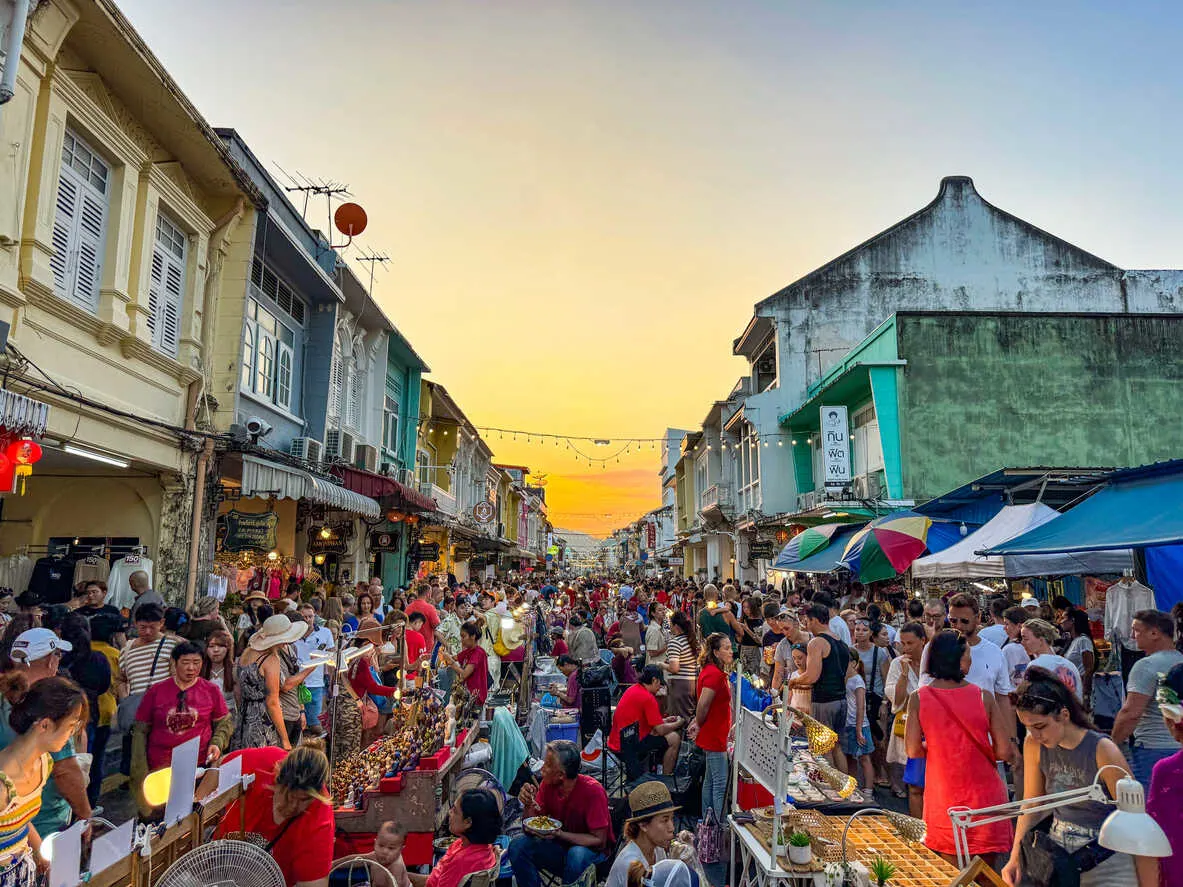
Phuket is Thailand’s largest and most famous island, floating just off the western edge of the Malay Peninsula in the Andaman Sea. It’s a lush, jungle-draped paradise of white-sand beaches, coconut groves, and some of the best seafood in Asia.
It’s also home to a sizable expat population living a distinctly upscale, Miami-esque lifestyle. If money is no object, Phuket can be fantastic. Big villas. Big boats. Big-name resorts with private beaches and even helipads. You can live like a billionaire on a millionaire’s budget, and many people do.
But be warned: Phuket has it all, but it is the most expensive place to live in Thailand.
Tourism is the island’s economic engine, and with roughly 14 million visitors pouring in each year, business is booming. Tourists from China, Russia, and India snap up cheap flights and package deals, while the island’s roads, utilities, and services strain to keep pace. Traffic can be relentless, crowds unavoidable, and what once felt like paradise can quickly turn into a palm-tree prison.
Pattaya
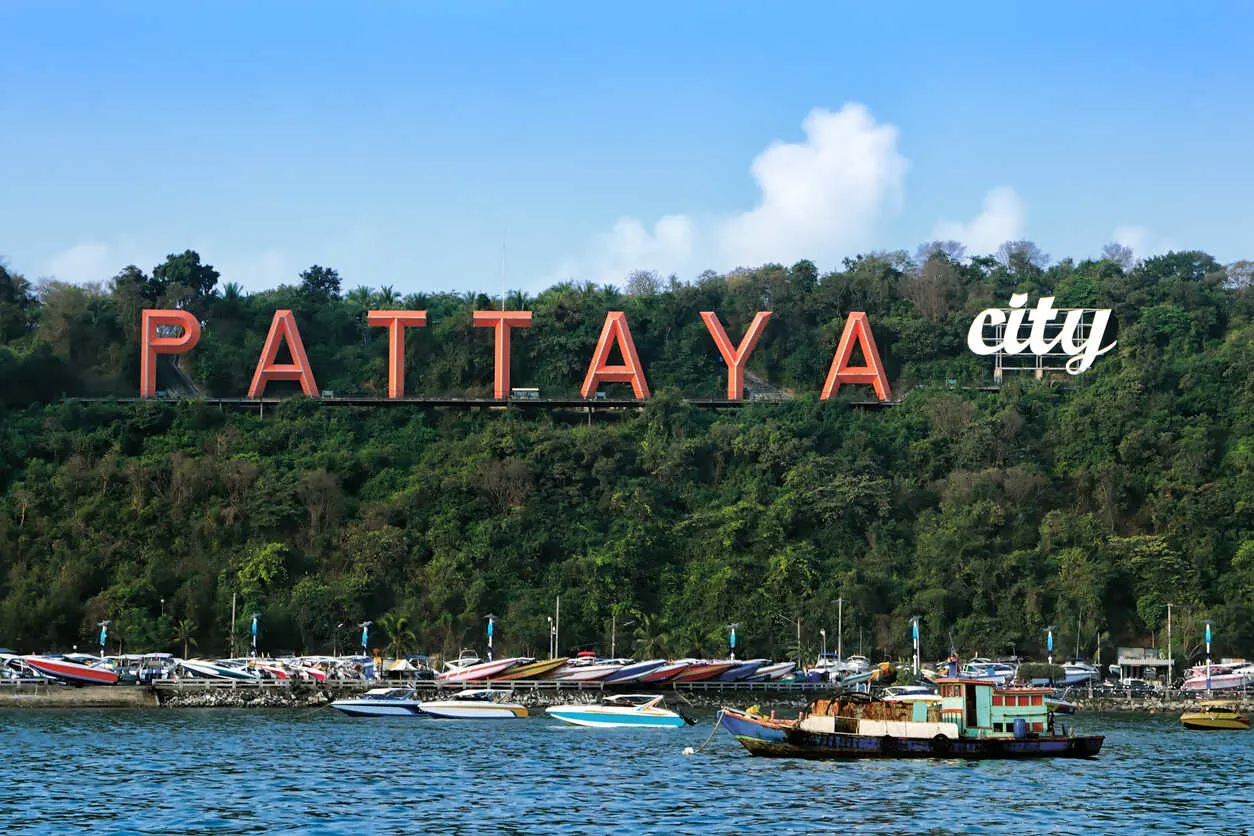
Two hours south of Bangkok lies Pattaya — a seaside resort city with a long and colorful reputation. Once a quiet fishing village, Pattaya became a major R&R destination for U.S. troops during the Vietnam War and evolved into what many still describe as Thailand’s brothel-by-the-sea.
Over the decades, the city has exploded with development and now attracts a wide mix of tourists and residents. Shopping malls, condos, and family attractions have softened its image somewhat, but the seedier side remains — along with the stigma.
An estimated 20 million visitors descend on Pattaya each year, many arriving in tightly packed tour buses and moving through the city in massive, noisy waves. Construction seems endless as infrastructure struggles to keep up. During high season, traffic is brutal, the tourism profile can be off-putting, and while Pattaya may offer some of the best people-watching on Earth, living there wears thin fast.
Fortunately, a short drive south brings you to calmer, more livable communities like Jomtien and Bang Sare, where the beaches are quieter and daily life feels far more humane.
Both Pattaya and Phuket can be excellent choices for certain people, especially those drawn to nightlife, luxury, or nonstop energy. And as destinations, they’re undeniably worth visiting. But as with most heavily touristed hotspots around the world, the sweet spot isn’t in the middle of the chaos; it’s just outside it, where you can enjoy the benefits without paying the full price.
(See Bart Walters' article Five Reasons to Live Near a Tourist Town But Not in One)
Conclusion
Thailand rewards intention. The country’s greatest strength isn’t any single city, beach, or mountain town; it’s the freedom to choose a life that fits. Whether you thrive on Bangkok’s kinetic energy, Chiang Mai’s creative calm, the easy rhythms of the Eastern Seaboard, island living in Koh Samui, or the wild beauty of the Andaman Coast, there is a place here that feels less like an escape and more like home.
And just as important, knowing where not to settle can be the difference between a dream fulfilled and one quietly compromised. Get the match right, and Thailand doesn’t just lower your cost of living, it raises your quality of life in ways that compound year after year.
Your chance to retire overseas now
Your chance to retire overseas now
Learn more about Thailand and other destinations by signing up to our daily IL Postcards e-letter and we'll immediately send you a free report: 20 Countries Compared, Contrasted, Ranked, and Rated.
You don’t have to be rich to enjoy a pampered retirement, you just need to know where to go.
With our 35th Annual Global Retirement Index, our experts hand you a detailed roadmap. Details and a Special Offer Here!
By submitting your email address, you will receive a free subscription to IL Postcards, The Untourist Daily and special offers from International Living and our affiliates. You can unsubscribe at any time, and we encourage you to read more about our Privacy Policy.
Grab Your Front-Row Seat from Right There at Home
Ultimate Go Overseas Bootcamp-on-Demand
Retire sooner, travel more, spend less—starting now... let our experts help you map out the path to an international life that suits your interests, goals, and budget.