

If you have a parent, grandparent, or, in some cases, even a great-grandparent born in Europe, you may already qualify for citizenship in the European Union.
That’s not just a sentimental connection to your heritage. It’s a strategic opportunity. Just prove your ancestral connection, and you’ve opened a world of options.
An EU passport gives you the legal right to live, work, retire, start a business, buy property, and access healthcare across 27 European Union countries. It allows freedom of movement throughout the Schengen Area. It can open educational opportunities for children and grandchildren. And at a time when political and economic uncertainty feels increasingly common, it provides something many readers value deeply: options.
Unlike residency-by-investment programs that require large financial commitments, ancestry-based citizenship comes down to documentation and patience. If you can prove your bloodline and meet the legal criteria in effect at the time of application, you may be entitled to citizenship by right.
Here are 13 European countries where your family tree could unlock a second passport—and potentially a new life abroad.
How to Get a Second Passport
How to Get a Second Passport
According to Forbes, 133 million Americans could be eligible for an EU passport…
Our expert shows you 4 paths to a European passport (and the one he’s taking), plus the most common way for Americans to get a second passport in Europe.
Claim your free report and bonus video when you sign up for International Living's Daily Postcards.

By submitting your email address, you will receive a free subscription to IL Postcards, The Untourist Daily and special offers from International Living and our affiliates. You can unsubscribe at any time, and we encourage you to read more about our Privacy Policy.
Ireland

Ireland offers one of the strongest ancestry-based citizenship programs in Europe.
If you have a grandparent born in Ireland, you may qualify for citizenship by registering in the Foreign Births Register. Once registered, you are an Irish citizen for life and entitled to live and work anywhere in the EU.
For North Americans, Ireland has a major advantage: it’s English-speaking. That removes one of the biggest barriers to relocation.
Lifestyle-wise, Ireland offers dramatic coastlines, lively cities such as Dublin and Galway, a strong rule of law, and a thriving modern economy. The West Coast delivers a slower, scenic pace; Dublin provides cosmopolitan energy.
Costs can be higher than in Southern Europe, particularly in housing. But remember: an Irish passport gives you full access to all EU countries, not just Ireland — and access to the United Kingdom, to boot.
(Editor's Note: We’ve created a detailed Passport to Ireland guide outlining eligibility rules, required documents, timelines, and common mistakes to avoid. If Ireland may be on your family tree, it’s worth reviewing your options.)
Italy
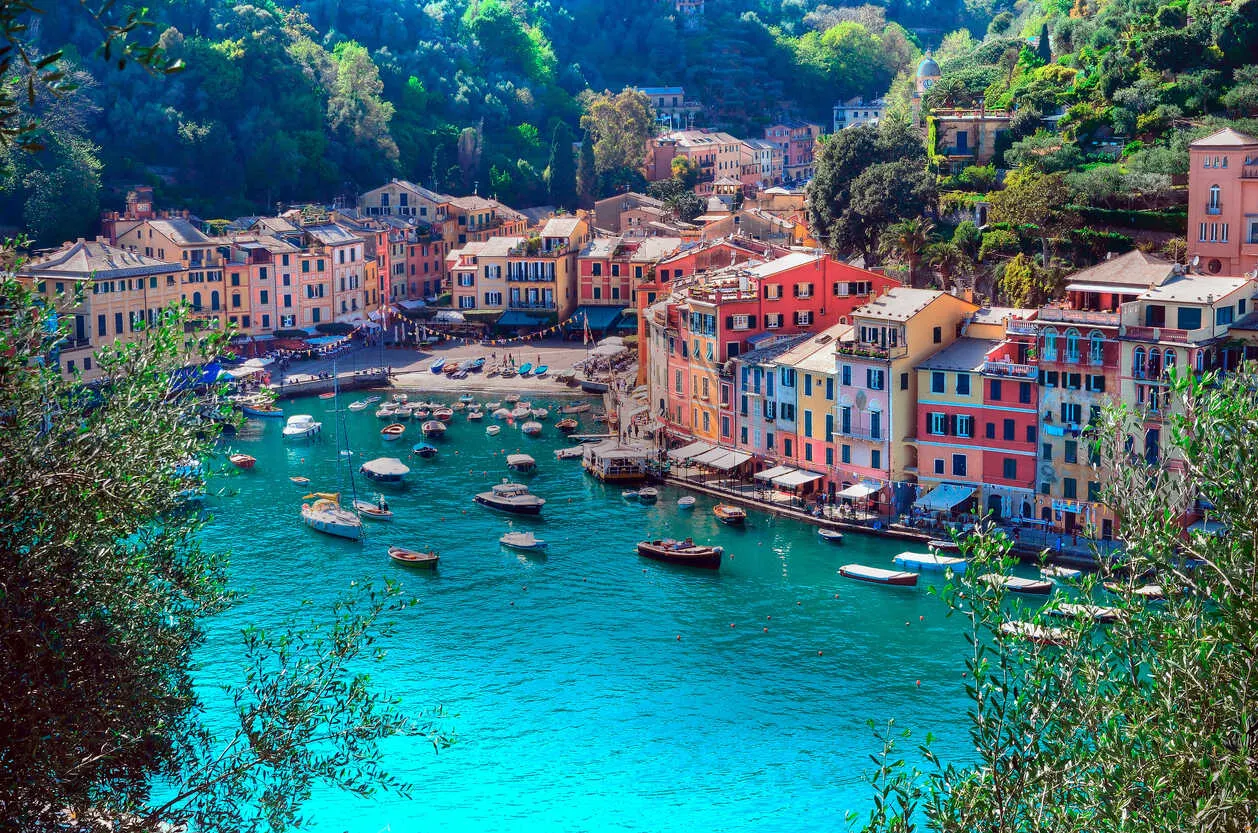
Italy long operated one of Europe’s most generous jus sanguinis (right of blood) citizenship systems. Millions of North Americans trace their ancestry back to Italian emigrants.
However, Italy implemented significant reforms in 2025 that narrowed eligibility dramatically. While citizenship by descent remains available, claims are now more closely scrutinized and limit generational distance and whether an ancestor retained Italian citizenship at the time of their child’s birth.
In practical terms, eligibility often hinges on whether your Italian ancestor naturalized elsewhere before passing citizenship down the line. The “unbroken chain” principle remains central.
If you qualify, the benefits are substantial. Italy offers a Mediterranean climate, exceptional food and culture, and a public healthcare system that is both high quality and affordable by North American standards. Outside major cities, the cost of living can be low.
Portugal

Portugal grants citizenship by descent to children of Portuguese nationals and, in many cases, to grandchildren, provided certain conditions are met.
For grandchildren, applicants typically must demonstrate a meaningful connection to Portugal. This may include language proficiency and/or evidence of ties, depending on how authorities interpret the law at the time of application.
Portugal previously offered a nationality pathway for descendants of Sephardic Jews expelled during the Inquisition. That program has undergone significant revisions in recent years, and eligibility standards have tightened. Prospective applicants should verify the current status and requirements before relying on that route.
Portugal continues to be one of Europe’s most popular relocation destinations. Lisbon, Porto, and the Algarve combine mild climate, modern infrastructure, and comparatively moderate living costs.

Having a Second Passport is Your Right. And It Is Completely Legal
If you don't already have a second passport, why not?
It may be the most essential tool available to you in today's world—because it gives you options. It opens doors that might otherwise be closed to you.
If you appreciate the importance of being able to travel more freely...without expensive or hard-to-get visas...being able to retire overseas more comfortably, buy overseas property free and clear...and once and for all, protecting yourself and your family from political and economic turmoil...it’s time to investigate your options and we’re here to help.
Spain

Spain operates primarily under jus sanguinis, meaning citizenship is acquired through Spanish parents and, in certain cases, grandparents.
Eligibility typically depends on whether a parent was a Spanish citizen at the time of your birth. In some cases, individuals with Spanish grandparents may qualify through declaration or restoration, depending on historical factors.
Spain also provides accelerated residence-to-citizenship timelines for nationals of certain countries with historic ties to Spain. However, Spain’s special law allowing citizenship for descendants of Sephardic Jews had a formal application deadline in 2019 and is no longer open to new applicants.
Lifestyle-wise, Spain remains one of Europe’s most attractive destinations. Sunshine, walkable cities, affordable daily living, and strong healthcare infrastructure make it especially appealing to retirees and lifestyle movers.
France

France recognizes citizenship by descent primarily through French parents. While it is not as expansive at the grandparent level as Ireland or Italy, those with a French parent may already be entitled to nationality.
France operates under a combination of jus sanguinis (right of blood) and jus soli (right of soil), but ancestry claims typically hinge on proving direct transmission from a French citizen parent.
For those who qualify, the lifestyle advantages are substantial.
France offers one of the strongest healthcare systems in Europe, extensive public infrastructure, and a range of living environments—from Mediterranean villages in Provence to Atlantic coast towns and vibrant urban life in Paris and Lyon.
Costs vary widely. Paris is expensive; smaller cities and rural areas can be far more affordable. France also provides full EU mobility rights once citizenship is secured.
Documentation standards are strict, and applicants must clearly prove the transmission of nationality.
Greece

Greece allows citizenship through a Greek parent and, in many cases, through a grandparent.
For descendants of Greek emigrants, particularly those who left during the 20th century, this pathway can be viable with proper documentation.
The lifestyle appeal is obvious. Greece offers Mediterranean weather, island and coastal living, lower property prices than much of Western Europe, and a relaxed pace of life that attracts retirees and remote workers alike.
Athens provides urban infrastructure and international access. Smaller islands and mainland towns offer a slower rhythm and lower living costs.
The main hurdle is documentation. Older civil records may require careful retrieval, especially if ancestors emigrated decades ago. But for those who qualify, a Greek passport grants access to the entire EU.
Hungary
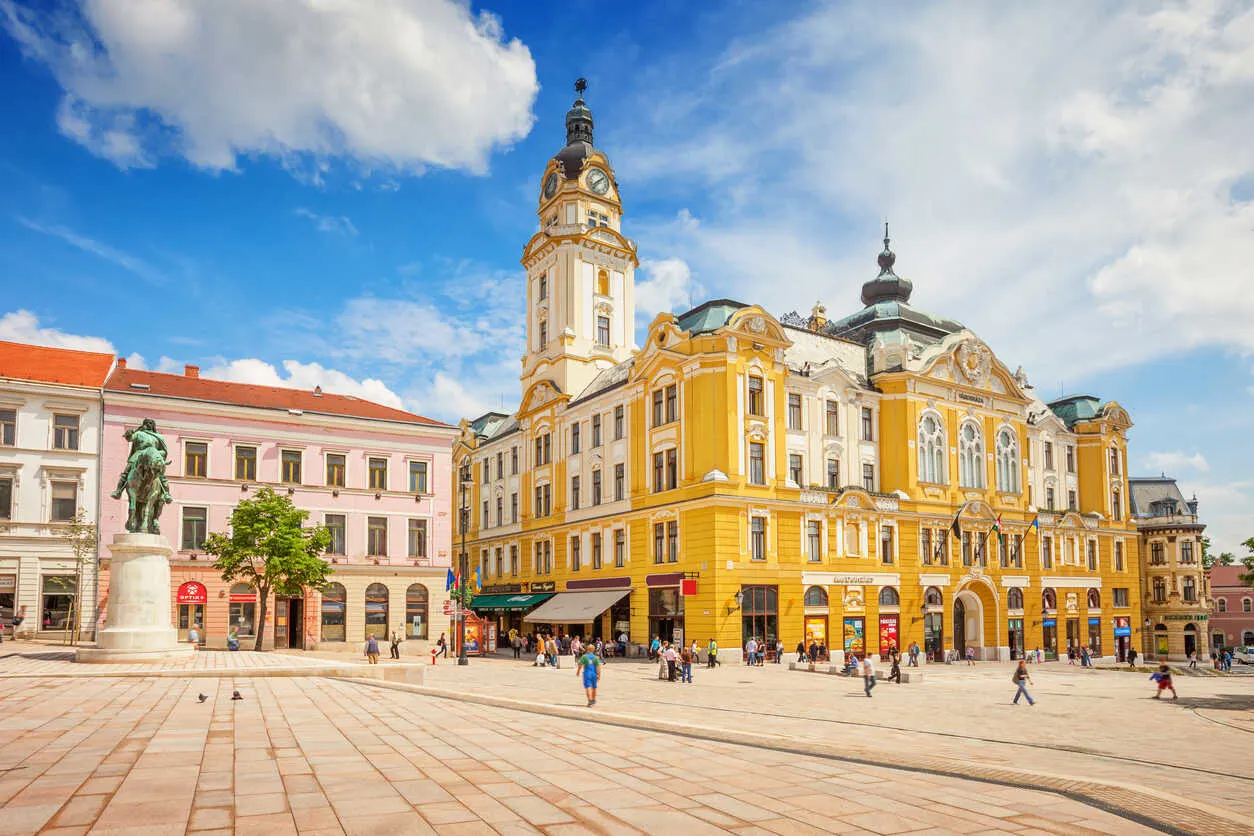
Hungary expanded its citizenship law in 2011, allowing descendants of former Hungarian citizens to reclaim nationality—even generations removed.
This makes Hungary one of the broader ancestry-based programs in Europe.
However, there is a key requirement: applicants must demonstrate proficiency in Hungarian. The interview process is conducted in Hungarian.
For those with strong family ties or cultural connections, this is manageable. For others, it may be a meaningful hurdle.
Budapest offers Central European elegance at a lower cost than Vienna or Prague. Housing and daily living costs remain moderate by Western European standards, and Hungary’s central location makes travel across Europe easy.
For applicants willing to meet the language standard, Hungary remains one of the more accessible ancestry pathways.
How to Get a Second Passport
How to Get a Second Passport
According to Forbes, 133 million Americans could be eligible for an EU passport…
Our expert shows you 4 paths to a European passport (and the one he’s taking), plus the most common way for Americans to get a second passport in Europe.
Claim your free report and bonus video when you sign up for International Living's Daily Postcards.
By submitting your email address, you will receive a free subscription to IL Postcards, The Untourist Daily and special offers from International Living and our affiliates. You can unsubscribe at any time, and we encourage you to read more about our Privacy Policy.
Poland
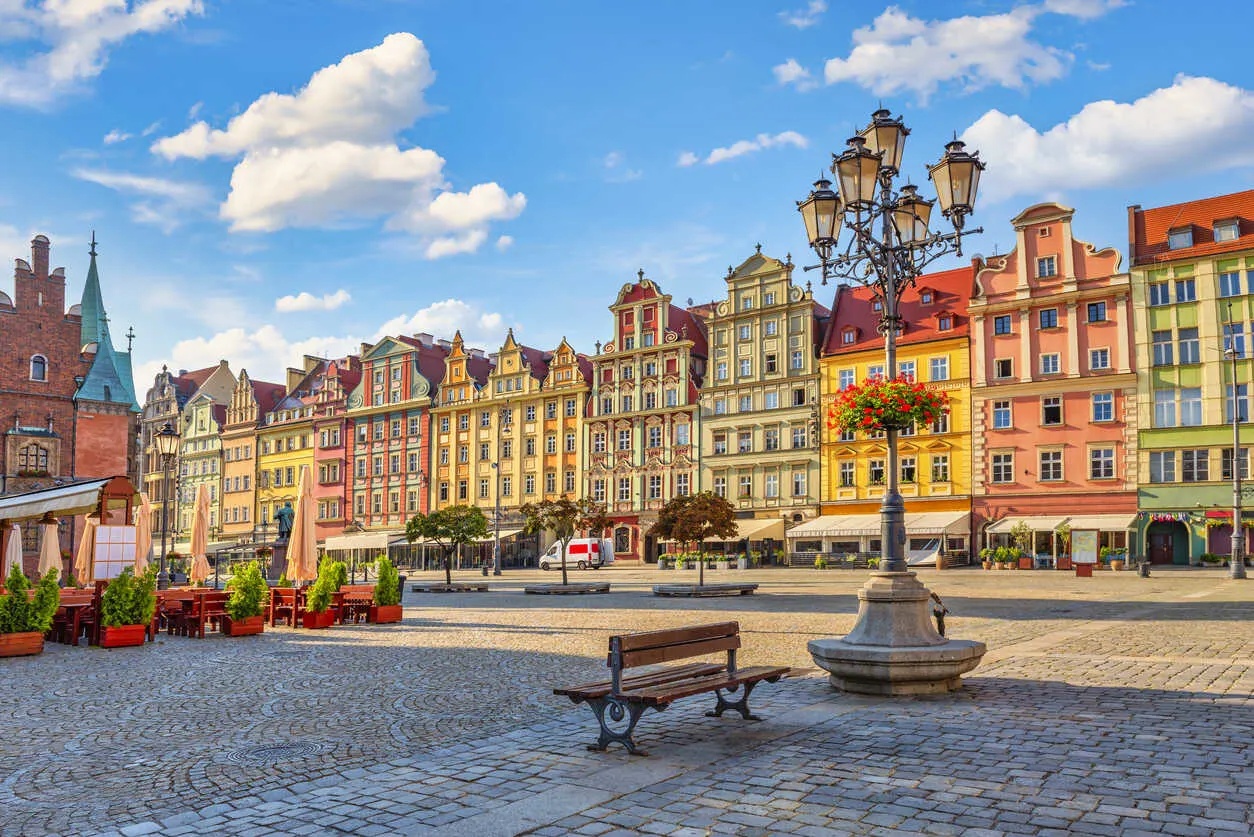
Poland allows citizenship claims through a parent, grandparent, or even great-grandparent.
That makes it particularly attractive for Americans whose Polish ancestors emigrated in the late 19th or early 20th century.
But there is a crucial condition: the citizenship chain must remain legally unbroken. If an ancestor naturalized elsewhere before passing on Polish citizenship, eligibility may have been lost.
This is where many applications succeed—or fail.
On the lifestyle front, Poland is a modern, fast-growing EU economy. Cities like Warsaw, Kraków, and Wroclaw combine historic architecture with strong business sectors. Rental prices remain significantly lower than in Western Europe.
Processing can be document-heavy and may require legal assistance, but for eligible applicants, the reward is full EU mobility.
Romania

Romania grants citizenship by descent and provides restoration mechanisms for descendants of individuals who lost Romanian citizenship due to 20th-century political changes.
Romania permits dual citizenship, an important factor for many North American applicants.
In recent years, Romanian authorities have increased scrutiny of applications in response to fraud concerns. Documentation standards are strict, and language knowledge requirements have been reinforced in certain cases.
For successful applicants, Romania offers full EU citizenship rights, a relatively low cost of living, and a flat income tax rate.
Bulgaria

Bulgaria grants citizenship by descent to individuals of Bulgarian origin. If you can prove Bulgarian ancestry, you may qualify without having to complete long-term residency.
For many applicants, the key lies in documentation proving ethnic Bulgarian roots. This can require archival records and formal verification.
Lifestyle-wise, Bulgaria is one of the most affordable countries in the European Union. Property prices remain low compared with those in Western Europe. The Black Sea coast offers beach living, while mountain regions provide ski resorts and rural retreats.
Bulgaria also maintains a flat income tax system, making it financially attractive for entrepreneurs and retirees.
For those with Bulgarian ancestry, this is one of the EU’s more cost-effective gateways.
Czech Republic
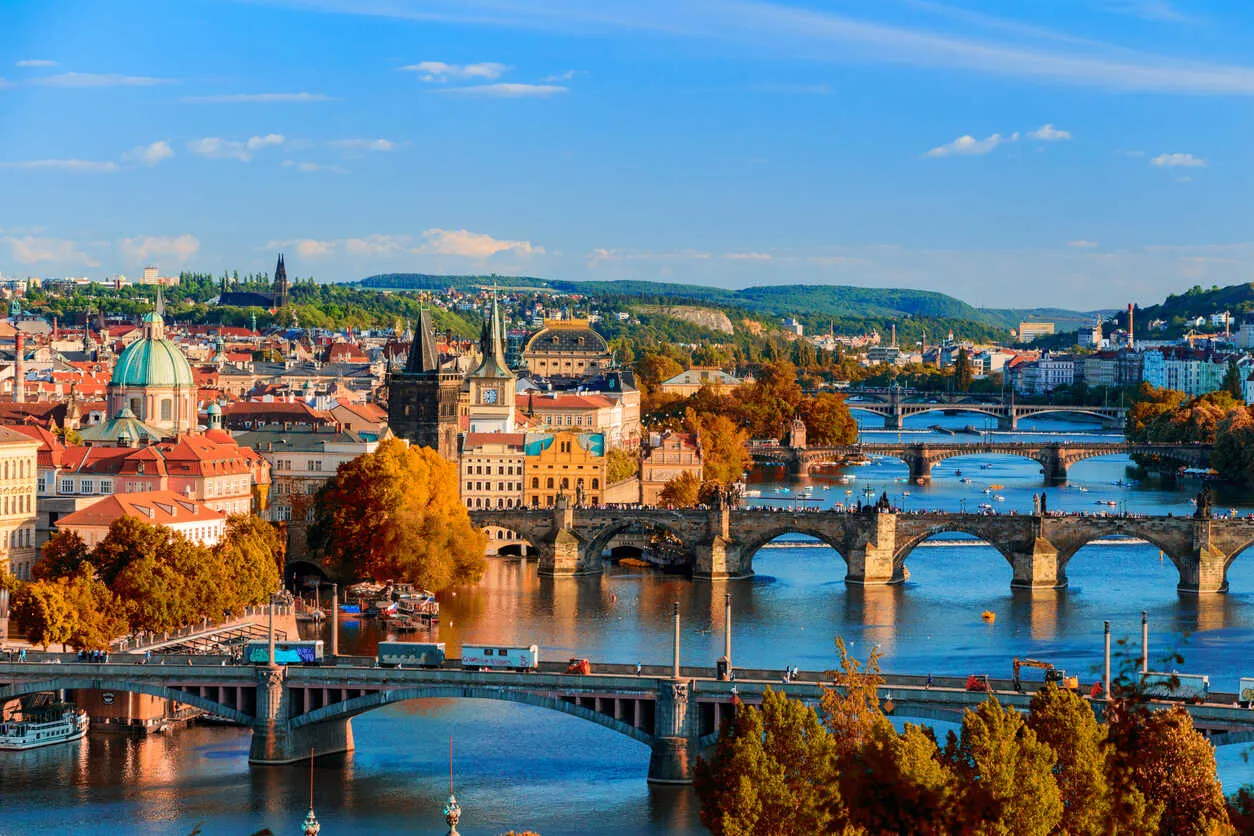
The Czech Republic offers citizenship through descent and has restoration provisions for those whose ancestors’ lost citizenship during the communist period.
Applicants must demonstrate a clear legal connection to a Czech parent or qualifying ancestor.
Prague consistently ranks as one of Europe’s most livable cities—offering cultural depth, reliable infrastructure, and lower daily costs than cities like Paris or Amsterdam. Beyond Prague, towns such as Brno and Český Krumlov provide charm at even more moderate price points.
The Czech Republic is centrally located, making travel across Europe convenient. As with most ancestry programs, documentation standards are high, and familiarity with the language may help navigate the process.
Slovakia

Slovakia allows citizenship by descent to the third generation, making it particularly relevant for North Americans whose Slovak ancestors emigrated in the 19th or early 20th centuries.
There is also a special pathway for those whose ancestors lost citizenship due to political changes in the 20th century.
Slovakia’s capital, Bratislava, sits along the Danube and offers easy access to Vienna, Budapest, and Prague. The country combines affordability with EU mobility and a stable euro-based economy.
Language requirements may apply, and naturalization (outside of ancestry claims) can take up to eight years. But for eligible descendants, the pathway can be significantly faster.
For those seeking a lower-cost Central European base, Slovakia deserves serious consideration.
Malta
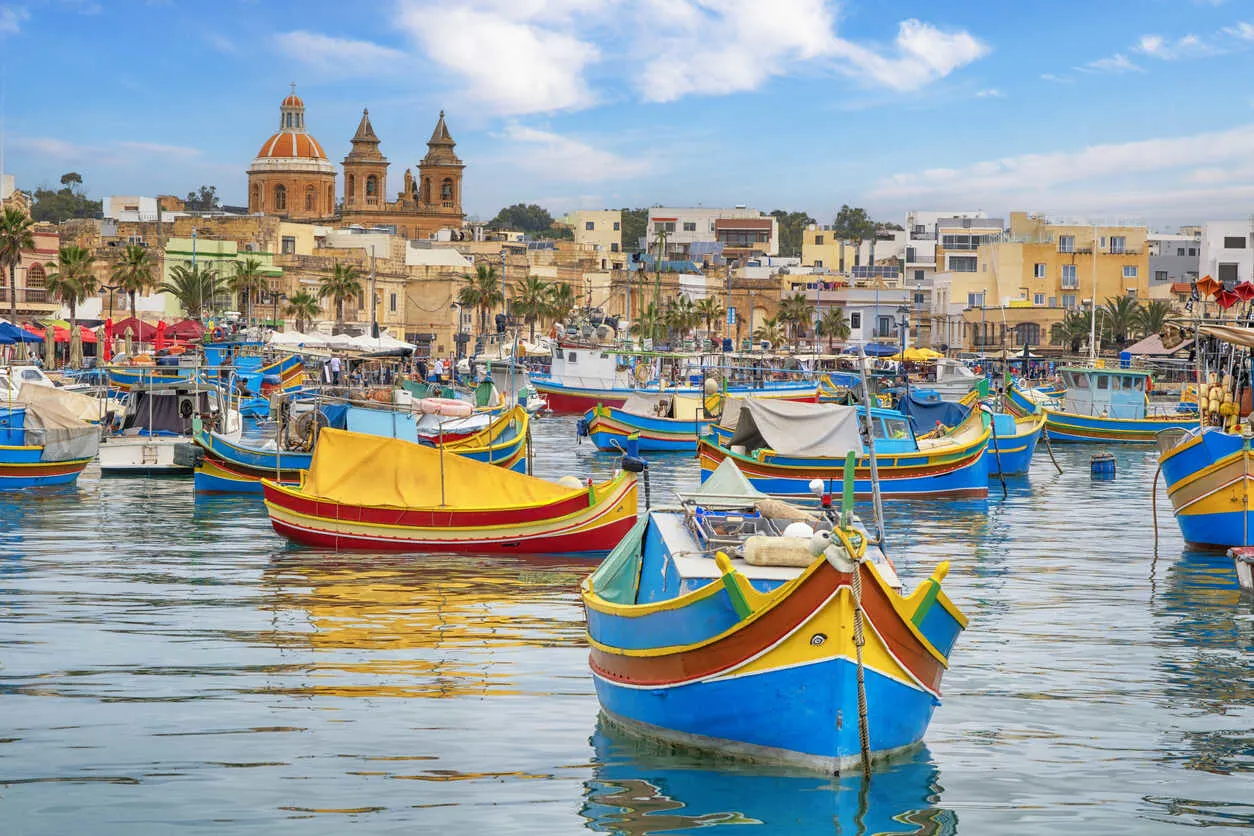
Malta automatically grants citizenship to individuals with at least one Maltese parent.
There are also registration pathways for certain descendants of Maltese citizens. However, these cases are more fact-specific and depend on dates of birth and changes to Malta’s nationality laws over time.
Malta permits dual citizenship, which is a significant advantage for applicants who wish to retain their original nationality.
For North Americans, Malta offers a practical advantage: English is an official language and widely spoken. The island nation combines Mediterranean weather, strong healthcare, low crime rates, and full EU mobility rights.
Those considering ancestry claims should confirm eligibility with Malta’s official citizenship authorities, as historical amendments to nationality law may affect eligibility.
Why Ancestry Citizenship is Worth Exploring Now
For many readers, the idea of European citizenship feels distant—something reserved for investors, corporate transfers, or people willing to navigate years of residency requirements.
But ancestry changes the equation.
If your family tree includes roots in Ireland, Italy, Poland, Portugal, Spain—or any of the countries above—you may already have a legal pathway to an EU passport. Not through investment. Not through long-term relocation. But through birthright.
And the value of that second citizenship goes far beyond travel.
An EU passport means:
The right to live and retire anywhere in the European Union
Access to high-quality public healthcare systems
The ability to buy property without restriction
The freedom to work, start a business, or study across 27 countries
Educational access for children and grandchildren
Greater global mobility and security
For retirees, it may mean affordable healthcare and a Mediterranean climate.
For working professionals, it could mean geographic flexibility.
For families, it provides long-term opportunity for the next generation.
Even if you never relocate permanently, citizenship gives you options—and options have real value in an uncertain world.
The key is understanding the rules. Each country has its own documentation requirements, language expectations, and eligibility standards. In some cases, the citizenship chain must remain legally intact. In others, restoration laws or historical exceptions apply. Because the details can determine whether you qualify—or not—many readers choose to get professional guidance before beginning the process. If you’d like clarity on your specific situation, you can consult directly with Ted Baumann, our Global Diversification Chief, to assess your eligibility and next steps.
For many International Living readers, the appeal of Europe has always been clear: walkable cities, strong healthcare systems, cultural richness, and a slower pace of life.
What’s less obvious is that you may already have a legal right to be there.
And that’s worth exploring.
How to Get a Second Passport
How to Get a Second Passport
According to Forbes, 133 million Americans could be eligible for an EU passport…
Our expert shows you 4 paths to a European passport (and the one he’s taking), plus the most common way for Americans to get a second passport in Europe.
Claim your free report and bonus video when you sign up for International Living's Daily Postcards.
By submitting your email address, you will receive a free subscription to IL Postcards, The Untourist Daily and special offers from International Living and our affiliates. You can unsubscribe at any time, and we encourage you to read more about our Privacy Policy.
Consult with Me, One-on-One
My Mission: To Make Your Life Simpler, Safer, and Freer … Not More Complicated
Stop overcomplicating, second-guessing, or giving in to “information paralysis” … Let’s sit down together (online), and I’ll help you create a custom blueprint for your international goals… second passports, tax, travel, retirement, estate, business, and more…