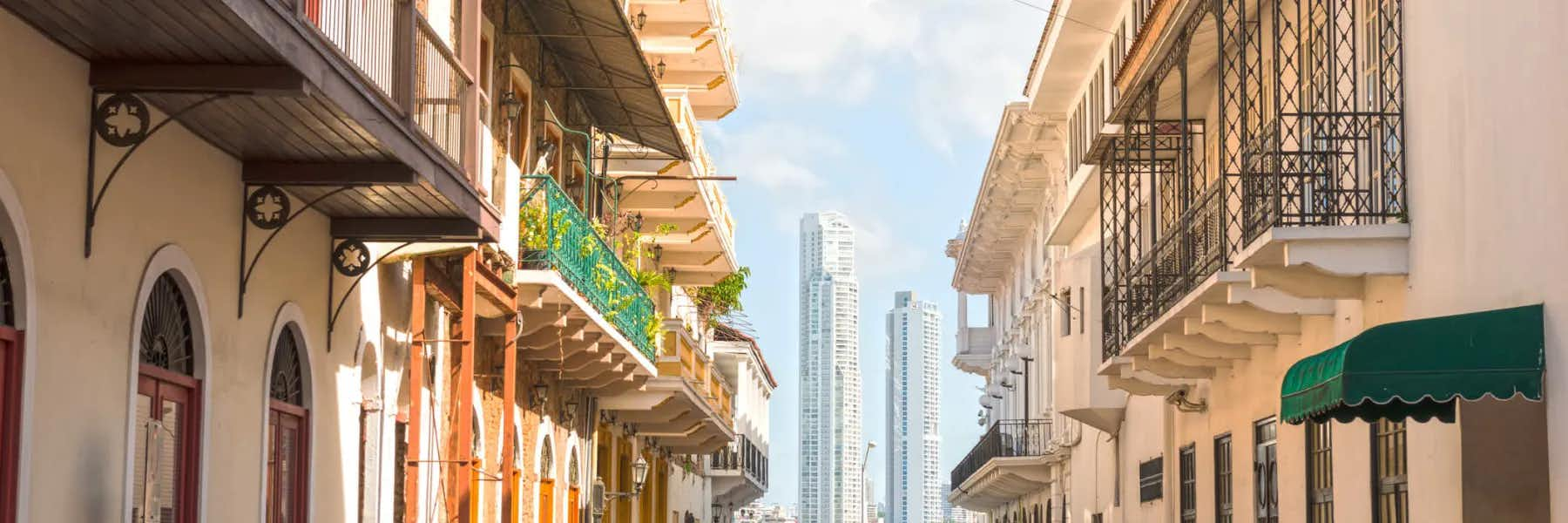
For retirees seeking affordable residency options, valuable visa benefits, and a warm welcome abroad, the “Visa and Retiree Benefits” category highlights the best destinations to consider. From Ecuador’s accessible Pensioner Visa to Panama’s still-strong Pensionado program, these countries continue to offer compelling pathways for expats planning a new chapter overseas.
This year’s guide features the latest insights on visa processes, recent policy updates, and unique retiree perks in Costa Rica, Ecuador, Greece, Mexico, and Panama.
Each section breaks down the main visa options, eligibility requirements, and long-term benefits—along with practical tips for navigating local bureaucracy. Whether you’re exploring part-time residency or a full relocation, this guide offers the essential details to help you make a smooth, informed move.
The World’s Best Retirement Havens for 2026
The World’s Best Retirement Havens for 2026
24 Countries Compared, Contrasted, Ranked, and Rated. You don’t have to be rich to enjoy a pampered retirement, you just need to know where to go. With our 35th Annual Global Retirement Index, our experts hand you a detailed roadmap. Details—and a Special Offer—Here

By submitting your email address, you will receive a free subscription to IL Postcards, The Untourist Daily and special offers from International Living and our affiliates. You can unsubscribe at any time, and we encourage you to read more about our Privacy Policy.
5. Costa Rica
By Bekah Bottone

You can enter Costa Rica on a tourist visa for up to 180 days, which is perfect for snowbirds. Many people live here as perpetual tourists, but I don’t recommend that approach for anyone planning to stay full-time. Still, until your plans are firm, it’s a workable option.
There are three main paths to temporary residency. The Pensionado program is for retirees who can show a minimum monthly income of $1,000 from a pension or retirement fund. Rentista status requires a $60,000 deposit in a local or international bank, along with a monthly transfer of $2,500 into a Costa Rican account over two years. After 24 months, you must deposit another $60,000 to renew. The Inversionista option allows you to apply by making a one-time $150,000 investment in real estate, stocks, bonds, or other qualifying assets.
These temporary residencies are valid for two years and can be renewed as long as you continue to meet the criteria. Temporary residents may own a business, but they aren’t allowed to perform labor themselves—they must hire employees.
After three years as a legal temporary resident, you can apply for permanent residency, which is renewable every five years and allows you to work legally in the country.
The residency process generally takes between six and twelve months, though it can take longer if there are errors in your application. Hiring a lawyer is highly recommended, and I always recommend Themis Legal. They offer helpful services like fingerprinting and document apostilles. I completed most of my paperwork on my own, but speaking Spanish really helped.
I’ve had permanent residency in Costa Rica for about 13 years. I first applied as the spouse of a Tico, then changed my category to mother of Ticos after my children were born. An Immigration officer kindly suggested the switch, which was a great example of how helpful people can be during the residency process. Although many people complain about bureaucracy in Costa Rica, I found that, in this case, people were supportive and made my transition easier.
Once you’re a permanent resident and over 65, you qualify for Ciudadano de Oro benefits. These include free local bus rides and senior discounts at more than 1,600 businesses, including pharmacies, hotels, shops, and labs.
Maintaining your residency also requires enrolling in the national healthcare system, known as the Caja. What you pay depends on your specific situation, so it’s wise to consult a lawyer to calculate your monthly cost. The Central Valley is known for having the best healthcare facilities in the country.
One last tip: smile and be kind when handling paperwork at any Costa Rican office. That attitude helped me more than once; people were happy to give me their emails and phone numbers in case I had follow-up questions. Super Pura Vida.
Full Guide to Visa and Residency in Costa Rica Here.
“The $10K-a-Month Online Income Engine”

The true story of how I set up a portable, side income… completely online... while working a full-time job as a corporate executive – and used it to retire EARLY.
(and why I’m sharing my knowledge with you during a special one-day event)
4. Ecuador
By Joel Kaplan

We moved to Ecuador in 2011, and at the time, the immigration system was a mess. It took us over nine months to get approved. These days? Things are much smoother. Depending on the visa, approval can now take less than a month.
There are several paths to residency in Ecuador. We chose the Investor Visa, which is based on property ownership. Today, that requires a minimum investment of $47,000 in real estate, stocks, or a business. When we applied, it was only $25,000. Other common options include the Pensioner Visa, which requires proof of at least $1,275 a month in guaranteed income, and the Professional Visa for those with a university degree recognized by the Ecuadorian government.
Though it’s possible to apply on your own, I strongly recommend working with a local facilitator. We hired an English-speaking Ecuadorian attorney before we even moved. He guided us through the process and completed our paperwork. In Ecuador, connections matter as much as correctly filled-out forms. A skilled facilitator can save you time, money, and frustration.
Bureaucracy here can still be tricky. I recently renewed my visa and cedula (Ecuador’s national ID). Even with help, I had to visit the immigration office multiple times and correct mismatched data across three different computer systems. In my case, one entry had my wife’s middle name listed incorrectly, and the fix required a formal request to the central office in Quito. We waited two weeks for the correction and made the 45-minute drive back to complete the process. That’s Ecuador: sometimes complicated, always worth it.
For retirees, the perks are real. Seniors with a cedula enjoy priority service in government offices, banks, and elsewhere. There are generous discounts, too. If you book airline tickets from within Ecuador, you can get 50% off the base fare, excluding taxes and fees, but still a savings of 30% to 35% overall. There’s also a rebate on the 15% national sales tax (IVA) for major purchases. Just be sure to keep your receipts and consider consulting a local accountant to file for it properly.
Seniors also get 50% off intercity bus fares. While local rides are cheap to begin with—often less than $1—many expats take full advantage of this discount when exploring the country.
In Ecuador, seniors are respected, and the government backs that up with real benefits. For those seeking an affordable, welcoming place to retire, with multiple visa options and meaningful perks, Ecuador continues to deliver.
Full Guide to Visa and Residency in Ecuador Here.
The World’s Best Retirement Havens for 2026
The World’s Best Retirement Havens for 2026
24 Countries Compared, Contrasted, Ranked, and Rated. You don’t have to be rich to enjoy a pampered retirement, you just need to know where to go. With our 35th Annual Global Retirement Index, our experts hand you a detailed roadmap. Details—and a Special Offer—Here
By submitting your email address, you will receive a free subscription to IL Postcards, The Untourist Daily and special offers from International Living and our affiliates. You can unsubscribe at any time, and we encourage you to read more about our Privacy Policy.
3. Greece
By Leena Horner

When my husband and I considered retiring overseas, we wanted somewhere affordable with a warm, welcoming community. Greece has turned out to be everything we hoped for and more.
One of the biggest surprises was Greece’s tax incentive for retirees. Through a special program, we pay a flat 7% tax on foreign retirement income, including Social Security, pensions, and IRAs, for up to 15 years. While this doesn’t eliminate U.S. taxes entirely, a tax treaty between Greece and the U.S. prevents double taxation. So the 7% we pay in Greece reduces our U.S. tax liability dollar for dollar.
The day-to-day perks are also meaningful. I didn’t think much of senior discounts at first, but those 20–25% savings on ferries, buses, and cultural sites really add up. When we take the ferry from Corfu Town to the mainland, the discounted ticket often covers the cost of dinner out. We also take advantage of free admission days at state-run museums and archaeological sites, usually on national holidays or the first Sunday of each month.
We chose private insurance for healthcare, and I’ve been very impressed with the quality. As a retired physician, I recognize excellent care when I see it. When I needed an MRI for my back, it was scheduled within two days and cost around €200. My husband’s monthly blood pressure medication is less than €10. Good healthcare here is not just accessible, it’s affordable and delivered with care.
Our first residence permit in 2021 was the Financially Independent Person (FIP) permit, which required a passive income of at least €2,000 per month for one person, or €2,400 for a couple. The process was straightforward, and we settled into life on Corfu within three months.
In 2022, after buying our home, we switched to the Golden Visa, which is available to anyone investing at least €250,000 in real estate. This has been ideal for us—it offers long-term security and doesn’t require us to be in the country full time. In some high-demand areas like Athens, the minimum investment has since increased, but for many regions, €250,000 still qualifies.
For younger people or remote workers, Greece offers a digital nomad visa. As long as you can show steady online income or remote employment, you can live here legally while working abroad.
In 2024, Greece adjusted financial requirements for all visa types. The FIP and digital nomad permits now require a minimum monthly income of €3,500. The Golden Visa investment threshold remains €250,000 in many areas, but has additional restrictions depending on location. I strongly recommend consulting a local attorney to help navigate the application process and understand the most current requirements.
Living here, it’s not just about the savings. It’s about waking up to sea views, the kindness of neighbors, and the peace of knowing you can afford your life, and your care, as you age. Greece has made our retirement not only possible, but truly enjoyable.
Full Guide to Visa and Residency in Greece Here.
2. Mexico
By Bel Woodhouse

Bob in Tulum made me laugh when he said, “With my Permanent Residency, I got a 70% discount on my property tax. It was $35. For the year. That’s because I paid it early, but still, I couldn’t get a decent steak for that back home”.
I hear stories like his all the time. One friend swears the best perk is garbage pickup—daily service for just $40 a year, a bill she used to pay monthly back in the U.S. And then there are the day-to-day discounts I love. When a friend visited recently, we took the ferry to Playa del Carmen. Her ticket was $15. Mine? Just $4, thanks to my residency card.
And it doesn’t stop there. On hot days, I’ll head to the cinema, where I can catch the latest blockbuster in a big, comfy chair and enjoy blissful air conditioning—all for $4. That means more money for caramel popcorn and my favorite dark chocolate-covered blueberries. Savings like these add up… even if your waistline might not thank you.
Some benefits are nationwide. On a recent trip to Mexico City for a friend’s wedding, I visited Chapultepec Castle. On Sundays, residents get in free. I skipped the line and strolled right in.
Getting residency today is even easier than when I did it nine years ago. Back then, I went the traditional route, starting with Temporary Residency for one year, renewing each year for four years. After that, I automatically became a Permanent Resident with no extra paperwork.
That’s still an option, and a popular one too, since the income requirements for Temporary Residency are lower. But now, it’s also easy to go straight to Permanent Residency. One friend handled all her paperwork at the Mexican consulate in Texas. She and her husband flew down to Cozumel, walked into the immigration office, and picked up their cards. No stress, no hassle.
The system is almost entirely digital now, which speeds everything up, provided you have your paperwork in order. Just tick the boxes, and you’re good to go.
It’s also affordable to get help. Immigration lawyers and local residency consultants are available throughout Mexico. Another couple I met in Mérida worked with a consultant who helped them complete the process in a single day. They coordinated before arriving, flew in, and were accompanied to the immigration office. These consultants make a big difference, they act as translators, guides, and fixers, smoothing the path through what could otherwise be a stressful system.
In Mexico, residency isn’t just accessible—it’s packed with perks. From real savings to cultural privileges, it adds up to a more relaxed, enjoyable life.
Full Guide to Visa and Residency in Mexico Here.
1. Panama
By Jess Ramesch
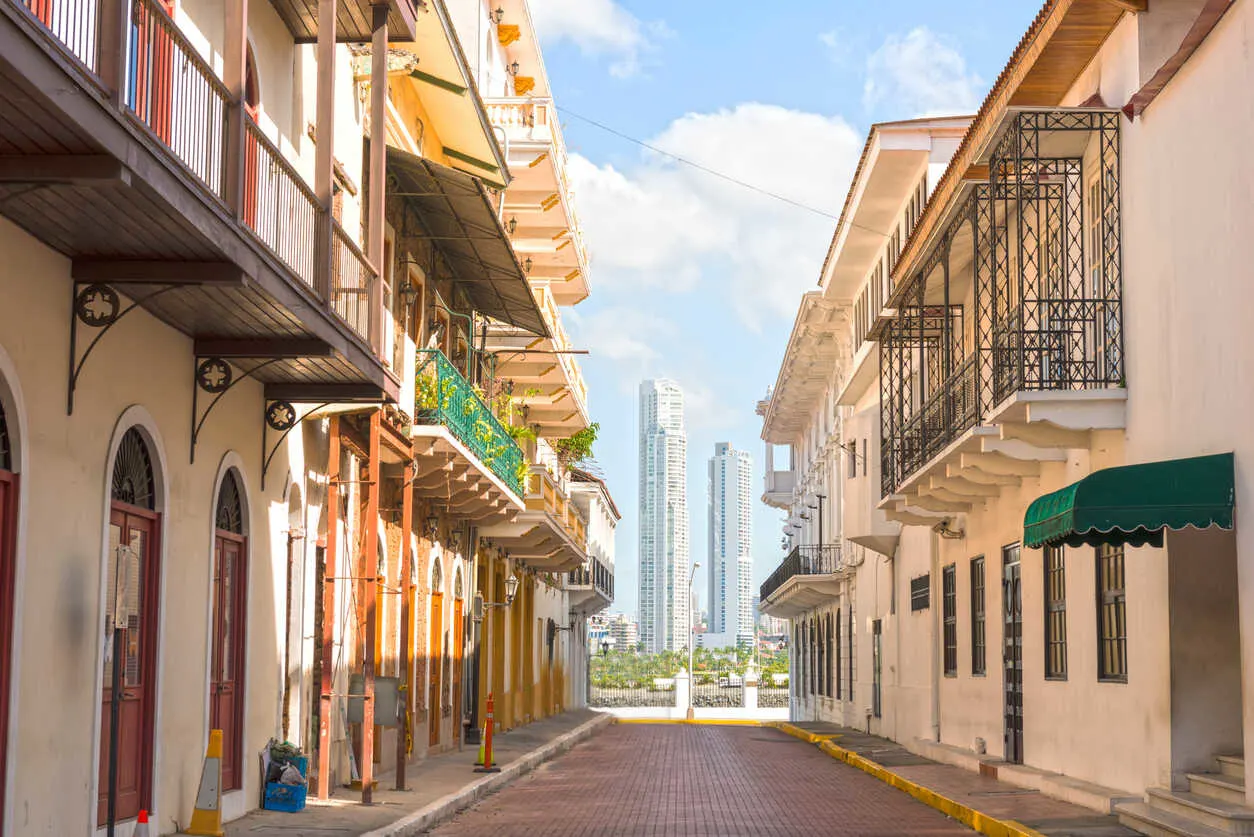
No other country of this caliber offers such quick, easy access to permanent legal status. Panama has a long, illustrious history of welcoming foreigners and a proven track record when it comes to keeping its promises. While other countries have changed their visa terms abruptly, Panama has honored the commitments made to residents under older, more generous laws. No stress—or cero estrés, as we say here.
If you qualify for Panama’s Pensionado Program, you could have your residency in as little as three months. The basic requirement for a single applicant is a verifiable pension of $1,000 a month—or $1,250 for a couple. In some cases, you can qualify with even less. These modest income requirements reflect Panama’s low cost of living.
And if you’re not currently receiving a pension, don’t worry. There are other visa programs available, including the popular Friendly Nations Visa.
Panama’s retiree perks are exceptional. They apply to the country’s own jubilados, as well as any expat on a Pensionado Visa—regardless of age—and any foreign legal resident of retirement age (55 for women, 60 for men). These include substantial discounts on everyday expenses like entertainment, dining, travel, prescriptions, and medical consultations.
As Jim Gault explains, “When my wife, Abbe, and I were looking to retire overseas, Panama’s excellent Pensionado Retirement Program sounded like a great way to stretch my Social Security pension. The perks include substantial discounts on many goods and services we regularly use. The money we save helps us to fund a lifestyle that includes dinners out and weekday getaways.”
For example, they receive 20% off prescription medications, 30% to 50% off hotel stays, and 25% off airline tickets purchased in Panama. On one recent flight, Abbe’s $280 fare dropped to $230. They also paid just $2.75 each for movie tickets.
Why does Panama offer so much? There’s a strong cultural emphasis on keeping retirees active, integrated, and enjoying life. There’s no isolation or retreat to gated communities. Families stay together—and celebrate together. Being able to afford movies, concerts, and dinners out, even in retirement, is seen as essential. Life should be lived well—and Panama helps make that possible.
Full Guide to Visa and Residency in Panama Here.
The World’s Best Retirement Havens for 2026
The World’s Best Retirement Havens for 2026
24 Countries Compared, Contrasted, Ranked, and Rated. You don’t have to be rich to enjoy a pampered retirement, you just need to know where to go. With our 35th Annual Global Retirement Index, our experts hand you a detailed roadmap. Details—and a Special Offer—Here
By submitting your email address, you will receive a free subscription to IL Postcards, The Untourist Daily and special offers from International Living and our affiliates. You can unsubscribe at any time, and we encourage you to read more about our Privacy Policy.
Grab Your Front-Row Seat from Right There at Home
Ultimate Go Overseas Bootcamp-on-Demand
Retire sooner, travel more, spend less—starting now... let our experts help you map out the path to an international life that suits your interests, goals, and budget.