Retiring abroad continues to be an attractive option for those looking to make the most of their money, without compromising on comfort or lifestyle. And with the Annual Global Retirement Index, you have the power to choose a country with a cost of living that suits your budget.
Below, you’ll find the most affordable expat havens we’ve identified, places where your dollars will go further than in the US: Malaysia, Bali, Thailand, Vietnam, and Sri Lanka. These countries offer a winning combination of affordable housing, inexpensive yet excellent healthcare, budget-friendly dining, and accessible transportation.
In the pages ahead, we explore what makes each of these destinations a standout for cost-conscious retirees. From real-world monthly budgets to firsthand accounts of daily life, you’ll find practical insights and detailed breakdowns to help you imagine just how far your money can go in these vibrant, welcoming communities.
The World’s Best Retirement Havens for 2026
The World’s Best Retirement Havens for 2026
24 Countries Compared, Contrasted, Ranked, and Rated. You don’t have to be rich to enjoy a pampered retirement, you just need to know where to go. With our 35th Annual Global Retirement Index, our experts hand you a detailed roadmap. Details—and a Special Offer—Here

By submitting your email address, you will receive a free subscription to IL Postcards, The Untourist Daily and special offers from International Living and our affiliates. You can unsubscribe at any time, and we encourage you to read more about our Privacy Policy.
5. Malaysia
By Keith Hockton
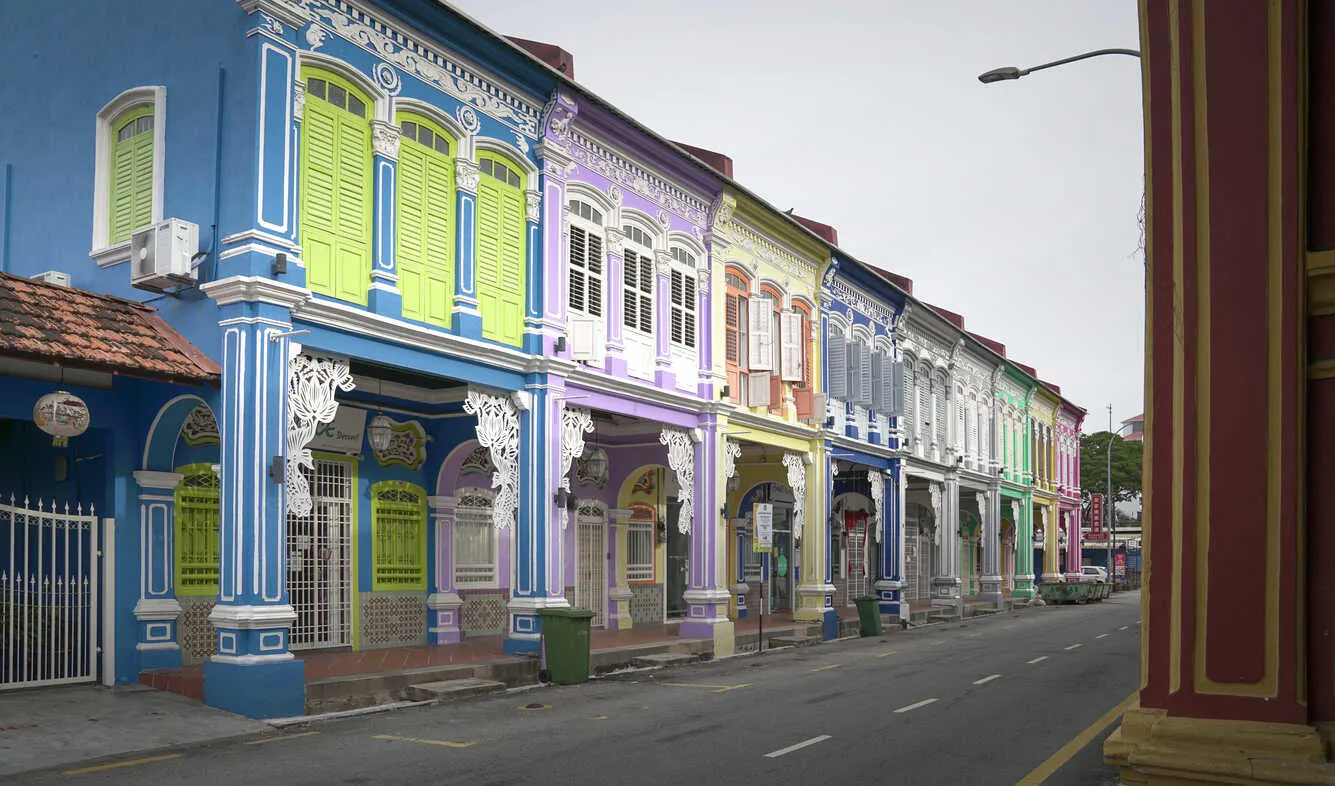
I have been in Penang for years now, living in the leafy beachside suburb of Tanjong Bungah, and honestly, the cost of living is one of the biggest reasons I have stayed. If I had to put a number on it, I would say that around USD 2,500 a month covers me very comfortably. That includes rent for an older penthouse apartment with its own private roof garden, groceries, plenty of meals out, and the occasional treat like a massage or a good bottle of wine.
Rent is where you will see the biggest swings. In Penang you can find a modern two-bedroom apartment with swipe card entry, twenty-four-hour security, a pool, a gym, and usually two parking spots for somewhere between RM1,000 and RM3,500 a month, roughly USD 474 to 870. A friend of mine pays RM1,800, about USD 430, for a lovely old heritage flat in George Town. It looks fantastic on Instagram, but it also comes with dodgy plumbing and electrics that need regular fixing.
Utilities are one of the nice surprises here. My electricity bill is around RM250, about USD 50, and that is with the air conditioning running most nights. Water is so cheap it almost feels like a mistake, around RM15 to 25 a month, basically a couple of dollars. Internet costs RM120, about USD 35, and it is as fast as what I was used to back home.
Groceries are a bit of a mixed bag. Stick with local produce and you are laughing. Fresh fish, chicken, fruit and vegetables are all very affordable. A kilo of mangoes costs around RM8, under two dollars, and papayas are everywhere. But the moment you crave imported goods, the bill climbs quickly. Cheese is the classic example, but recently an Italian couple who moved here from New Zealand have started making very good cheese locally at a fraction of the imported price, so even that is changing.
Eating out is still the best part of life here. A plate of char koay teow at the kopitiam down the road is RM6, just over a dollar, and it will probably be one of the best meals you have all week. Even a nice dinner for two with drinks rarely goes over RM150, about USD 40. Of course if you want fine dining there is plenty of that too, but those prices are back to New York or London levels.
Another saving people often forget is labor. A cleaner costs around RM28 an hour, gardeners and handymen are easy to find, and Grab, our version of Uber, means you do not really need a car. If you do want one, foreign cars are very pricey thanks to import duties, but a local four-door hatch like an Azia is only about USD 9,000 brand new.
Costs have crept up a little recently. Food, especially, is pricier. My morning roti canai went from RM1.20 to RM2. Still dirt cheap, but people notice the increase. Rents, though, have stayed steady, and in some places you even have more choice now with all the new builds that have gone up in the past five years.
The bottom line is that Malaysia is one of those places where you can live cheaply if you follow local habits, or you can burn through money if you chase imported goods and fine dining. Either way, the lifestyle, warm evenings, beaches, and incredible food make your money go a long way.
Full Cost of Living in Malaysia here.
Register NOW and save $200 with our Hotel Credit Discount
Ultimate Go Overseas Bootcamp, Tampa September 5-7, 2026
Come to Tampa and we'll effectively pay for your first night's stay! Join us to sit down with the experts and put your own go-abroad plan in place. Connect with the experts one-on-one, avoid the pitfalls, fast-track your more international life... and upgrade your next decade. Register today, and we'll give you a $200 discount-funds you can put toward your first night's stay!
4. Bali, Indonesia
By Roland Dalton
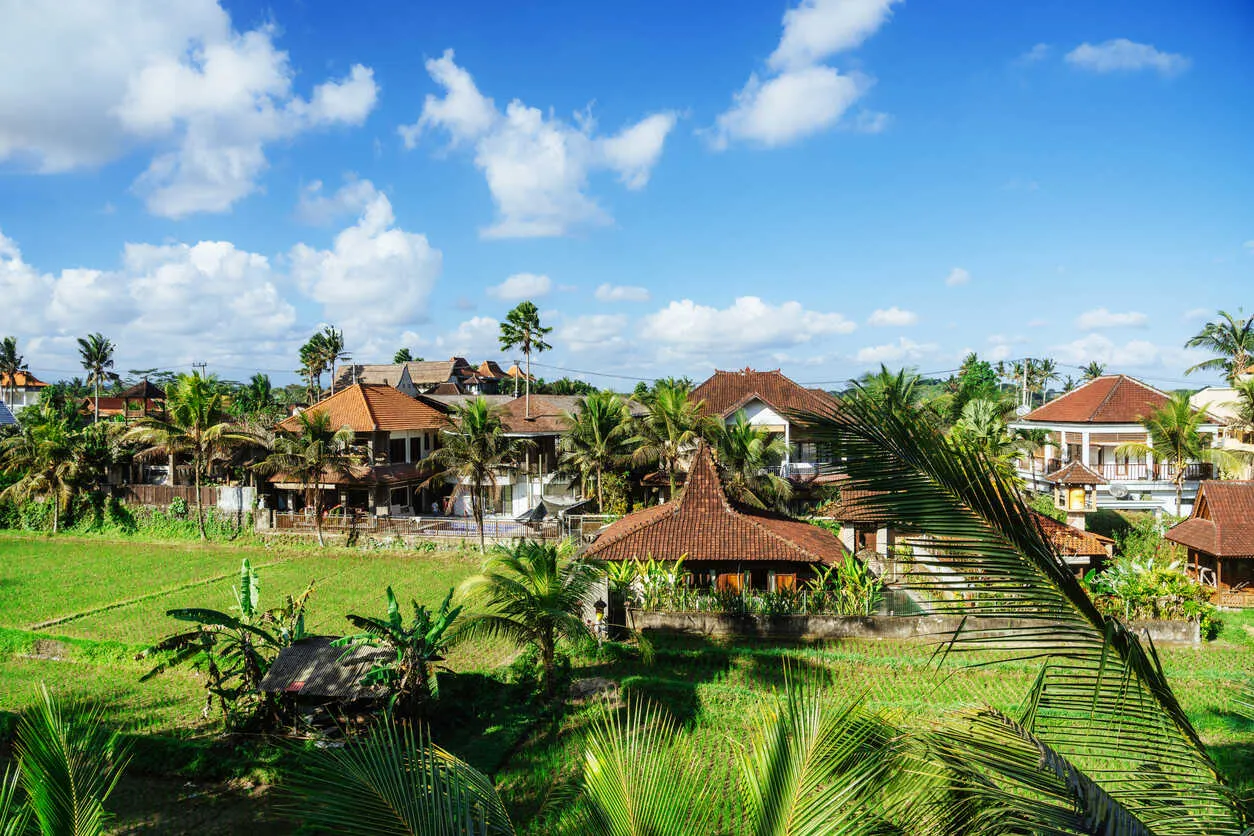
My wife and I live a fun, adventurous, carefree life for $2,500 a month, although you can live a comfortable life on half of that. During our keep-fit months, when we rarely go partying, we can spend as little as $1,400.
We live in a great little villa on a quiet lane in the Seminyak area, three minutes to the beach. The villa is attached to a boutique hotel, providing us with access to the hotel’s swimming pool and other facilities. The rent is $840 a month, which includes all utilities, maid service three times a week, and cable TV.
We eat out for lunch and dinner about five times a week. A quality international restaurant meal with drinks is $20–25 each. A western breakfast on the beach costs around $5 with coffee and fruit juice, while a plate of chicken and rice at a local warung is just $1.50. The quality and variety of international food here is outstanding—Italian, Japanese, French, Mexican, Indian—and always affordable.
Grocery shopping is 20% to 30% cheaper than in the U.S., especially at traditional markets where locals buy eggs, vegetables, fruit, and spices. Locally made products like Balinese coffee, eggs, beer ($1.35 for a large bottle), and wine ($8 for a decent bottle) are great value.
Getting around is easy and cheap. A Grab ride (like Uber) for an hour is under $20. A ten-minute ride on an ojek (motorbike taxi) costs around $3. Monthly scooter rental is about $80.
Utilities, Wi-Fi, drinking water, and gas total about $93 per month. Gym memberships run around $25. You can hire a surfboard for $5 a day, and a good massage or haircut is under $10. My wife gets expert haircuts and color for under $100.
Medical treatment is superb. Doctors are often trained in Australia, the U.K., or New Zealand. A general appointment is $20, and a dental filling costs $30, with no wait times.
Prices can rise 100% in tourist-heavy seasons (July, August, December), especially in the south. But many expats avoid this by heading inland or to the west coast, where rents can be as low as $400 per month.
Setting up home is easy and affordable. We bought a quality bed for $380 and a comfy sofa for $285. Furniture and home goods are artistic, well-made, and often half the price of those in North America.
Bali’s charm isn’t just in its affordability—it’s in the lifestyle: beach mornings, fresh food, friendly locals, and endless opportunities to enjoy life for less.
Full Cost of Living in Bali here.
3. Thailand
By Bart Walters
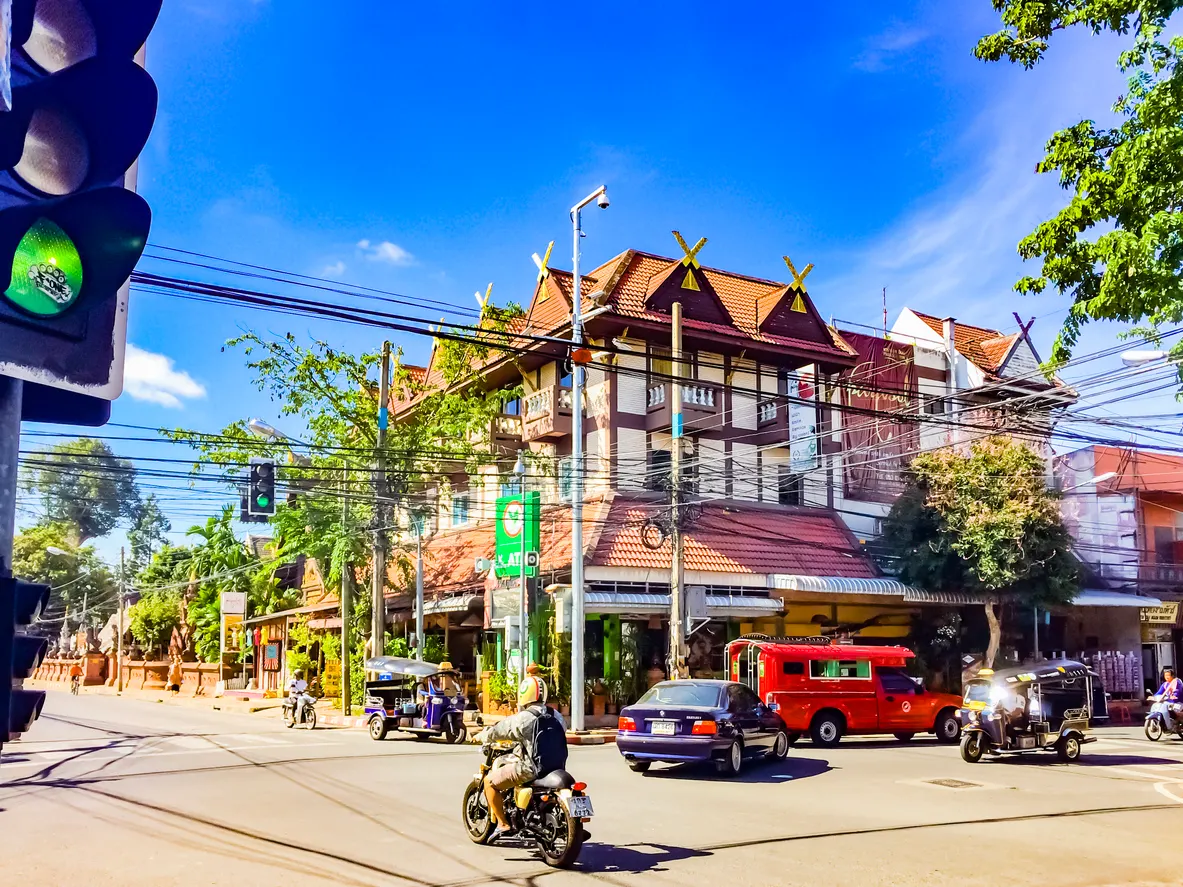
I live just outside Pattaya, in Jomtien Beach—about two hours from Bangkok—and enjoy a comfortable, relaxed lifestyle for around $2,000 a month. That covers everything: housing, utilities, food, entertainment, and healthcare. Even after more than a decade here, my expenses haven’t changed much.
Rent is one of the best deals in Thailand. A one-bedroom, fully furnished condo with a pool, gym, and 24-hour security goes for under $600 a month. A two-bedroom is around $750, and you can find spacious family homes with a private pool for under $1,000. If I were renting instead of owning, I’d still be well within budget.
Where you choose to live makes a big difference. Bangkok runs about 15–20% higher across the board. In contrast, Chiang Mai offers northern charm for closer to $1,700 a month. Island destinations like Phuket or Koh Samui hit around $2,500. If you’re more adventurous, you can live comfortably for under $2,000 in places like Chiang Rai, Hat Yai, Udon Thani, or on smaller islands like Koh Phangan and Koh Chang. Coastal towns like Hua Hin and Rayong offer the best of both worlds—good value and a high quality of life.
Food is where Thailand truly shines. Whether I’m cooking at home or eating out, it’s affordable and always fresh. At open-air markets, $10 buys a massive haul—papayas the size of footballs, Thai avocados bigger than softballs, and fresh seafood. My monthly grocery bill stays under $300.
Eating out is just as reasonable. A full roast chicken with two sides of som tam (spicy papaya salad) feeds three for $8. A pizza and a couple of beers for two? Less than $10. Even a full English breakfast is only $5. The only thing that’ll hit your wallet? Alcohol. Imported beer, wine, and spirits carry heavy tariffs.
Transportation is easy and inexpensive. I haven’t owned a car since 2016. In cities, I use Grab or Bolt ride-hailing apps and spend less than $100 a month. In smaller towns or on the islands, a motorbike might make more sense. You can buy one for $1,000 to $5,000 or rent daily for around $5 to $9. Cars are affordable, especially local models, and public transport is cheap.
Healthcare is another area where Thailand stands out. Whether it’s dental work or major surgery, the quality is excellent, and the cost is about a third of what you’d pay in the U.S. Insurance premiums are reasonable, and there are plenty of international options.
Other services—like massages, haircuts, manicures, and household help—are inexpensive and widely available. My monthly costs for personal and domestic services are a fraction of what they were back in Orlando, Florida.
In short, I live twice as well here for half the cost. That’s the beauty of Thailand.
Full Cost of Living in Thailand here.
The World’s Best Retirement Havens for 2026
The World’s Best Retirement Havens for 2026
24 Countries Compared, Contrasted, Ranked, and Rated. You don’t have to be rich to enjoy a pampered retirement, you just need to know where to go. With our 35th Annual Global Retirement Index, our experts hand you a detailed roadmap. Details—and a Special Offer—Here
By submitting your email address, you will receive a free subscription to IL Postcards, The Untourist Daily and special offers from International Living and our affiliates. You can unsubscribe at any time, and we encourage you to read more about our Privacy Policy.
2. Vietnam
By Wendy Justice
Hanoi is a bustling city filled with historic neighborhoods, peaceful lakes, and leafy parks—and it’s also incredibly affordable. I live here on my Social Security income of $1,800 per month, and not only do I live comfortably, but I also save money every month. The low cost of living wasn’t the main reason I moved to Vietnam, but it’s been one of the biggest bonuses.
I rent a beautifully furnished one-bedroom apartment in the Old Quarter for $494 per month. It’s in a secure building and includes weekly housekeeping, all utilities except electricity, and is within walking distance to almost everything. When I do need a taxi, for instance, to get to my favorite supermarket about 45 minutes away, it only costs a dollar or two.
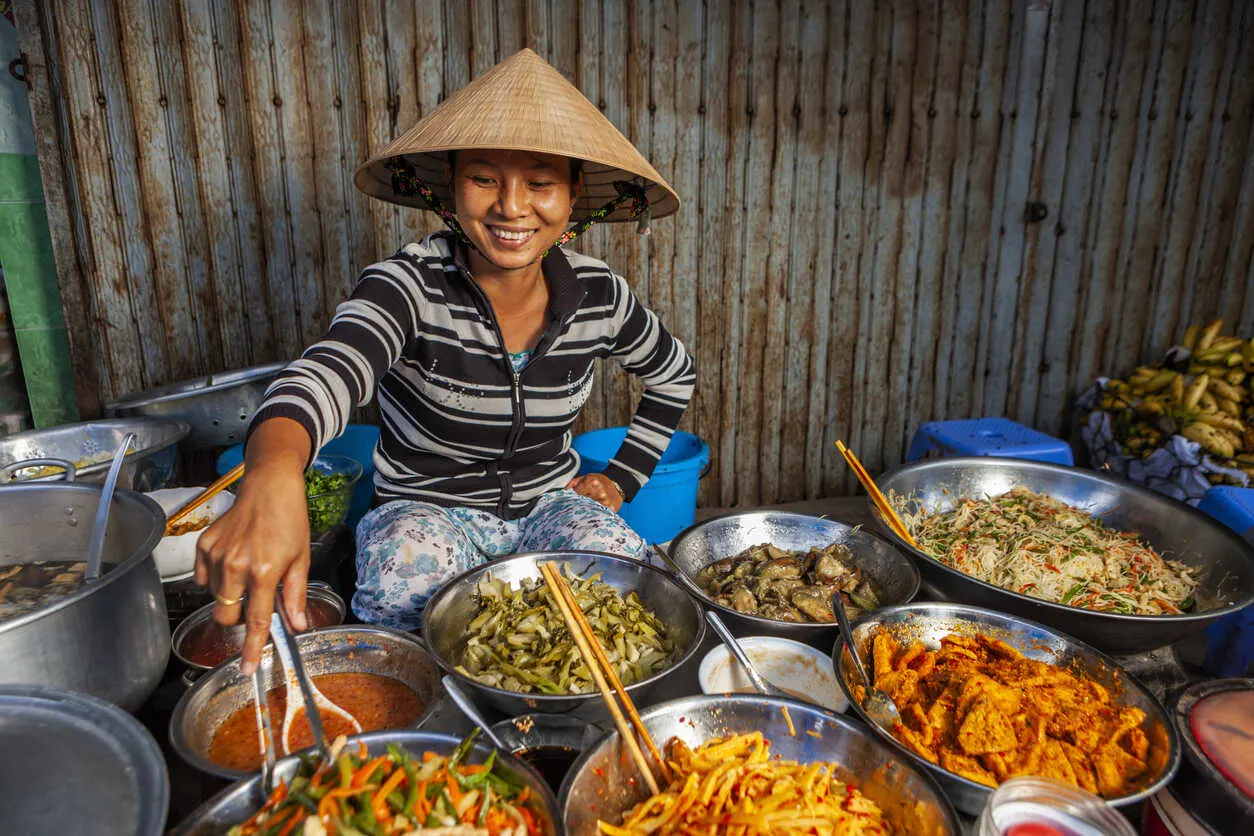
I’ve never learned to cook, so I eat every meal out or have food delivered. Street food is fresh, delicious, and cheap, about $3 for a filling bowl of soup or a full plate with meat, vegetables, and rice or noodles. At a nice mid-range restaurant, dinner and a drink runs about $6. Occasionally, I splurge on a fancy meal out, which costs around $35 per person, still far below what I’d pay in the U.S. My food budget, eating out for nearly every meal, averages just $250 per month.
Healthcare here is high-quality and shockingly affordable. I recently paid $225 for a full lab workup, x-rays, ultrasound, MRI, and a consultation with an English-speaking internist. A dental checkup and cleaning is $7. An eye exam by an ophthalmologist costs $25. Medications made locally cost a fraction of the price compared to imports, and I’ve found the quality to be excellent.
All in, I spend about $1,000 a month, including massages, pedicures, haircuts, transportation, and occasional weekend getaways. In other cities like Nha Trang, Quy Nhon, or Hoi An, you could live this lifestyle for even less—10% to 20% cheaper.
The Vietnamese currency is loosely pegged to the U.S. dollar, and with low inflation, my cost of living has actually gone down over time. The only noticeable price hikes are for imported goods. Local goods and services remain reliably affordable.
Even daily life offers small delights. A glass of draft beer at a bia hơi costs 75 cents, and a full dinner for two, beer included, is usually under $10. At my local market, where I’m a familiar face, prices are fair and often astonishingly low. I once asked for a dozen roses and got 15 for just $2.27—“bonus for you,” the vendor said.
The only major variable expense? My visa runs. Vietnam currently requires me to leave the country every 90 days, so I plan a short trip. Recently, a five-day holiday in Cambodia cost me a total of $350, including airfare, hotels, and visas. Sometimes I take longer breaks to places like Japan or even Europe. It’s an added expense, sure, but also a great excuse to travel.
Vietnam gives me a vibrant city life, a tight-knit expat community, and a level of comfort I couldn’t afford back home. It’s easy living, on every level.
Full Cost of Living in Vietnam here.
1. Sri Lanka
By Roland Dalton
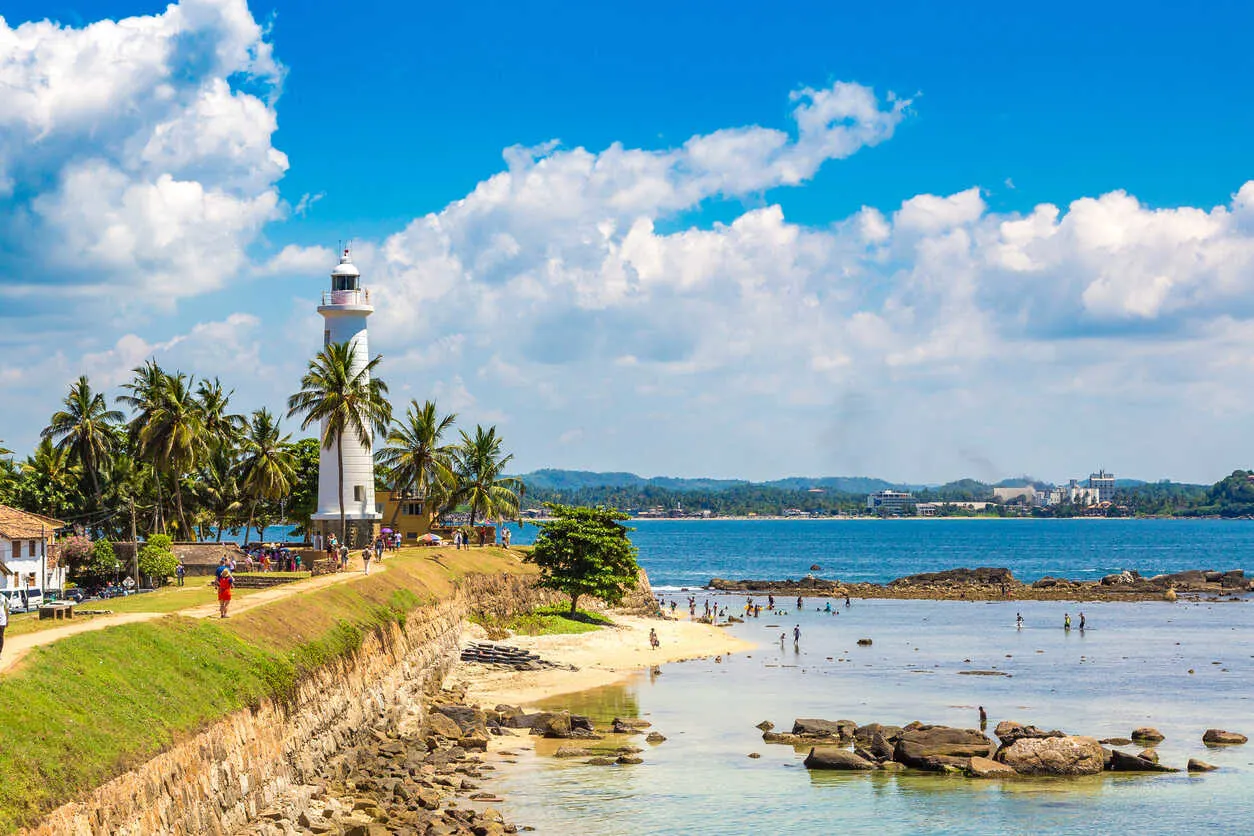
Sri Lanka is the cheapest place I know of in Asia, and also one of the most beautiful. My wife and I have lived extravagantly well here on $2,200 a month. That includes a villa by the beach, traveling across the island, dining out most of the time, traditional massages, attending sports events, spa treatments for my wife, and socializing with friends. Others do it for less: I have friends who live a wonderful lifestyle for only $1,000 a month, including rent, meals out, and sightseeing, especially if they use public transport and bargain wisely.
Our villa costs $385 a month, with a tropical garden and a plunge pool. Utilities are never over $50. A friend in Kandy pays $2,800 a month, which includes rent for an old colonial three-bedroom house and the salaries of a full-time maid who also cooks and provides care, a full-time driver, and a part-time gardener.
Eating out is outrageously affordable. A three-course meal with drinks at an international restaurant is about $50 for two, while local dishes cost as little as $2 per person. We regularly splurge on Sunday brunch at a five-star hotel in Colombo: free-flowing beer and champagne, with lobster, crab, oysters, and Australian steak for $40 per person. One of our favorite beachside seafood feasts—lobster, crab, prawns, fish, and oysters for two—costs just $35.
Groceries from modern supermarkets are on par with U.S. prices, but local markets are where you save. A kilo of bananas is $0.50, a fresh fish for two $3.50, and a pineapple is just $0.20. The trick is to shop like a local—make friends at the markets, go with them, and always negotiate prices. It adds up over time.
Transportation is another cost-saver. A four-hour taxi ride is $70, while a two-hour train journey costs only $1.00. A three-mile tuk-tuk ride is about $2, just be sure to agree on the fare first and offer half the initial price quoted. Domestic flights and car rentals are cheap, though fuel costs 20% more than in the U.S.
Everyday comforts are inexpensive too: a massage is under $10 an hour, a haircut is $2, and a relaxing wet shave at a traditional barber is $1.50. Spa treatments and beauty services are widely available and affordable. And if you’re into outdoor sports, learning surfing, kitesurfing, or spearfishing costs under $10 an hour.
Healthcare in Colombo’s private hospitals is solid, with modern facilities. Medical care outside the capital is more basic but serviceable. A big bonus: Sri Lanka has one of the easiest and cheapest retirement visa requirements in Asia.
With 13 UNESCO heritage sites, pristine beaches, vibrant culture, and low prices, Sri Lanka is a place where you can live richly without spending a fortune.
The World’s Best Retirement Havens for 2026
The World’s Best Retirement Havens for 2026
24 Countries Compared, Contrasted, Ranked, and Rated. You don’t have to be rich to enjoy a pampered retirement, you just need to know where to go. With our 35th Annual Global Retirement Index, our experts hand you a detailed roadmap. Details—and a Special Offer—Here
By submitting your email address, you will receive a free subscription to IL Postcards, The Untourist Daily and special offers from International Living and our affiliates. You can unsubscribe at any time, and we encourage you to read more about our Privacy Policy.
Register NOW and save $200 with our Hotel Credit Discount
Ultimate Go Overseas Bootcamp, Tampa September 5-7, 2026
Come to Tampa and we'll effectively pay for your first night's stay! Join us to sit down with the experts and put your own go-abroad plan in place. Connect with the experts one-on-one, avoid the pitfalls, fast-track your more international life... and upgrade your next decade. Register today, and we'll give you a $200 discount-funds you can put toward your first night's stay!